

The rise of AI in creative design
Remember when Photoshop was the most magical thing in a designer’s toolkit? Fast forward to 2025, and artificial intelligence has turned design into something that feels a lot like science fiction. AI-powered design apps can now generate full layouts, edit images in seconds, and even write your creative briefs for you.
From Adobe Firefly to AI art generation tools, the design world is changing faster than ever. But there’s a big question hanging in the air – can machines actually replace the spark of human creativity? Or are they just new assistants helping designers work smarter, not disappear altogether?
In this guide, we’ll explore how AI graphic design software, AI content creation tools, and design automation software are transforming the creative process in 2025 – and where human creativity still has the upper hand.
AI design tools taking over 2025
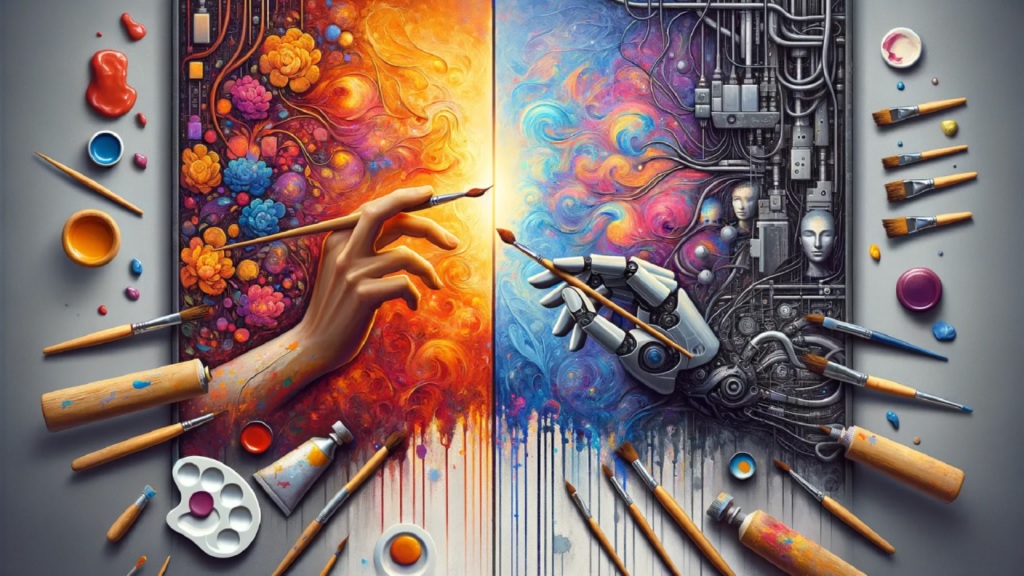
The design world has officially entered its AI era. In 2025, creativity isn’t just about having a great idea – it’s about how fast you can bring that idea to life. That’s where modern AI graphic design software comes in, automating tedious tasks and freeing designers to focus on big-picture thinking.
1. Adobe Firefly and the evolution of intelligent design
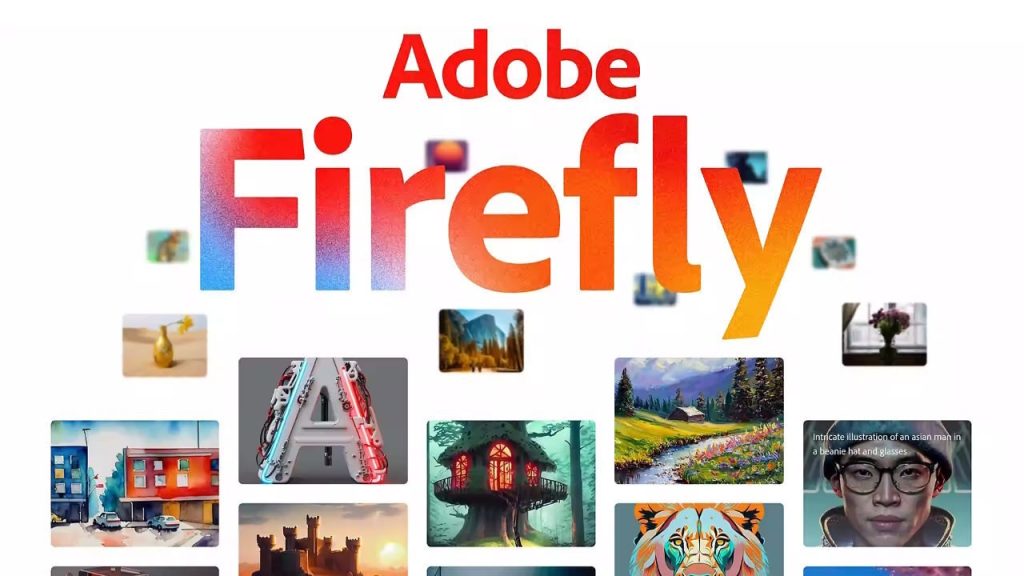
Adobe Firefly has become the crown jewel of AI-driven creativity. Once a humble experiment, it’s now deeply woven into Photoshop, Illustrator, and Express. Designers can simply type “create a retro poster with neon typography,” and Firefly instantly generates professional-quality results.
Its AI image editing software can remove objects, adjust lighting, or change color palettes in seconds – no more pixel-perfect struggles. It’s like having an assistant who never complains about deadlines or bad coffee.
2. Beyond Adobe: the growing ecosystem of AI design tools
While Adobe dominates the conversation, several other tools are shaking up the market. Platforms like Canva Magic Studio, Fotor AI, and Designify are empowering non-designers to create visuals that would once take a professional hours. Meanwhile, apps like Runway ML and Midjourney are redefining AI art generation tools, producing hyper-realistic visuals that blur the line between art and algorithm.
And let’s not forget Figma’s AI assistants and Notion’s design plugins – these are fast becoming staples in every creative’s toolkit, offering smart suggestions and layout automation that make design smoother than ever.
3. AI for content creation and design synergy
The beauty of modern AI content creation tools lies in their collaboration with design. Imagine generating a complete brand identity – logo, color palette, social captions, and promotional visuals – all in a single workflow. Tools like Jasper Art, Visme AI, and Looka now make that possible.
It’s a seamless marriage of creativity and computation, where inspiration meets automation.
How AI is changing the designer’s workflow
AI hasn’t just introduced new tools; it’s rewritten the entire playbook for how design gets done. What used to take days of pixel pushing and endless revisions now takes minutes – sometimes seconds – thanks to automation and intelligent algorithms. But that doesn’t mean designers are becoming obsolete. Instead, their roles are evolving.
1. From manual to magical: automated creativity
Gone are the days of endlessly nudging alignment boxes or manually masking images. With AI image editing software like Firefly, Runway ML, and Luminar Neo, designers can now remove backgrounds, tweak color tones, or upscale visuals with a single click.
Even brainstorming has gone digital. AI design tools can now generate dozens of layout options from a short prompt, helping designers explore directions they might never have thought of. It’s like having an infinite mood board on demand.
2. The human touch in a digital world
Despite these mind-blowing capabilities, designers still play a critical role. AI can mimic style and aesthetics, but it doesn’t truly understand emotion, culture, or context. Humans bring empathy and storytelling – things algorithms can’t compute.
As one designer jokingly put it, “AI can draw a smile, but it doesn’t know why it’s smiling.” The best creatives are learning to use these tools as partners, not replacements – leveraging AI’s speed while keeping their own unique voice at the center.
3. Efficiency and experimentation unlocked
The real magic lies in efficiency. Design automation software handles repetitive tasks – resizing, formatting, or adapting layouts for multiple platforms. That means designers can focus on more strategic, conceptual work.
Plus, AI’s ability to instantly visualize multiple ideas encourages more experimentation. Designers can test wild ideas without the fear of wasting time or budget. In other words, AI isn’t killing creativity – it’s supercharging it.
The benefits and challenges of AI design tools
Every creative revolution comes with a price tag – and AI-powered design is no exception. While these tools are undeniably powerful, they also raise tough questions about originality, ethics, and job security. Let’s unpack both the bright and shadowy sides of this transformation.
1. The big wins: why designers love AI
The list of benefits reads like a dream come true for creatives:
- Speed and efficiency: AI graphic design software can now handle repetitive tasks like resizing assets or cleaning up images instantly.
- Cost savings: Startups and small businesses can achieve professional results without hiring a full design team.
- Accessibility: Tools like Canva’s AI Magic Studio and Adobe Express make design approachable for everyone – even those who’ve never touched Photoshop.
- Inspiration on demand: When creative block strikes, AI art generation tools like Midjourney or DALL·E 3 can spark new ideas in seconds.
AI is essentially the caffeine shot that keeps creativity buzzing – fast, energetic, and full of new possibilities.
2. The not-so-glamorous side
But it’s not all perfect pixels and instant layouts. Designers are facing some major concerns:
- Loss of originality: Many AI tools train on vast databases of existing artwork, raising ethical concerns about plagiarism and ownership.
- Creative over-reliance: Some fear that too much automation might make design feel soulless or cookie-cutter.
- Job displacement worries: As AI graphic design software becomes more capable, companies may lean on machines instead of human experts for simpler projects.
- Data and copyright issues: Who really owns an AI-generated logo or campaign? The designer, the client, or the algorithm? The debate continues.
These concerns have sparked passionate discussions across the design community. AI may be efficient, but it still struggles to replicate the nuance of human storytelling, emotion, and originality.
3. The middle ground: collaboration, not competition
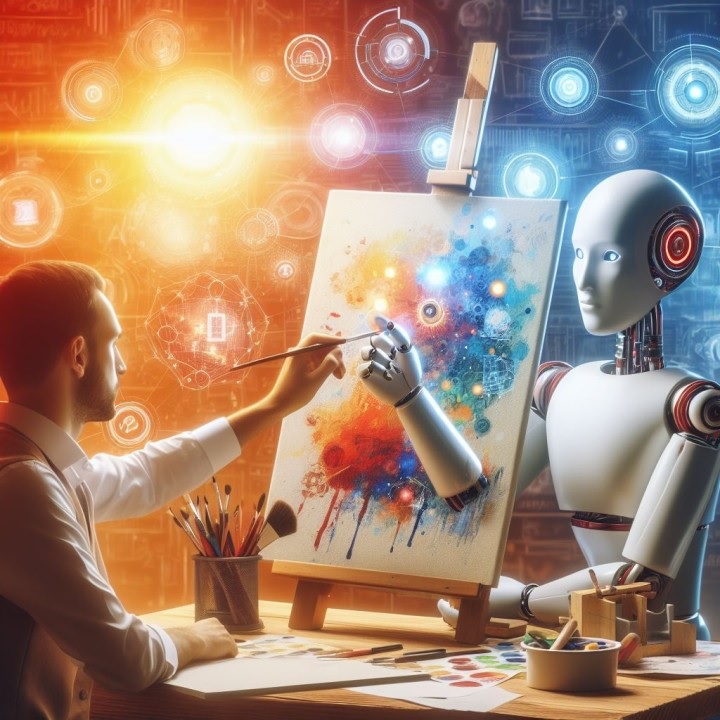
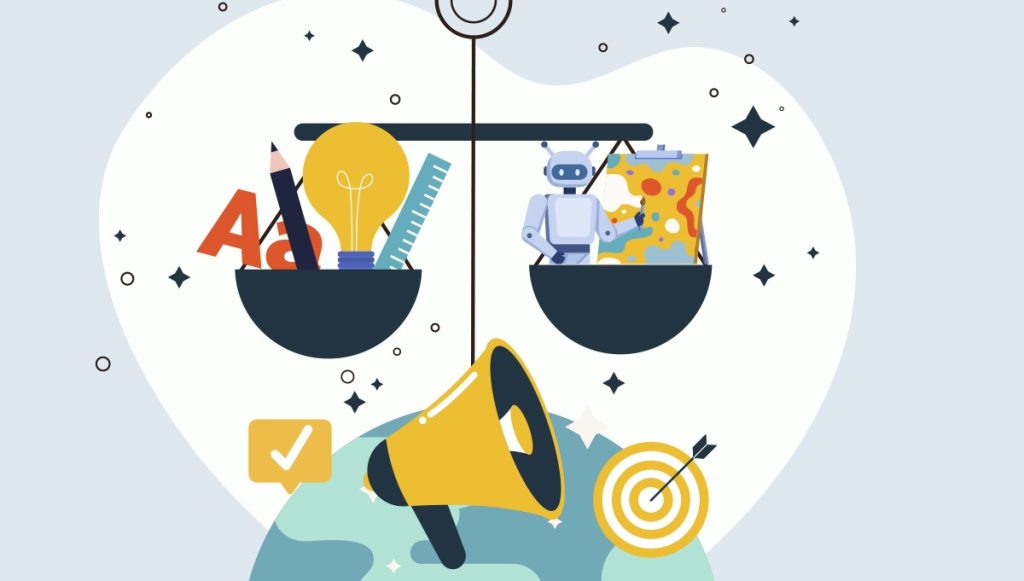
Most experts agree that the future of design lies not in replacement but collaboration. Artificial intelligence design tools can handle the heavy lifting, while designers focus on strategy, emotion, and creativity.
It’s like having a tireless creative partner who can work at lightning speed – but still needs a human director to tell it what to make and why.
Can AI really replace graphic designers?
It’s the million-dollar question – and in 2025, the answer isn’t as simple as yes or no. AI can create, but it doesn’t truly design. It can imitate styles, but it doesn’t understand purpose or emotion. That distinction is what keeps human designers essential.
1. What AI can already do – and impressively so
Let’s give credit where it’s due. Modern AI design tools can:
- Generate logos, posters, and marketing materials in seconds.
- Edit and enhance images faster than any human.
- Suggest color palettes, fonts, and layouts that align with brand guidelines.
- Even produce animations or product mockups using just text prompts.
These capabilities are astonishing. Tools like Adobe Firefly, Runway ML, and Jasper Art can turn a vague concept into a polished visual faster than a cup of coffee can cool down.
But here’s the catch – while AI can mimic style, it doesn’t truly understand design thinking. It can’t comprehend a brand’s values, read between the emotional lines, or craft experiences that connect with human stories.
2. What only humans can bring to the table
Graphic design isn’t just about visuals – it’s about meaning. Humans bring emotion, empathy, humor, and intuition into their creations. They can take messy client briefs and turn them into coherent, engaging experiences that make people feel something.
That “feel something” part is where AI struggles. Machines can produce perfect symmetry and color harmony, but they can’t design a campaign that makes someone laugh, cry, or fall in love with a brand.
3. The rise of the hybrid designer
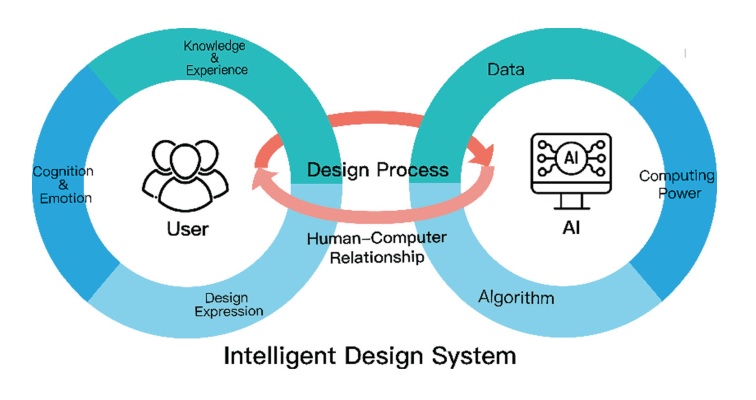
Rather than being replaced, designers are evolving into hybrid creators – part artist, part technologist. These professionals use best AI tools for designers as co-pilots, combining intuition with automation.
They know when to let AI handle the grunt work – and when to step in with human insight. The future belongs to designers who understand how to collaborate with AI rather than compete against it.
In other words, AI isn’t here to take your job; it’s here to make your job easier – if you know how to use it well.
The future of AI-powered creativity: what’s next?
If 2025 is the year AI-powered design went mainstream, the future looks even bolder. The next wave of AI graphic design software will go beyond simply automating design tasks – it will understand them.
1. Smarter tools that understand context
Imagine an AI design tool that knows the difference between a playful children’s brand and a luxury watch campaign – and adjusts its design style automatically. That’s where tools like Adobe Firefly, Canva Magic Design, and Runway Gen-3 are heading: toward contextual awareness.
Soon, AI won’t just generate visuals; it’ll understand tone, mood, and even audience psychology. The line between “prompt” and “brief” will blur completely.
2. AI and emotion-driven design
Developers are already experimenting with artificial intelligence design tools that analyze emotional cues. These systems learn what colors, fonts, and shapes trigger specific human responses – joy, trust, excitement, nostalgia – and use that data to create designs that feel human.
This emotion-driven approach might be the missing link that finally allows AI to not just make beautiful things, but meaningful ones.
3. The role of designers in an AI-first world
Designers of the future won’t be replaced – they’ll be redefined. The most successful creatives will be part designer, part data scientist, and part storyteller. They’ll master AI content creation tools and best AI tools for creatives, learning how to blend art and analytics to produce designs that connect on both emotional and strategic levels.
In this AI-first world, creative direction becomes even more valuable. Humans will steer the ship, while AI handles the sails – fast, efficient, and always ready to adapt.
4. The ethical frontier
With AI taking a central role, questions around copyright, data usage, and authenticity will intensify. Who owns AI-generated artwork? Can a design made by an algorithm win an award meant for human creativity?
The next few years will be crucial in setting these standards. The design community, software developers, and legal experts will need to collaborate to ensure AI enhances creativity without erasing its human essence.
Conclusion: a new era of creative collaboration
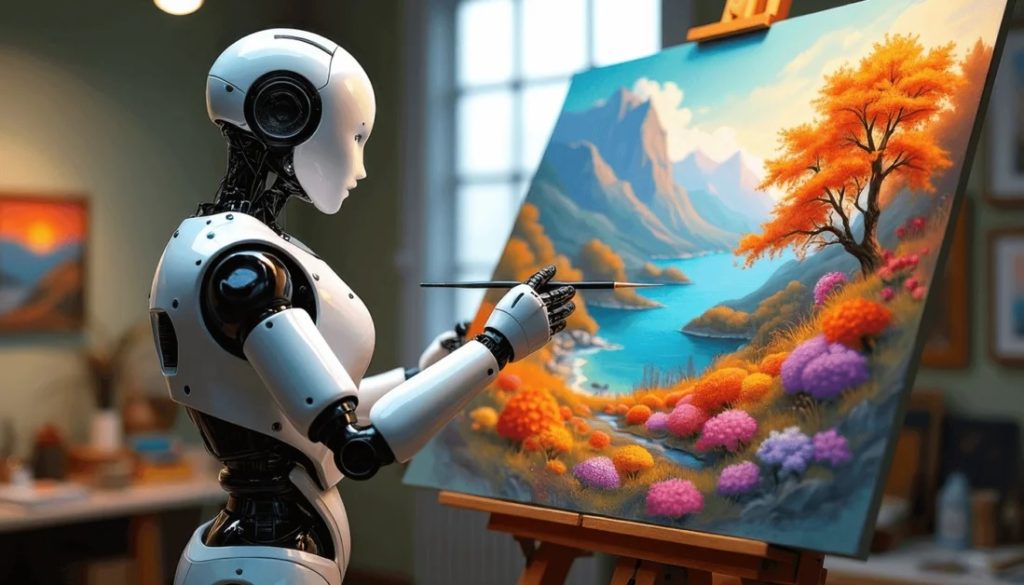
AI-powered design isn’t here to steal jobs – it’s here to rewrite what creativity looks like. The tools of 2025, from Adobe Firefly to Midjourney and Runway ML, have turned imagination into something almost instant. But even as algorithms learn to paint, draw, and edit, they still depend on one irreplaceable ingredient – human insight.
Designers who embrace AI as a creative ally, not a threat, are discovering new ways to push boundaries. They’re faster, more experimental, and infinitely more efficient. The future isn’t man versus machine – it’s man with machine.
In short, AI may handle the pixels, but humans still provide the purpose. And in the world of design, that’s what truly makes art – art.
FAQs about AI-powered design apps in 2025
1. What are the best AI tools for designers in 2025?
Some of the top-performing tools this year include Adobe Firefly, Canva Magic Studio, Runway ML, Fotor AI, and Jasper Art. These platforms combine automation, art generation, and smart editing features that streamline the creative process for both beginners and professionals.
2. Can AI design tools really replace human graphic designers?
Not entirely. While AI graphic design software can handle repetitive or technical tasks – like resizing assets or generating layout variations – it lacks the emotional intelligence and storytelling ability that define human creativity. The future of design lies in collaboration between AI systems and human designers.
3. What is the best AI graphic design software for beginners?
For newcomers, Canva’s Magic Studio and Adobe Express with Firefly integration are the most accessible. They provide pre-built templates, smart editing, and guided creation tools that make it easy to produce stunning designs without deep technical knowledge.
4. How do AI art generation tools work?
AI art generation tools use deep learning models trained on vast image datasets to understand artistic styles, shapes, and patterns. When you input a text prompt, the AI interprets your request and generates an image that matches your description – often in seconds.
5. Are AI design tools ethical to use?
It depends on how they’re used. The main ethical challenges include copyright ownership, data transparency, and fair use of training materials. Many companies, including Adobe and OpenAI, are actively developing clearer frameworks to ensure responsible and ethical AI design practices.
6. What’s next for AI in creative design?
The next phase will focus on emotional intelligence, personalization, and real-time collaboration. Expect AI design tools that understand brand tone, audience behavior, and even mood – producing content that feels genuinely human while maintaining efficiency and precision.
