

Why tech trends 2026 will matter more than ever
Technology used to knock politely before entering your life. These days, it kicks the door open, rearranges the furniture, and asks if you’re “aligned with the roadmap.”
That’s exactly why tech trends 2026 feel different. This isn’t about shiny experiments or beta features anymore. These technologies are growing up, moving into production, and quietly becoming non-negotiable. If a system isn’t intelligent, automated, or real-time by 2026, it’s probably getting side-eyed in the boardroom.
For businesses, technology is no longer just a support function. It’s the engine. AI decides faster than humans. Systems react in milliseconds. Digital experiences are expected to feel smooth, personal, and just a little bit magical. When they don’t, users notice immediately and they don’t hesitate to leave.
Future technology trends are also colliding with each other. AI feeds on data from connected devices. Immersive experiences depend on real-time computing. Everything is connected, talking, learning, and occasionally judging your outdated setup.
This article breaks down the technology trends 2026 will be dominated by, minus the hype and plus a healthy dose of reality. No crystal balls, just practical insight into what’s actually changing and why it matters.

AI automation trends move from assistance to autonomy
AI started out like that super-enthusiastic intern. Always helpful, surprisingly fast, but still checking in every five minutes to ask if it was “doing this right.” By 2026, that intern has been promoted, given a company badge, and trusted to run entire workflows without supervision.
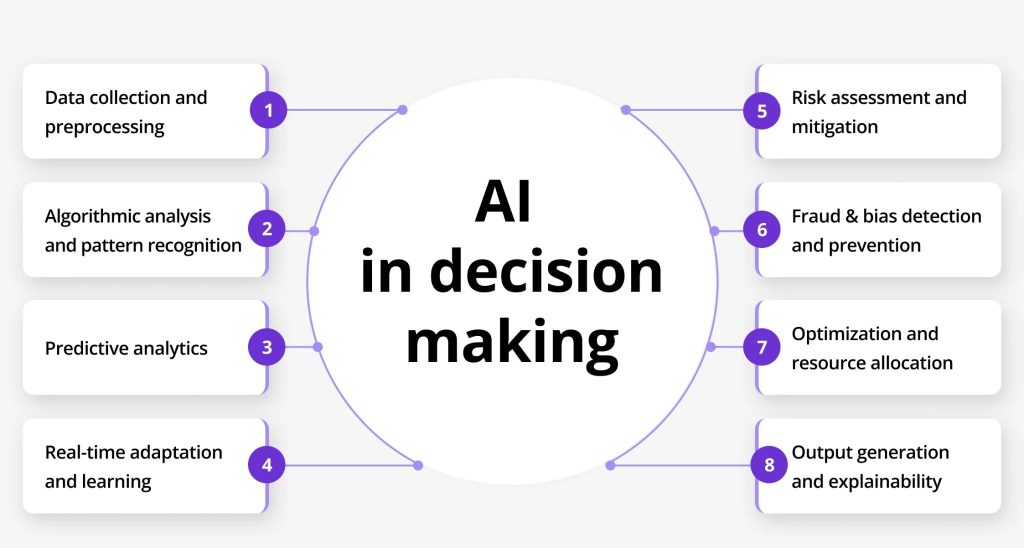
That’s the real evolution behind AI automation trends. Automation is no longer about following a strict set of rules. It’s about understanding goals, weighing options, and choosing the best outcome. In other words, AI stops asking what to do and starts deciding what should happen.
For businesses, this is a huge shift. Instead of automating small tasks, AI will oversee complete processes from start to finish. A supply chain delay won’t trigger a panic meeting. The system will reroute shipments, update forecasts, adjust pricing, and notify teams automatically. Humans step in only when judgment or creativity is needed, not to babysit software.
Customer-facing systems become eerily good at their jobs. Support platforms resolve issues before customers complain. Subscription services spot churn coming like a weather forecast and adjust offers accordingly. AI doesn’t just react, it anticipates, which feels less like automation and more like mind reading.
What makes this possible is continuous learning. These systems improve through real-world feedback, getting sharper with every decision. They don’t burn out, they don’t forget, and they don’t need a motivational speech on Monday mornings.
By 2026, AI automation trends won’t be measured by how many tasks they replace. They’ll be judged by how quietly and efficiently they keep everything running in the background, like the world’s best operations manager who never asks for a raise.
Generative AI trends 2026 reshape creativity and productivity
Generative AI began life as a clever party trick. It wrote decent emails, created surprisingly good images, and occasionally produced something so strange you had to admire the confidence. By 2026, those novelty days are long gone.
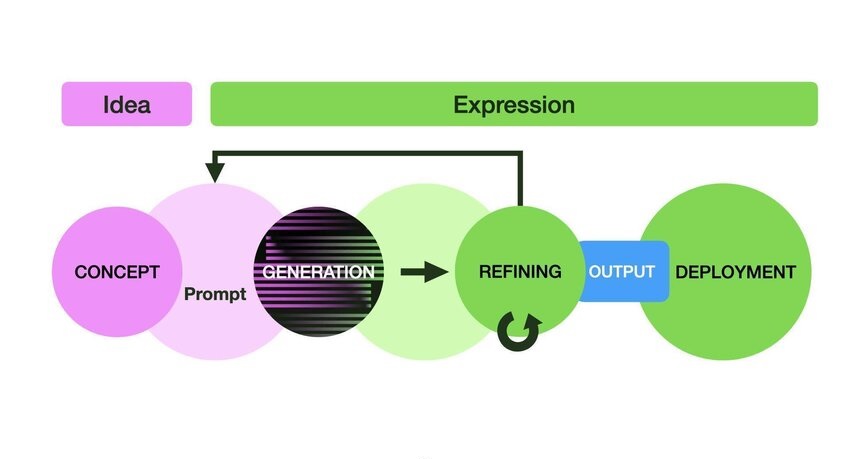
Generative AI trends 2026 are all about scale and speed. These systems won’t just generate content, they’ll generate entire workflows. Marketing campaigns, product concepts, software frameworks, and immersive experiences will be created, tested, and refined in a fraction of the time it takes today.
Instead of starting with a blank page, teams will start with options. Lots of them. AI will produce multiple variations instantly, allowing humans to focus on taste, direction, and strategy rather than execution. Creativity doesn’t disappear, it gets supercharged.
Productivity follows the same pattern. Developers will use generative tools to scaffold code, catch bugs early, and suggest optimizations. Designers will iterate faster than ever. Even non-technical teams will prototype ideas that once required specialized skills and long approval chains.
The biggest shift is personalization. Generative systems in 2026 will tailor content, interfaces, and experiences to individual users in real time. The internet stops feeling generic and starts feeling like it actually knows you, which is both impressive and slightly unsettling.
By the time we reach 2026, generative AI trends won’t be about replacing human creativity. They’ll be about removing friction so ideas can move from imagination to execution at machine speed.
AI trends 2026 focus on trust, regulation, and transparency
As AI gets smarter, the uncomfortable questions get louder. Who’s responsible when an algorithm makes a bad call? Why did the system choose that outcome? And can anyone actually explain it without waving their hands dramatically?
AI trends 2026 are shaped just as much by these questions as by technical breakthroughs. Power without trust doesn’t scale, and by 2026, trust becomes non-negotiable.
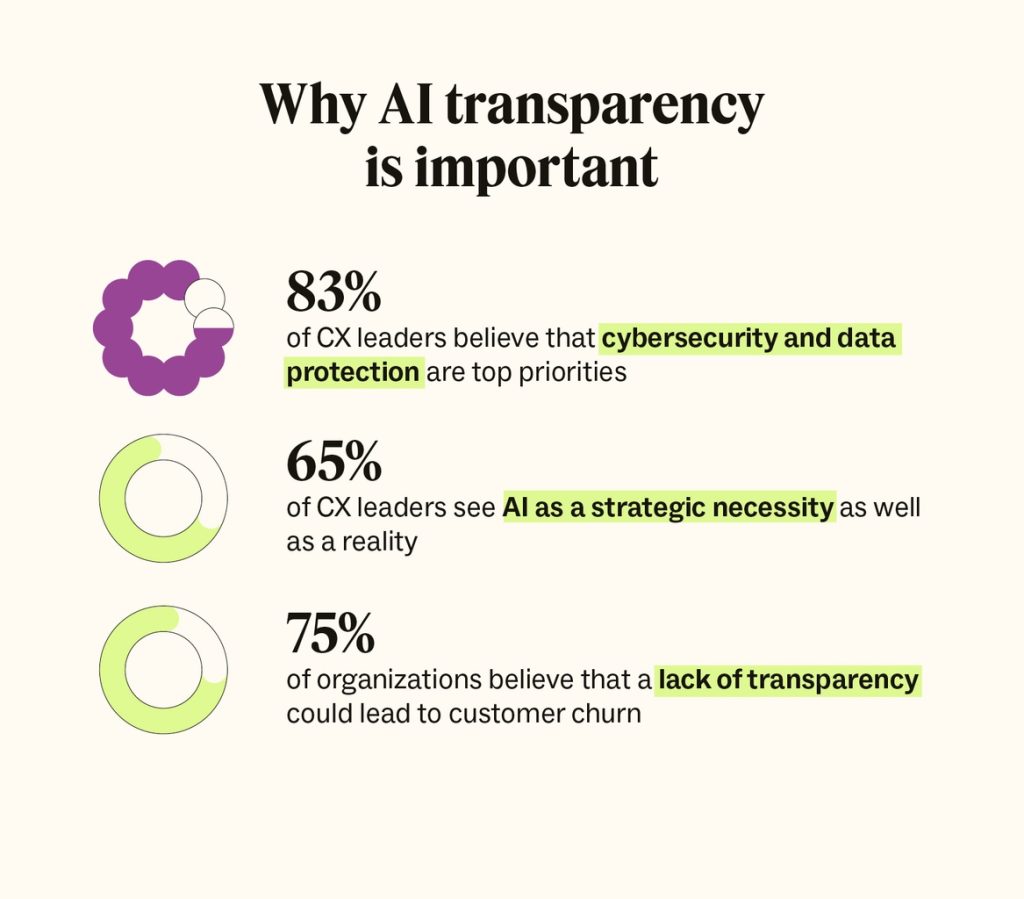
Governments and regulators are already setting expectations, and they’re not known for their patience. Businesses will be expected to show how AI systems make decisions, what data they use, and how bias is managed. Black-box models that shrug when asked “why?” will struggle to survive.
For companies, this changes buying decisions. It’s no longer just about performance. AI platforms will be judged on explainability, governance, and security. If a system can’t justify its decisions, it won’t be trusted with important ones.
Transparency also benefits users. Clearer explanations mean fewer surprises and more confidence. AI stops feeling like a mysterious oracle and starts behaving like a system you can actually work with.
AI trends 2026 don’t slow innovation down. They make it sustainable. The future belongs to systems that are not only powerful, but also understandable and accountable.
Edge computing and IoT trends redefine real-time intelligence
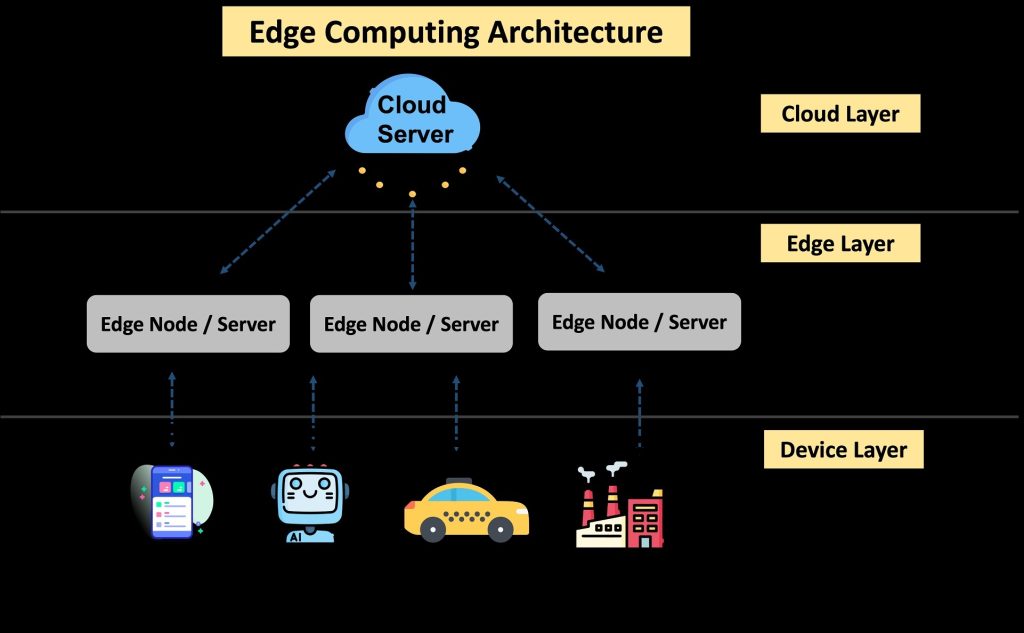
Cloud computing changed the game, but it also introduced a problem. Waiting. In a world where milliseconds matter, sending data halfway across the planet for processing just doesn’t cut it anymore. That’s where edge computing and IoT trends step in.
By 2026, billions of connected devices will process data exactly where it’s created. Sensors, machines, cameras, and wearables won’t just collect information, they’ll analyze it, react to it, and move on instantly. No round trips to the cloud. No unnecessary delays.
This shift is crucial for industries that don’t have time to wait. Autonomous vehicles need instant reactions. Factories rely on real-time monitoring. Healthcare systems depend on immediate alerts. Edge computing makes these scenarios reliable instead of risky.
There’s also a practical bonus. Processing data locally reduces bandwidth costs and limits how much sensitive information travels across networks. Systems become faster, more secure, and less fragile when connectivity isn’t perfect.
In 2026, intelligence won’t live in one central location. It will be everywhere, quietly embedded in the devices around us, making decisions faster than humans can blink.
AR and VR technology trends 2026 go mainstream
Augmented reality and virtual reality have spent years being described as “almost ready.” Almost practical. Almost affordable. Almost useful. By 2026, that “almost” finally disappears.
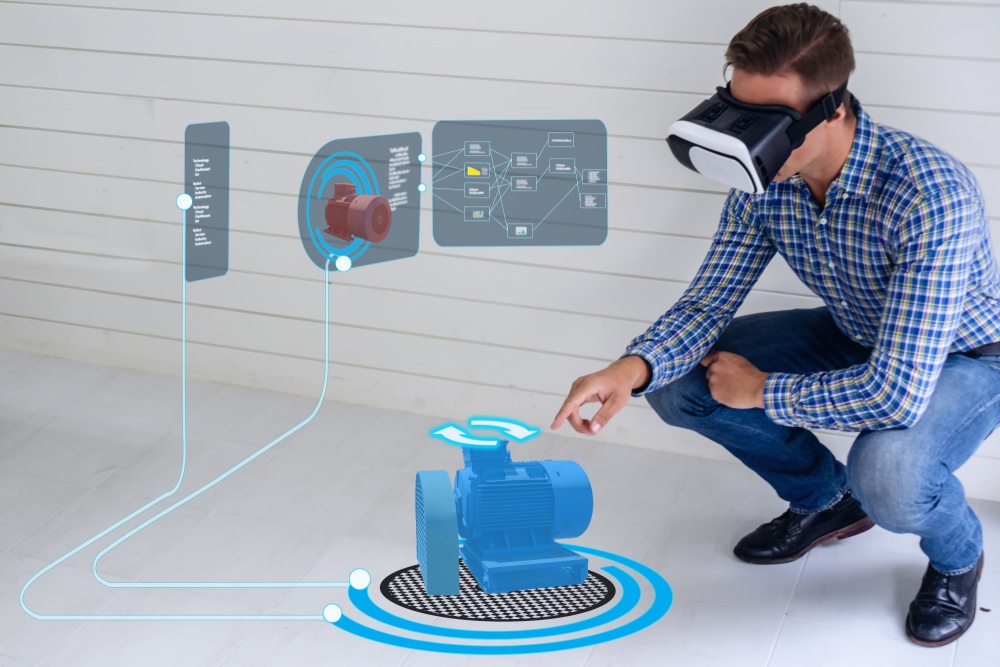
AR and VR technology trends 2026 are driven by practicality, not hype. Hardware gets lighter, more comfortable, and far less awkward to wear in public. Software platforms mature, making immersive experiences easier to build and easier to scale. The result is technology people actually want to use.
In the workplace, VR becomes the ultimate training tool. Employees practice complex or risky tasks in virtual environments before touching the real thing. Mistakes are cheaper, safer, and far less embarrassing. AR steps in for real-world guidance, overlaying instructions, data, and visual cues exactly where they’re needed.
Remote collaboration also gets a glow-up. Instead of flat video calls, teams meet in shared digital spaces that feel more natural and less draining. Presence improves, attention improves, and nobody has to ask, “Can you hear me?” for the fifth time.
By 2026, AR and VR won’t be novelty tech. They’ll be productivity tools, quietly making work more efficient, training more effective, and digital interaction far more engaging.
Emerging technologies 2026 accelerate convergence
If there’s one thing future technology trends love, it’s teamwork. Emerging technologies 2026 are not evolving in isolation. They’re colliding, merging, and quietly forming a tech supergroup.
AI doesn’t exist on its own anymore. It feeds on data from IoT devices. Edge computing processes that data in real time. Generative systems turn insights into content and experiences. AR and VR deliver it all in immersive ways. Each technology makes the others more powerful.
This convergence unlocks use cases that simply weren’t possible before. Smart environments adjust automatically to user behavior. Digital twins simulate real-world operations with impressive accuracy. Systems don’t just respond, they predict and adapt.
For businesses, this means the real advantage isn’t owning the fanciest tool. It’s knowing how to connect them. Organizations that design flexible, integrated technology stacks will move faster and scale smarter.
Emerging technologies 2026 reward those who think in ecosystems rather than features. The future isn’t about isolated innovation. It’s about how everything works together.
Top technology trends for businesses in 2026
By 2026, businesses won’t be asking whether to adopt new technology. They’ll be asking how they ever operated without it. The top technology trends for businesses will focus on speed, efficiency, and staying one step ahead in a world that doesn’t slow down.
AI-driven automation will quietly handle operations that once required entire teams. Decisions will be made faster, based on live data rather than gut instinct. Generative systems will compress weeks of work into days, sometimes hours, and nobody will miss the old timelines.
Edge computing supports systems where downtime is not an option. Immersive technologies improve training, collaboration, and customer engagement without adding friction. Together, these tools reshape how organizations structure teams and deliver value.
The winning strategy in 2026 won’t be chasing every shiny new platform. It will be adopting technology with clear intent, measurable outcomes, and enough flexibility to evolve as trends continue to collide.
Businesses that get this right won’t just keep up. They’ll set the pace.
Conclusion – Preparing for technology trends 2026
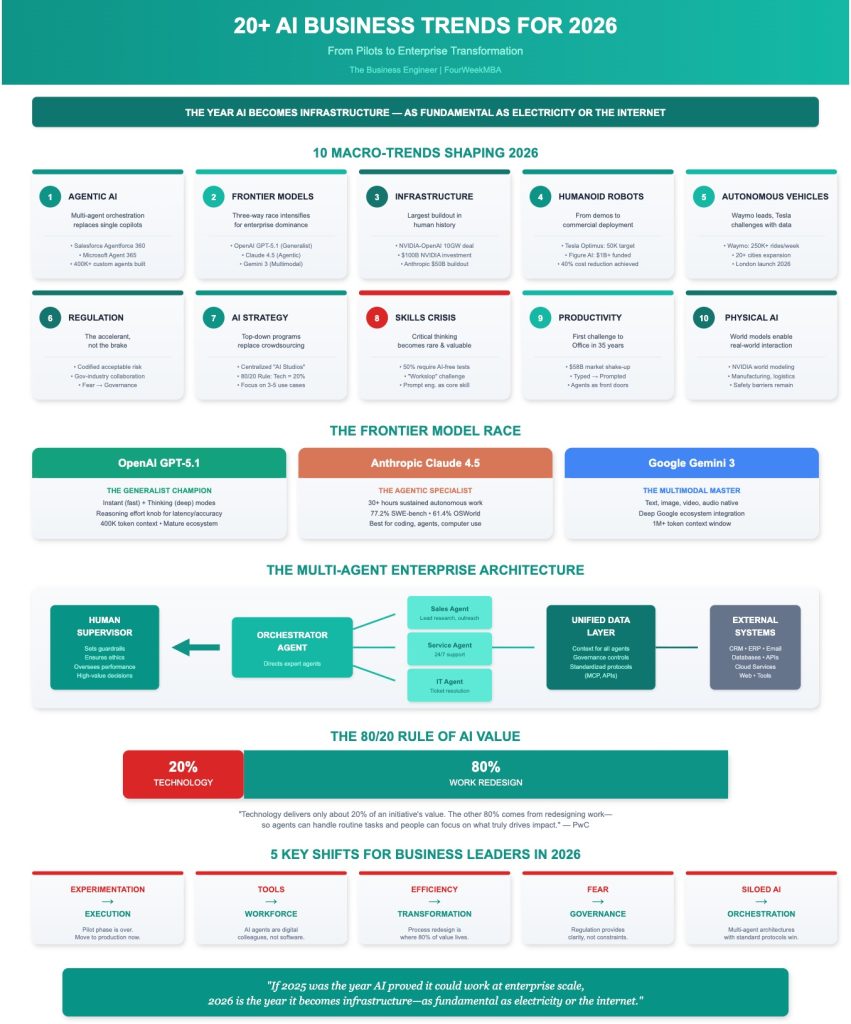
The technology trends 2026 will be defined by one simple idea: intelligence everywhere. AI automation trends will keep operations running smoothly in the background. Generative systems will remove friction from creativity and productivity. Edge computing and IoT trends will deliver instant insights exactly where they’re needed. AR and VR will finally earn their place as everyday tools rather than flashy experiments.
What makes this moment different is maturity. These technologies are no longer waiting for permission. They’re being built into the foundation of how digital systems operate. Businesses that move early will benefit from speed, efficiency, and adaptability. Those that wait will spend more time catching up than innovating.
Preparing for future technology trends doesn’t require chasing every new tool. It requires understanding direction, making smart investments, and building systems that can grow alongside change. In 2026, the gap between companies that planned ahead and those that didn’t will be painfully obvious.
The future isn’t arriving with a dramatic countdown. It’s already here, quietly optimizing, predicting, and improving things behind the scenes. The question is whether you’re ready to work with it, or still wondering where the settings menu went.
FAQ: Tech trends that will dominate 2026
What are the most important tech trends 2026 will be defined by?
The most important tech trends 2026 will include AI automation trends, generative AI advancements, edge computing and IoT trends, immersive AR and VR adoption, and the convergence of emerging technologies across industries.
How will AI trends 2026 impact everyday business operations?
AI trends 2026 will push businesses toward autonomous systems that manage workflows, analyze data in real time, and support faster decision making with minimal human intervention.
Why are generative AI trends 2026 so important?
Generative AI trends 2026 matter because they dramatically reduce the time and cost required to create content, software, designs, and digital experiences, while increasing personalization and scalability.
Are AR and VR technology trends 2026 finally practical for businesses?
Yes, AR and VR technology trends 2026 point toward lighter hardware, mature software platforms, and real-world use cases such as training, collaboration, and guided fieldwork.
How do edge computing and IoT trends support future technology trends?
Edge computing and IoT trends enable real-time processing, improve system reliability, reduce latency, and support critical applications where instant responses are essential.
How can companies prepare for emerging technologies 2026?
Companies should focus on flexible infrastructure, invest in skills development, prioritize security and transparency, and adopt technologies strategically rather than chasing every new innovation.
