

If you ask phone makers, the answer is simple: about two years, maybe three if you’re feeling adventurous.
If you ask your wallet, it’s screaming “as long as humanly possible.”
So how long should a smartphone last today, realistically? Not in marketing fantasy land, but in the real world where apps get heavier, batteries age, and your phone starts sounding like it’s running a marathon just to open Instagram.
In this guide, we’ll break down:
- The average smartphone lifespan
- How long phone batteries should actually last
- How long does an iPhone last vs Android phones
- When upgrading makes sense, and when it’s just tech FOMO
- Clear signs you need a new phone (and when you don’t)
No scare tactics, no brand worship, just honest, slightly playful tech reality.
The average smartphone lifespan in 2026
Let’s start with the big picture.
Today, the average smartphone lifespan sits somewhere between 3 to 5 years, depending on:
- How you use your phone
- Battery health
- Software support
- Whether you treat your phone gently or like a stress toy
Most people upgrade sooner, often around the 2.5 to 3-year mark, not because the phone is unusable, but because it feels slower, the battery annoys them, or a shiny new model whispers sweet nothings from a billboard.
In reality:
- A well-maintained smartphone can easily last 4 years
- Some phones push 5+ years with battery replacements
- Hardware failure is no longer the main issue, software and batteries are
Phones don’t usually “die” anymore. They just slowly become… inconvenient.
How many years should a phone last realistically?
If we strip away hype and personal bias, here’s the realistic expectation:
- Minimum expectation: 3 years
- Reasonable lifespan: 4 years
- Max practical lifespan: 5 to 6 years (with compromises)
This applies to both flagship and mid-range phones, though flagships age more gracefully.
Why the difference?
- Better processors age slower
- Higher RAM means fewer slowdowns over time
- Longer software support keeps things secure and compatible
A phone that lasts under 3 years usually has:
- Poor battery longevity
- Weak software support
- Low storage or RAM from day one
How long should a phone battery last?
This is where most smartphones lose the battle.
A phone battery doesn’t fail suddenly, it slowly drains your patience.
Battery lifespan in simple terms
- 2 to 3 years before noticeable degradation
- After that, expect shorter screen-on time
- By year four, many users find themselves charging twice a day
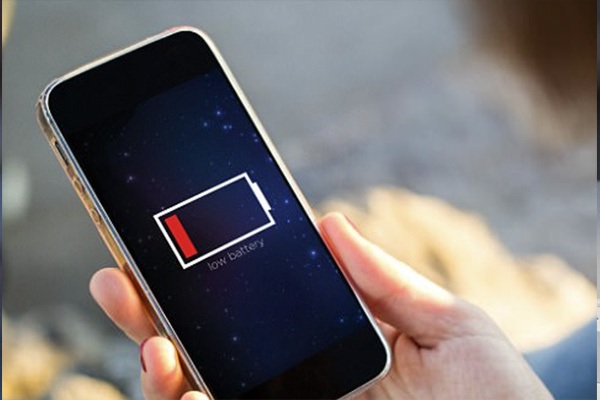
Lithium-ion batteries chemically age no matter how careful you are. Heat, fast charging, and constant full charges simply speed up the process.
What “bad battery” actually feels like
- Phone drops from 30% to 5% in minutes
- Random shutdowns during normal use
- Battery health warnings appear
- Charging anxiety becomes part of your personality
The good news is that battery failure doesn’t mean your phone is finished. A battery replacement can often add one to two extra years to a phone’s life for a fraction of the cost of upgrading, making it one of the smartest fixes before buying a new device.
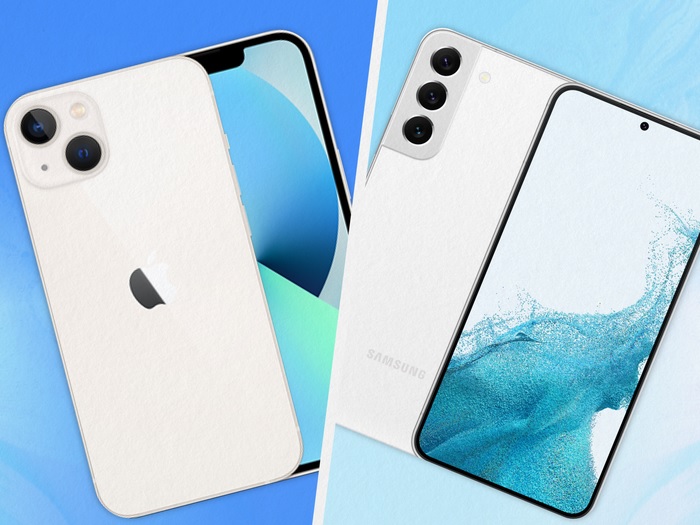
How long does an iPhone last compared to Android phones?
This is where debates get spicy, but let’s keep it factual.
How long does an iPhone last?
On average, 5 to 6 years of usable life.
Why?
- Long software update support
- Strong performance even after years
- Tight hardware and software optimisation
Many people use iPhones well beyond four years, especially with a battery replacement halfway through.
How long does an Android phone last?
Typically 3 to 5 years, depending heavily on brand and model.
Key factors:
- Flagship Android phones last longer than budget models
- Software updates vary by manufacturer
- Battery quality differs more across brands
High-end Android phones can absolutely match iPhone longevity, but cheaper models often feel outdated sooner.
Do smartphones really slow down, or does it just feel that way?
Short answer: yes, they do slow down, but not for the reasons people think.
It’s not planned sabotage. It’s accumulation.
Over time:
- Apps get heavier
- Operating systems demand more resources
- Storage fills up
- Battery degradation limits peak performance
Your phone isn’t worse. The world around it is just more demanding.
This is why a phone that felt lightning-fast in year one feels “meh” by year three, even if nothing is technically broken.
How often should you upgrade your phone?
Here’s the honest answer most people don’t want to hear:
You should upgrade when your phone stops serving your needs, not when a new model launches.
For most users:
- Every 3 to 4 years makes financial and practical sense
- Upgrading yearly offers minimal real-world benefits
- Waiting too long can cause daily frustration
Ask yourself:
- Does my phone last a full day?
- Does it run the apps I need smoothly?
- Am I missing essential features, or just trendy ones?
If the problems are daily and annoying, upgrading is reasonable.
If the phone still works fine and you’re bored, that’s a want, not a need.
Smartphone lifespan by usage type: light, average, and power users
Not all phones age at the same speed, because not all users treat their phones the same.
Light users
If your phone habits look like this:
- Messaging and calls
- Social media scrolling
- Occasional photos
- Light app usage
Your phone can realistically last 5 to 6 years.
Light users stress the battery and processor far less, meaning slower degradation over time. For many people in this category, upgrading early is usually about desire, not necessity.
Average users
This is where most people sit.
- Daily social media
- Streaming videos
- Navigation and productivity apps
- Regular multitasking
For average users, the sweet spot is 4 to 5 years.
Battery replacement around year three can push lifespan comfortably into year five without major compromises.
Power users
If your phone is basically a pocket-sized workstation:
- Heavy gaming
- Video editing
- Constant hotspot use
- Long screen-on times
Expect 3 to 4 years before performance or battery life becomes frustrating.
Power users benefit most from buying higher-end phones upfront, as stronger hardware ages far more gracefully.

Repair vs replace: when upgrading actually makes financial sense
This is where emotions should step aside and numbers step in.
When repair is the smarter choice
- Battery replacement costs under 25 percent of phone value
- Screen repair restores full usability
- Phone still receives security updates
- Performance is acceptable after maintenance
A battery replacement alone often delivers the biggest return on investment in smartphone ownership.
When replacing is the better move
- Multiple components failing at once
- Repair costs approach the price of a new mid-range phone
- Software support has ended
- Storage limitations can’t be solved
At this point, repairs become sunk costs rather than solutions.
How buying smarter today extends your phone’s lifespan
If you want your next phone to last longer, the process doesn’t start two years down the line, it starts at the moment of purchase. Many phones feel outdated early not because they’re old, but because they were limited from day one.
Choosing the right balance of hardware, software support, and long-term usability matters far more than chasing the most powerful specs on paper.
Features that help phones age better
A few smart choices upfront can easily add an extra year or two to your phone’s usable life.
- At least 8GB of RAM: More RAM helps your phone handle future apps and updates without slowing down. Phones with lower RAM often feel outdated much sooner, especially with multitasking.
- Generous storage from day one: Storage fills up faster than most people expect. Choosing higher storage upfront prevents performance drops and constant cleanup later.
- Strong battery capacity: A larger, more efficient battery ages better over time and reduces charging stress, especially during the first few years.
- Long software update commitment: Phones with guaranteed updates stay secure, compatible, and usable for much longer, even if the hardware isn’t cutting-edge.
- Efficient processors over raw power: Energy-efficient chips maintain performance longer and generate less heat, which helps protect battery health over time.
Interestingly, well-supported mid-range phones often outlast poorly supported flagships. Consistent updates and balanced specs beat raw performance that can’t be maintained long-term.
Future-proofing doesn’t mean overpaying for features you’ll never use. It means avoiding bottlenecks that can’t be fixed later, like low RAM, limited storage, or weak software support. When you buy with longevity in mind, your phone won’t just feel new longer, it will actually stay useful longer.
Why phones feel outdated faster than they really are
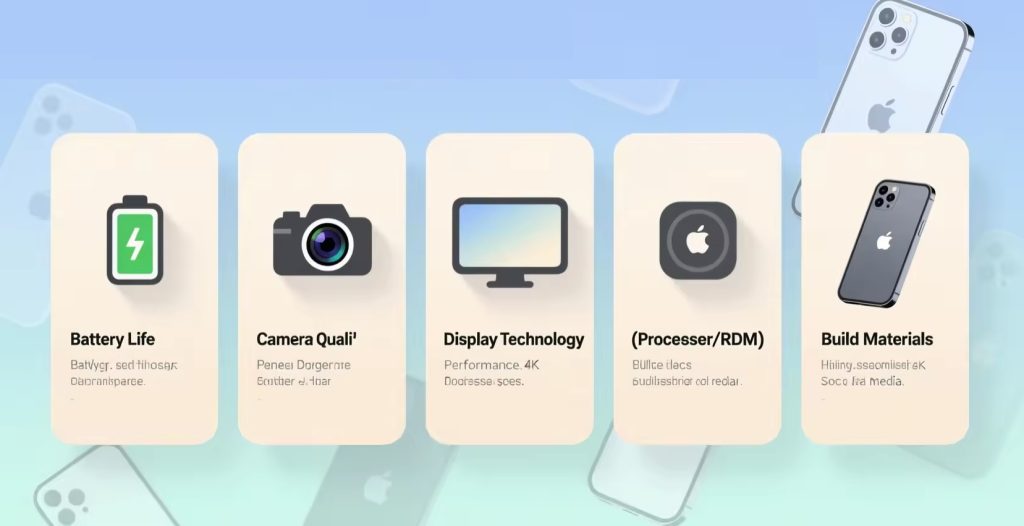
Psychology plays a much bigger role than technology when it comes to how quickly phones feel “old.” Modern smartphones improve in small, incremental steps, but the way those changes are marketed makes them feel revolutionary.
Aggressive marketing cycles create artificial urgency, making it seem like your phone is suddenly behind just because a new model exists. Social media amplifies this effect by constantly highlighting new features, camera samples, and side-by-side comparisons that exaggerate real-world differences. Over time, this comparison culture quietly makes perfectly capable phones feel inferior.
In reality, most yearly upgrades deliver marginal improvements that rarely change daily usage. Recognising this gap between perception and reality helps you make calmer, more intentional upgrade decisions, instead of upgrading out of habit or fear of missing out.
The environmental side of smartphone longevity
Keeping a phone longer isn’t just practical or economical, it’s also a responsible choice. Smartphones require rare materials, complex manufacturing processes, and global transport networks that carry a significant environmental cost.
Every new phone adds emissions through production, packaging, and shipping, while many retired devices end up sitting unused in drawers instead of being properly recycled. Extending a phone’s life by even one additional year can significantly reduce its lifetime environmental footprint.
Longevity is one of the most eco-friendly features a smartphone can have. Using a device for as long as it remains functional is one of the simplest ways individuals can reduce electronic waste without sacrificing modern convenience.
Final takeaway: how long should a smartphone really last today?
Let’s tie everything together and cut through the marketing noise.
In today’s world, a modern smartphone should reasonably last at least 3 years without major issues, even with daily use. For most users, 4 years is the comfortable sweet spot, where performance, battery life, and software support still feel reliable. With mindful charging habits, basic maintenance, and a battery replacement at the right time, many phones can even stretch to 5 years or more without becoming frustrating to use.
Upgrading your phone should feel like a meaningful improvement, not a desperate escape from poor battery life, constant lag, or app crashes. If your current phone still gets you through the day, runs the apps you rely on, and doesn’t actively get in your way, then it’s still doing exactly what it’s supposed to do.
The smartest upgrade isn’t the fastest one or the most expensive one. It’s the upgrade you make when your phone no longer supports your lifestyle, not when a launch event or advertisement tries to convince you that your perfectly usable device is suddenly obsolete.
FAQ
How many years should a phone last with proper care?
With good charging habits, storage management, and occasional maintenance, most smartphones can comfortably last 4 to 5 years. Replacing the battery midway can extend usability even further.
Do smartphones slow down because of updates?
Software updates increase system demands over time, but slowdowns are usually caused by aging batteries, full storage, and heavier apps, not updates alone.
Is replacing a phone battery worth it?
Yes, replacing a phone battery is often the most cost-effective way to extend a smartphone’s life, especially if the phone still performs well otherwise.
How long do Android phones last compared to iPhones?
High-end Android phones can last as long as iPhones in terms of hardware, but software update support varies by brand, which affects long-term usability.
Should you upgrade your phone just for new features?
If new features don’t meaningfully improve how you use your phone daily, upgrading is usually unnecessary and more about want than need.
