

Why fitness tracker accuracy matters more than ever
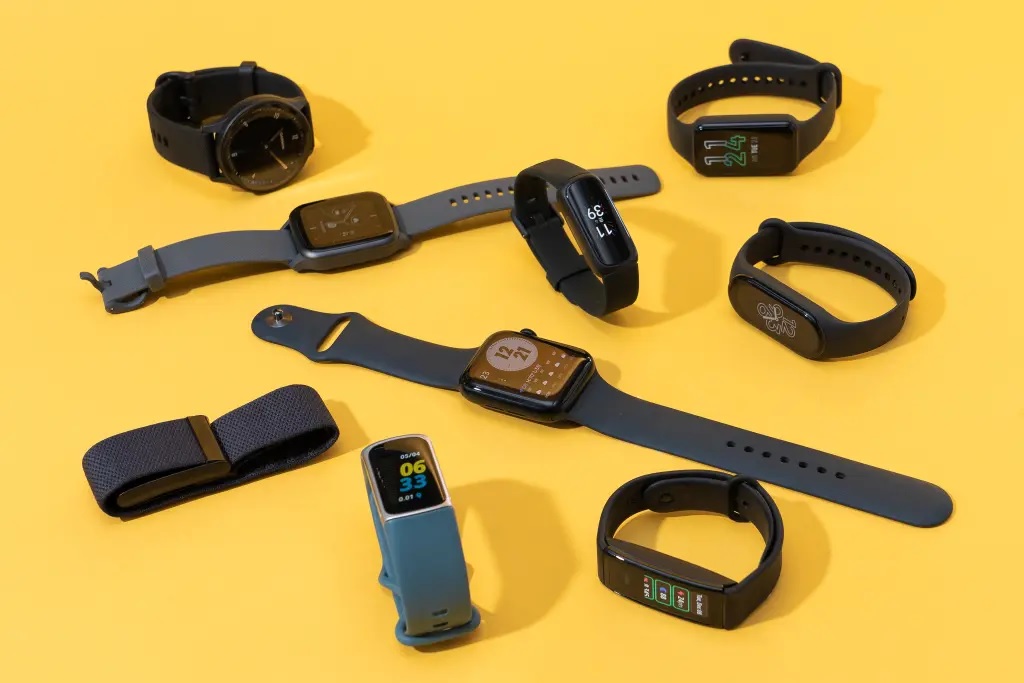
Fitness trackers are no longer just step counters clipped to a waistband. In 2026, they have evolved into full-blown health dashboards that promise insights into heart health, sleep quality, stress levels and even recovery readiness. With so much personal data involved, it is only natural to wonder how accurate fitness trackers really are.
For many people, these numbers influence daily habits. A low sleep score might push you to cancel a workout. A high calorie burn could justify an extra dessert. Some users even adjust training plans or lifestyle choices based on what their wrist tells them. That makes fitness tracker accuracy more than a technical detail, it becomes a trust issue.
The reality is that modern wearables are very good at spotting trends, but they are not medical devices. Understanding what they measure well, where they struggle and how to interpret the data can help you use them smarter, without turning every metric into a source of anxiety.

How fitness trackers actually measure your data
To understand fitness tracker accuracy, it helps to know what is happening under the hood. Most modern fitness trackers use a combination of optical sensors, motion sensors and software algorithms to turn raw signals into health data.
The optical sensor system uses small LEDs that shine light into your skin. As blood flows through your wrist, the reflected light changes, allowing the device to estimate heart rate and related metrics. This same data is later reused for stress levels, recovery scores and parts of sleep tracking accuracy. Alongside this, accelerometers and gyroscopes track movement, direction and intensity to estimate steps, distance and activity type.
The tricky part is that your body is not a controlled lab environment. Skin tone, tattoos, arm hair, sweat, temperature and even how tightly you wear the band can affect readings. To compensate, manufacturers rely heavily on algorithms that smooth out data and fill in gaps. This means most trackers are excellent at identifying patterns and averages, even if individual data points are not always perfect.

Are fitness trackers accurate for steps and distance?
When it comes to everyday activity, step tracking is one of the strongest areas for most wearables. For normal walking, light movement and daily routines, step counts are usually very close to reality. Small errors can still happen, but they tend to balance out over the course of a full day.
Problems appear when arm movement does not match leg movement. Pushing a shopping cart, carrying a bag or walking on a treadmill while holding the handrails can all lead to undercounting. On the flip side, excessive arm movement during chores may add extra steps that never actually happened. Despite this, step totals remain reliable enough for goal tracking and habit building.
Distance accuracy depends heavily on GPS quality. Outdoor runs and walks are generally tracked well, especially on newer devices with multi-band GPS. Indoors, distance is estimated using stride length and motion data, which can vary from person to person. This means treadmill distances are best treated as approximations rather than exact measurements.

Heart rate tracker accuracy: how much can you trust it?
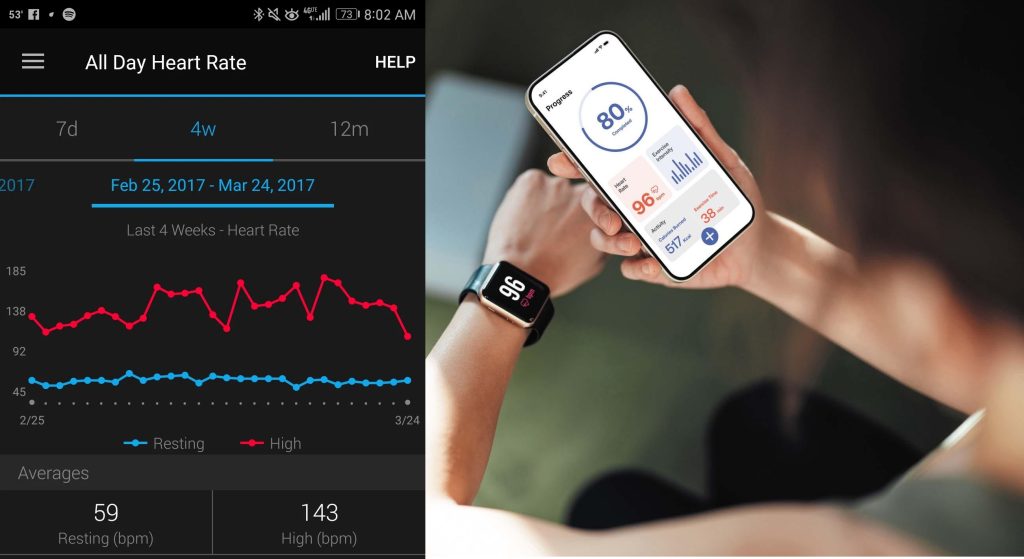
Heart rate tracking is one of the most used and most questioned features in fitness wearables. In calm conditions, such as resting, sleeping or steady-paced walking, modern trackers perform very well. Readings in these scenarios are often close to what chest straps and clinical devices report, making them useful for monitoring long-term trends.
Challenges start during activities with rapid intensity changes. High-intensity interval training, weightlifting and sports with quick wrist movement can confuse optical sensors. Blood flow changes faster than the sensor can keep up, and the device may lag behind or briefly miss spikes. This does not mean the data is useless, but it does mean single readings should not be overanalysed.
Fit and placement play a bigger role than most users realise. Wearing the tracker slightly higher on the wrist and snug, without cutting off circulation, improves signal quality. When worn correctly, heart rate tracker accuracy is good enough for zone-based training, recovery tracking and general cardiovascular insights, even if it is not designed for medical diagnosis.
Sleep tracking accuracy: helpful insights or educated guesses?
Sleep tracking is one of the most popular features in modern wearables, but it is also one of the most misunderstood. Fitness trackers estimate sleep stages by combining heart rate data, movement and breathing patterns. This approach works well for identifying when you fall asleep, wake up and how long you stay in bed.
Where sleep tracking accuracy becomes less reliable is in distinguishing between light, deep and REM sleep. These stages are based on probability models rather than direct brain activity, which means the tracker is making informed estimates. Two devices worn on the same night can sometimes report different sleep stage breakdowns, even if total sleep time is similar.
Despite these limitations, sleep data is still extremely useful when viewed over time. Trends like consistently short sleep, frequent awakenings or irregular bedtimes are usually captured well. Instead of focusing on a single night’s score, sleep tracking works best as a long-term awareness tool that highlights patterns rather than precise sleep science.

How accurate are popular fitness trackers in real life?
Not all fitness trackers are built the same, and accuracy can vary depending on brand focus, sensor quality and software tuning. Some devices prioritise lifestyle health insights, while others lean heavily toward serious training and performance metrics.
The Apple Watch is widely praised for its heart rate consistency and overall fitness tracking reliability. Apple Watch fitness accuracy is strongest during everyday activities, steady cardio and general health monitoring. GPS performance is solid, and heart rate readings are among the best for a wrist-based device, though battery limitations can affect longer outdoor sessions.
For runners and endurance athletes, Garmin Forerunner models are known for excellent GPS precision and strong heart rate tracking during sustained workouts. Garmin Forerunner accuracy shines in structured training environments, offering stable pace, distance and elevation data that competitive athletes appreciate.
On the lifestyle side, Fitbit Charge 6 delivers reliable step tracking and very good sleep insights. Fitbit Charge 6 accuracy is particularly strong for daily activity trends and overnight data, making it a favourite for users focused on wellness rather than intense training.
Finally, the Garmin Venu 4 aims to balance both worlds. Garmin Venu 4 accuracy performs well across heart rate, GPS workouts and sleep tracking, while offering a more smartwatch-like experience compared to Garmin’s sport-first devices.

What is the most accurate fitness tracker overall?
Choosing the most accurate fitness tracker depends heavily on how you plan to use it. Accuracy is not a single score, it changes based on activity type, environment and personal habits. A tracker that excels at running may not be the best choice for sleep tracking, and vice versa.
For heart rate consistency and overall day-to-day reliability, premium smartwatches tend to lead. Devices focused on endurance sports usually deliver the best GPS and pace accuracy, while wellness-focused trackers often shine in sleep and recovery trends. This is why the “best” option is often the one that matches your lifestyle rather than the one with the longest spec sheet.
In 2026, the best fitness trackers combine strong hardware with refined algorithms. Multi-band GPS, improved optical sensors and smarter data processing have narrowed the accuracy gap significantly. For most users, today’s top devices are accurate enough to guide training, monitor health patterns and support long-term fitness goals, as long as expectations remain realistic.
What affects fitness tracker accuracy the most?
Even the best fitness trackers can deliver inconsistent results if certain conditions are not met. Accuracy is influenced by a mix of hardware quality, software intelligence and how the device is used day to day.
One of the biggest factors is fit. A tracker worn too loosely can lose contact with the skin, while one worn too tightly can restrict blood flow. Placement also matters, wearing the device slightly above the wrist bone usually improves sensor readings. Activity type plays a role as well. Steady movements are easier to track than explosive or irregular ones.
Environmental and personal factors matter more than most people realise. Cold weather reduces blood flow, sweat interferes with sensors and darker tattoos can block optical signals. Software updates also influence performance, as manufacturers frequently refine algorithms to improve fitness tracker accuracy over time.

How to improve fitness tracker accuracy in daily use
Getting better data from your fitness tracker does not always require buying a new device. Small adjustments in how you wear and use it can noticeably improve accuracy across heart rate, steps and sleep tracking.
Start with proper fit and placement. Wear the tracker snug but comfortable, and position it slightly above the wrist bone rather than directly on it. During workouts, tightening the band a little can help maintain consistent skin contact. Keeping sensors clean and dry also prevents signal interference caused by sweat or dirt buildup.
Calibration matters too. Setting the correct height, weight and stride length improves distance and calorie estimates. Using GPS for outdoor workouts helps the device learn your movement patterns. Over time, these small tweaks allow the algorithms to adapt, resulting in more reliable and meaningful fitness tracker accuracy.

Are fitness trackers accurate enough for health decisions?
Fitness trackers are excellent tools for awareness, but they are not medical devices. They are designed to highlight trends, patterns and changes over time rather than provide clinical diagnoses. This distinction is important, especially as wearables continue to add features related to heart health and sleep quality.
For general wellness, fitness trackers are more than accurate enough. They can help identify resting heart rate changes, irregular sleep habits or declining activity levels. However, single readings should never be treated as definitive health indicators. A sudden spike or dip is best viewed as a prompt to observe further, not panic.
When it comes to serious concerns, professional medical equipment and clinical advice always take priority. Fitness trackers work best as supportive tools that encourage healthier habits and informed conversations with healthcare providers, rather than replacements for medical testing.

Conclusion: how accurate are fitness trackers really?
So, how accurate are fitness trackers really? The honest answer is that they are far more reliable than ever, but still not flawless. In 2026, the best devices deliver consistent data for steps, heart rate trends, GPS workouts and sleep patterns, making them powerful tools for everyday health and fitness awareness.
Where fitness trackers perform best is in spotting long-term patterns rather than nailing every single data point. They help you understand how active you are, how well you are sleeping and how your body responds to exercise over time. When used with realistic expectations, this information can genuinely support healthier habits and smarter training decisions.
The key is not to chase perfection. Treat your tracker as a helpful guide, not a judge. Use the data to stay motivated, informed and curious about your health, while remembering that your body is always more complex than any algorithm wrapped around your wrist.
Frequently asked questions
Are fitness trackers accurate for calories burned?
Fitness trackers estimate calories burned using heart rate, movement and personal data like age and weight. While they are useful for comparing activity levels day to day, calorie numbers should be treated as approximations rather than exact values.
Which brand has the most accurate fitness tracker?
There is no single winner for everyone. Some brands excel at heart rate tracking, others at GPS or sleep insights. The most accurate fitness tracker is usually the one best suited to your main activities and how you wear it.
Are fitness trackers accurate for sleep tracking?
Fitness trackers are good at detecting sleep duration and wake times. Sleep stages are estimated using algorithms, so they are best used to identify long-term sleep patterns rather than precise sleep science.
Can fitness trackers detect health problems?
Fitness trackers can highlight unusual trends like changes in resting heart rate or irregular sleep. They are not diagnostic tools and should never replace professional medical advice.
Do fitness trackers get more accurate over time?
Yes, many devices improve accuracy as they learn your movement patterns and receive software updates. Consistent use, proper fit and correct personal settings all help improve long-term accuracy.
