

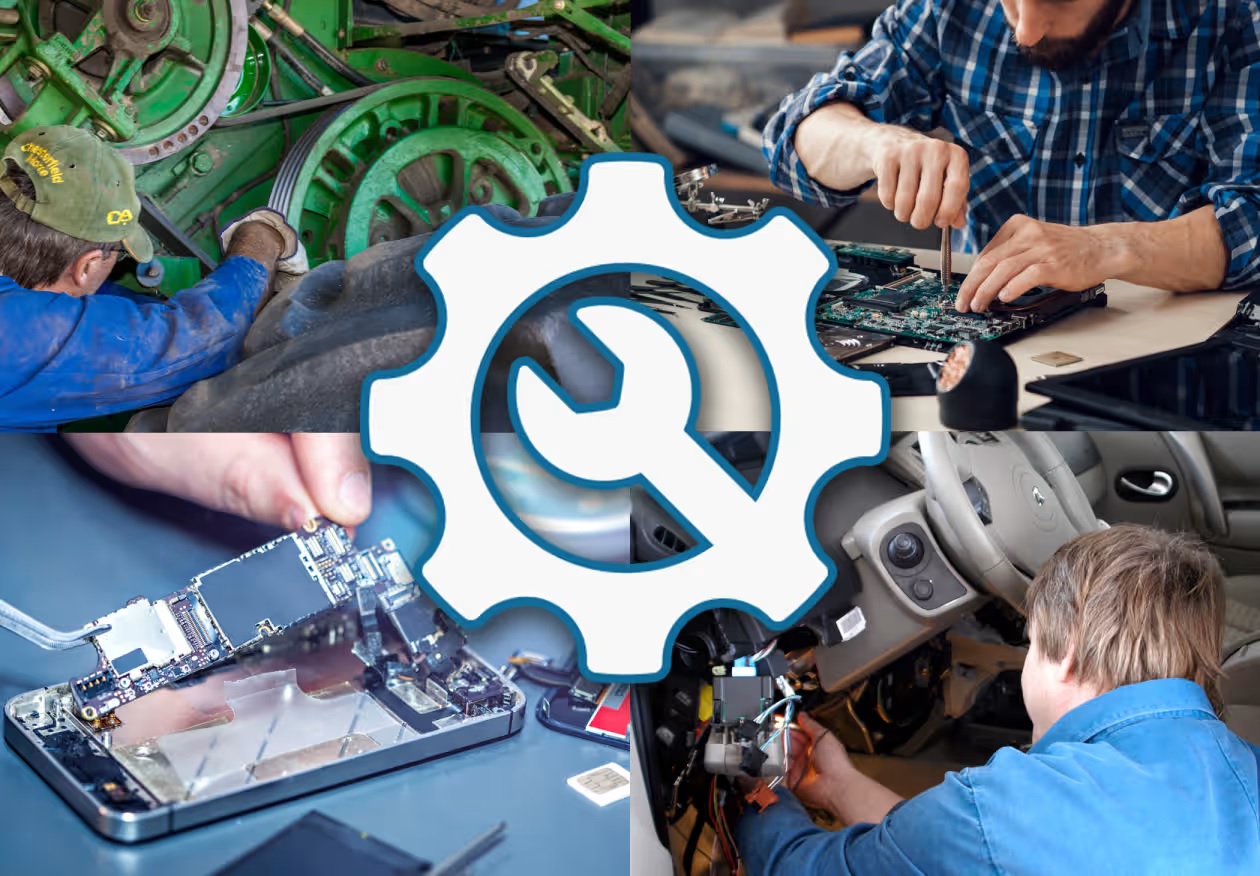
Why right-to-repair suddenly matters
For years, repairing your own device felt less like a practical skill and more like attempting a magic trick you were never meant to learn. Screws were proprietary, parts were locked behind software, and official repairs somehow cost just slightly less than buying a whole new device. Coincidence? Absolutely not.
That slow-burning frustration is exactly what sparked the rise of right-to-repair laws.
By 2026, this conversation will have moved well beyond niche tech forums and angry Reddit threads. It has become a mainstream consumer rights issue. Governments, regulators and everyday users are pushing back against restrictive repair practices with a pretty reasonable argument: if you paid for it, you should be allowed to fix it.
From smartphones to laptops, these laws are reshaping how tech products are designed, sold and supported. This is especially important if you’re considering devices from our guide to the best budget smartphones you can buy right now, where long-term repairability can matter as much as price. Understanding what right to repair actually means helps consumers make smarter buying decisions, gives independent repair shops a fighting chance and quietly challenges the idea that modern tech should be disposable by default.
It also affects how long our devices last, how much electronic waste we generate and just how much control manufacturers keep after the sale. Spoiler: consumers are finally getting some of that control back.
What is right to repair and how did it start?
At its core, right to repair is refreshingly simple. If you buy a product, you should be allowed to repair it yourself or choose who repairs it. No secret permissions, no digital side-eyes from the manufacturer.
In practical terms, right to repair means access to replacement parts, repair manuals, diagnostic tools and software, without being forced into an official repair channel by default. You still can use authorized service centres if you want. You just are not trapped there.
The movement picked up steam when consumers started noticing a pattern they did not love. Phones glued shut like they were never meant to be opened. Laptops with soldered components that turned minor fixes into major headaches. Repairs blocked by software messages politely informing you that you were not “authorized” to touch the thing you already owned.
The result was predictable. Devices that could have been repaired were replaced instead. Not because they were obsolete, but because fixing them was made intentionally difficult or expensive.
Right to repair, explained properly, is not about forcing everyone to become a home technician with a YouTube certification. It is about choice. It gives consumers the freedom to decide how, where and by whom their devices are repaired. Environmental concerns, rising repair costs and growing pressure from consumer advocacy groups pushed this idea from frustration to legislation.
And once that door opened, it became very hard to close again.

Right-to-repair laws in the US: what’s happening at the state level
In the United States, right-to-repair laws do not arrive as one neat, nationwide package. Instead, they have been rolling out state by state, creating a patchwork of rules that can feel a little messy but very intentional.
Several right to repair states have passed legislation focused on consumer electronics like phones, tablets and laptops. These laws generally require manufacturers to provide independent repair shops and consumers with access to parts, tools and repair documentation. In other words, fixing your own device is no longer treated like you are doing something suspicious.
The scope of these laws varies depending on where you live, but the direction is consistent. Repairs should not be locked behind authorized service centres only, especially when perfectly capable alternatives exist.
One of the most influential examples is the California right to repair law. California’s role matters because of its size and its influence on the tech industry. When California sets repair standards, many manufacturers decide it is easier to apply the same approach nationwide rather than juggle different rules for different states.
That ripple effect has helped push broader repair access across the US, even in places where formal legislation is still catching up.

How right-to-repair laws support independent repair shops
Independent repair shops have spent years stuck in an awkward position. They had the skills, the experience and the customers, but not always the tools or parts needed to actually finish the job properly. It is hard to fix something when the manufacturer is guarding the instructions like a secret family recipe.
Right-to-repair laws start to fix that imbalance.
With stronger repair rules in place, independent repair shops gain legal access to official parts, repair manuals and diagnostic software. That means fewer workarounds, less guesswork and far fewer conversations that end with “we could fix it, but…”
For consumers, this usually translates into better outcomes across the board. Repairs are often cheaper, turnaround times are faster and there is finally more choice than a single authorised service option. Competition does what competition does best: keeps prices sensible and service standards high.
There is also a broader community benefit. Local repair businesses keep money circulating within neighbourhoods and reduce electronic waste by extending device lifespans. When repair becomes accessible, fewer phones and laptops are thrown away over issues that could have been solved in an afternoon with the right parts and information.

Right to repair phones: what changes for smartphone owners
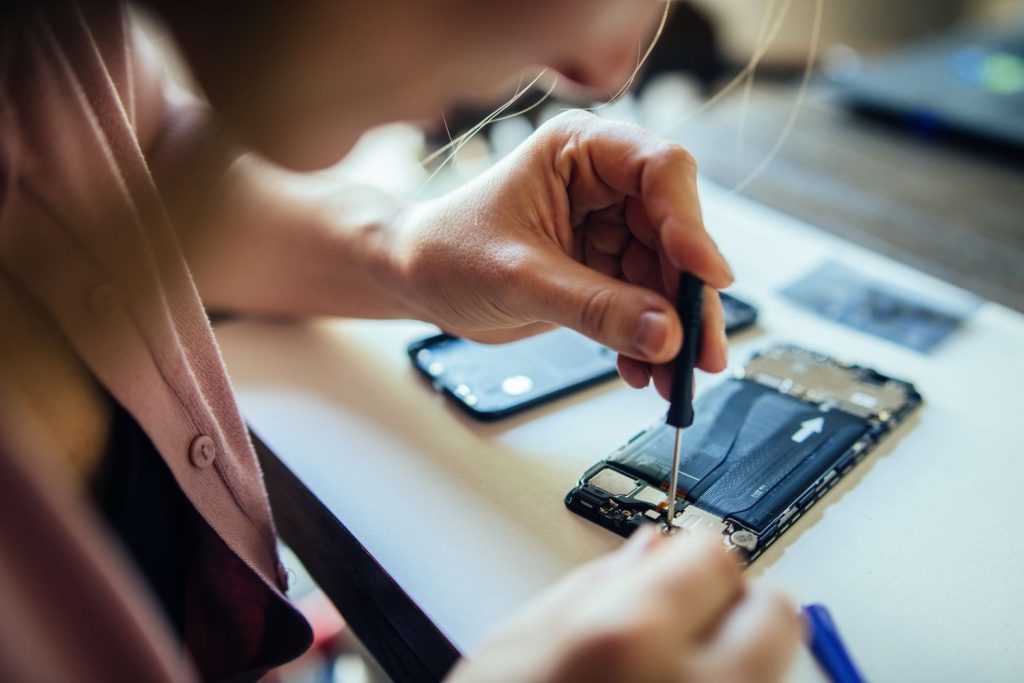
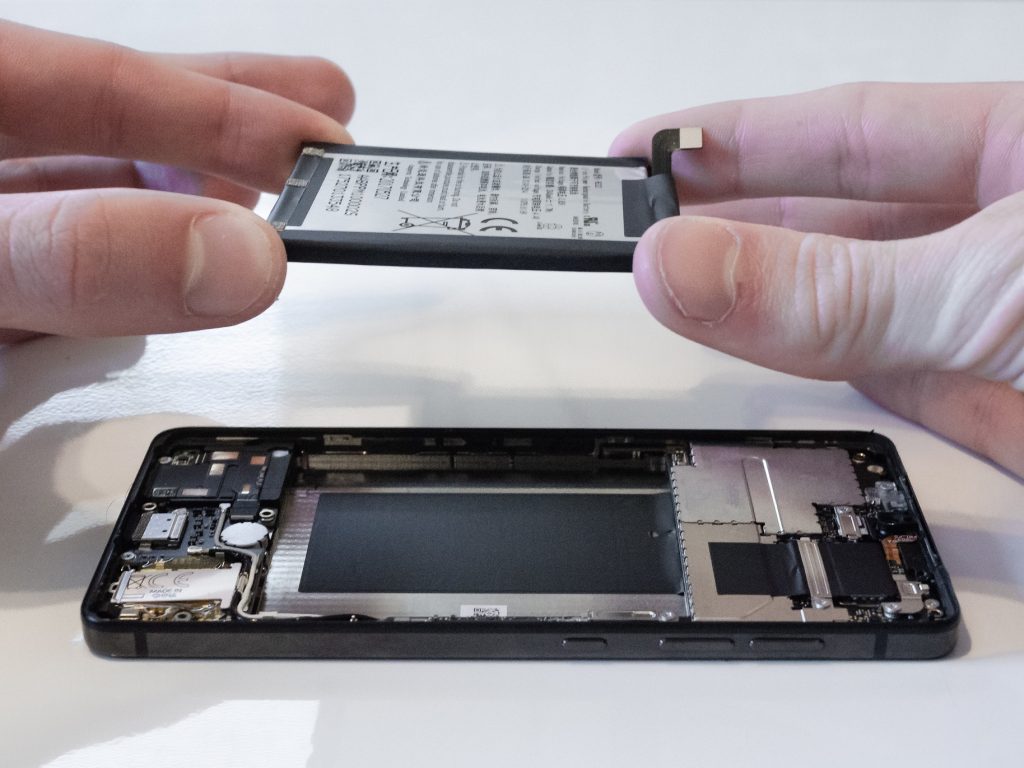
Smartphones sit right at the centre of the right-to-repair debate, and honestly, it is not hard to see why. They are expensive, essential and somehow always the first thing to break when you least need the hassle. Cracked screens, worn batteries and loose charging ports are practically part of the ownership experience.
Right to repair phones legislation is designed to change how those problems are handled. Instead of being funnelled straight into official repair channels, manufacturers are increasingly required to make genuine replacement parts, repair guides and diagnostic tools available to consumers and independent technicians.
That shift gives phone owners options. Real ones. Repairs become more affordable, waiting times are shorter and older devices do not have to be retired just because one component gave up.
While modern phones are still packed tightly and built for slim designs, the pressure from right-to-repair laws is nudging manufacturers toward more repair-friendly choices. Over time, that means fewer sealed-for-life components and fewer moments where a minor issue turns into an expensive upgrade decision.
Right to repair laptops and access to repair parts
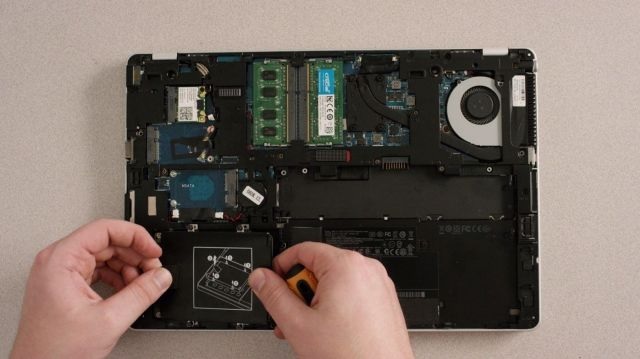
Laptops bring their own special set of repair frustrations. Batteries tucked away like they are hiding, keyboards that require half the device to be dismantled and components soldered in place as if upgrades were personally offensive to the design team.
Right to repair laptops legislation aims to make those repairs less of an ordeal. The focus is on improving access to laptop repair parts and official service information, so common fixes are not treated like advanced engineering projects.
Under stronger repair rules, manufacturers may be required to sell replacement components directly to consumers and independent technicians, along with proper repair guides. That makes it far easier to fix everyday issues without replacing the entire device.
For consumers, better access to laptop repair parts means longer device lifespans and lower ownership costs. That becomes even more relevant when comparing modern systems in our breakdown of ARM vs x86 laptops, where upgradeability and repair access vary by platform. Swapping out a worn battery or faulty keyboard can add years of useful life, rather than pushing an otherwise capable laptop toward an early retirement.
How right-to-repair laws affect consumers long term
The real impact of right-to-repair laws does not always announce itself immediately. There is no dramatic moment where your phone suddenly becomes immortal. Instead, the benefits show up gradually, changing how people think about owning and using technology over time.
One of the most noticeable long-term effects is cost savings. When basic repairs like battery replacements or screen fixes become easier and more affordable, consumers are far less likely to replace entire devices out of frustration. Over a few years, that can quietly save hundreds of dollars per household, especially as device prices continue to creep upward.
Device lifespan improves too. Products designed with repair access in mind are much more likely to stay functional for five years or longer. That means less electronic waste and fewer perfectly usable devices ending up in drawers or landfill because fixing them felt impossible.
There is also a confidence shift. Knowing a device can be repaired changes how people buy and use technology. Consumers feel more in control, less dependent on manufacturers and more comfortable investing in higher-quality products. Instead of treating tech as fragile and disposable, ownership starts to feel practical again.
EU right to repair 2026: how Europe is setting the standard
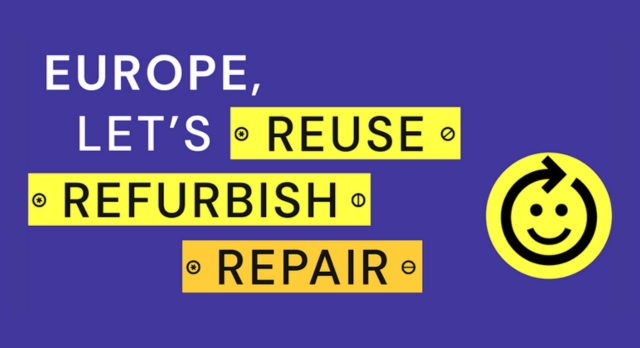
While the United States has taken a state-by-state approach, Europe decided to skip the slow build-up and go straight for a coordinated plan. The EU right to repair 2026 framework is one of the most ambitious repair initiatives anywhere, and it is already nudging global manufacturers in a new direction.
Under these rules, companies selling products in the European Union must meet stricter repairability requirements. That includes making spare parts available for longer periods, providing clearer repair information and designing products that can actually be taken apart without specialised or proprietary tools.
The focus goes beyond phones and laptops too. Household appliances and other consumer electronics are also included, reinforcing the idea that repair should be normal, not exceptional.
For consumers, the impact is hard to miss. Devices are expected to last longer, repairs are easier to access and replacement costs are reduced. And because many manufacturers sell the same products worldwide, EU standards often become the default globally. Even consumers outside Europe may benefit, whether they realise it or not.
Why some manufacturers resist right-to-repair laws
Despite growing consumer support, not every manufacturer is thrilled about right-to-repair laws. From their perspective, opening up repairs can feel like handing over the keys and hoping everyone drives responsibly.
One of the most common arguments is safety. Manufacturers often claim that restricting repairs protects users from poorly performed fixes and potential security risks. There are also concerns about intellectual property and protecting proprietary technology from misuse.
Brand reputation plays a role too. Companies worry that badly executed third-party repairs could reflect poorly on the product itself, even if the manufacturer had nothing to do with the repair. And then there is the business reality. Repair restrictions help drive revenue through authorized service programmers and frequent upgrades, which makes repair openness a difficult shift.
That said, these arguments are increasingly challenged. Independent repair shops point out that professional standards already exist and consumers are capable of choosing who they trust. As right-to-repair laws mature, the balance is slowly shifting toward transparency and consumer choice, without throwing safety or quality out the window.
What do right-to-repair laws mean when buying new devices
Right-to-repair laws are not just changing how devices are fixed; they are changing how people think about buying them in the first place. Specs, price and brand reputation still matter, but reparability is finally getting a seat at the table.
Consumers are starting to ask different questions before buying a new phone or laptop. Avoiding common tech buying mistakes that quietly drain your wallet now includes checking how repairable a device actually is. How easy is it to replace the battery? Will spare parts be available in a few years? Can an independent shop handle common repairs, or is everything locked down?
Devices that support repairs are increasingly seen as smarter long-term investments, not compromises. Being able to maintain a product over time now feels like a feature, not a flaw.
Manufacturers are responding to that shift. As repair rules expand, product design is slowly adapting. Modular components, clearer repair guides and longer parts availability are becoming competitive advantages rather than things to quietly avoid mentioning. Over time, this pushes the entire market toward more practical, consumer-friendly devices.

Conclusion: Why right-to-repair laws matter more than ever
Right-to-repair laws are ultimately about restoring balance between consumers and manufacturers. They push back against the idea that ownership ends the moment you tap “buy now” and replace it with something far more reasonable: if you own it, you should be able to fix it.
In 2026, these laws will no longer be theoretical talking points. They are actively reshaping how phones, laptops and other everyday devices are designed, supported and repaired. Products are being built with a little more transparency and a little less “hands off, this is not for you”.
For consumers, the benefits are refreshingly practical. More repair options, lower costs and longer-lasting devices mean better value over time. Independent repair shops gain legitimacy and access, while electronic waste drops as devices stop being discarded over minor, fixable issues. Even manufacturers are being gently but firmly nudged toward more repair-friendly designs.
The right-to-repair movement is still evolving, but its direction is clear. As laws expand across states and regions, consumers regain control over the technology they rely on every day. Knowing your repair rights helps you buy smarter, waste less and support a tech ecosystem that works for people, not just profits.
Frequently asked questions
What is right to repair in simple terms?
Right to repair means you are allowed to fix your own devices or choose an independent repair service without being blocked by the manufacturer. That includes access to repair manuals, tools and replacement parts. In short, owning your tech actually means owning it.
Which states have right-to-repair laws?
Several US states have passed or proposed right-to-repair laws, mostly focused on electronics like phones and laptops. These right-to-repair states differ in scope and timing, but the overall trend is clear: more access for consumers, fewer repair lock-ins.
Does the right to repair apply to phones and laptops?
Yes. The right to repair phones and the right to repair laptops are two of the biggest focuses of current legislation. Common fixes like battery replacements, screen repairs and keyboard issues are exactly what these laws are trying to make easier and more affordable.
Will right-to-repair laws make devices cheaper?
Not necessarily at checkout, but they can significantly lower long-term ownership costs. When repairs are easier and cheaper, devices last longer, and replacements happen less often. Your wallet tends to notice that over time.
How does the EU right to repair affect consumers outside Europe?
The EU right to repair 2026 rules often influence global product design. Many manufacturers prefer one set of standards rather than region-specific versions, so consumers outside Europe may still benefit from more repairable devices, even if they never set foot in the EU.
