

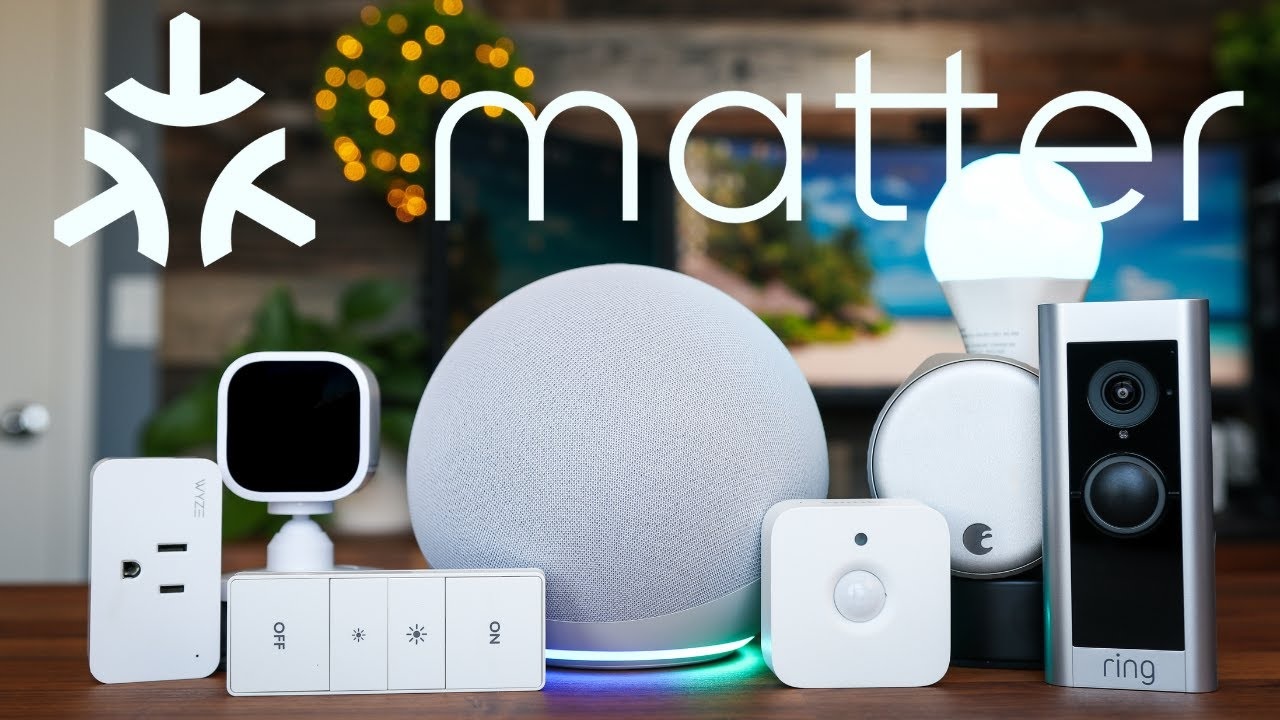
If you have ever tried to build a smart home, you probably experienced this moment: the light bulb says “works with Alexa,” the plug says “works with Google,” and your patience says “works with nothing.”
Enter Matter smart home, the industry’s big promise to fix smart home device compatibility once and for all.
But here we are in 2026. So the real question is:
Does Matter finally deliver, or is it just another smart home standards 2026 buzzword?
In this guide, we will break down:
- Matter protocol explained in plain English
- What Matter-compatible devices actually do well
- Matter vs Zigbee, what is better today
- Real world google nest Matter support and Alexa Matter devices
- A nanoleaf Matter review style breakdown of lighting performance
- The future of Matter smart home and where it still struggles
Let’s start with the foundation.
Matter protocol explained: what it actually is and why it Matters
Before we judge it, we need to understand it.
Matter is a universal smart home connectivity standard designed to make devices work across platforms without brand lock-in. It was developed by major players, including Apple, Google, Amazon, and Samsung, under the Connectivity Standards Alliance.
In simple terms:
Matter is not a device.
Matter is not a hub.
Matter is a language.
It allows:
- Smart lights
- Smart plugs
- Thermostats
- Door locks
- Sensors
To speak the same language across ecosystems like Apple Home, Google Home, and Alexa.
The goal? Buy once, use anywhere.
For years, smart home users had to choose sides. Alexa’s household. Google household. Apple household. Switching ecosystems often meant replacing hardware. That was not exactly consumer-friendly.
Matter attempts to solve that by focusing on smart home device compatibility at the protocol level, not the brand level.
It works over:
- Wi Fi
- Ethernet
- Thread
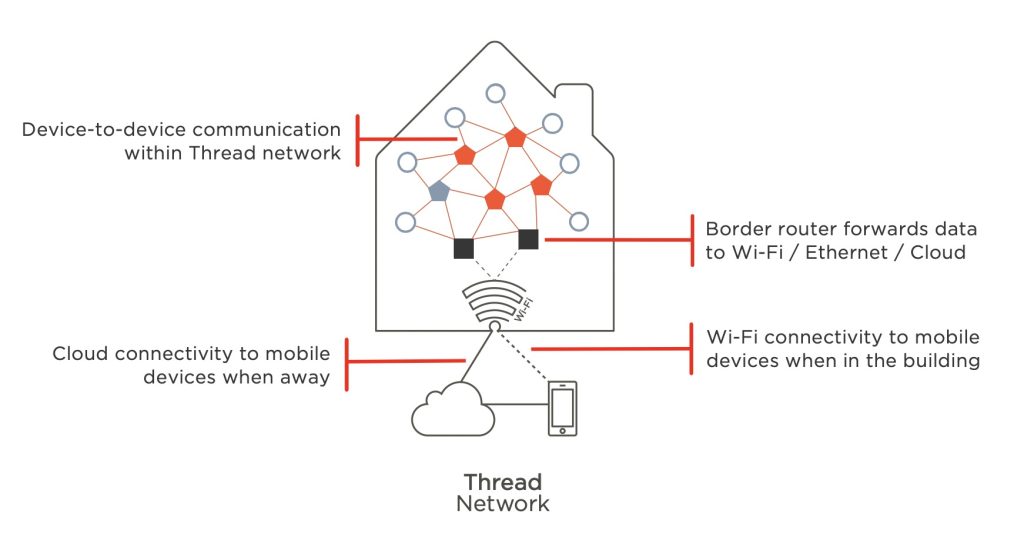
Thread, in particular, plays a big role in reliable low-power mesh networking. Many modern Matter-compatible devices use Thread to improve responsiveness and reduce Wi Fi congestion.
If you are new to home automation and want a broader context, our deep dive into home automation explains how ecosystems evolved before Matter came along.
So in theory, Matter smart home sounds like the hero we have been waiting for.
But theory and living room reality are not always the same thing.
What Matter gets right in 2026
Here is what genuinely works well today:
Cross-platform setup
- Many devices can now be added to multiple ecosystems
- QR code pairing is fast and relatively painless
Local control
- Faster response times
- Less dependence on cloud servers
Basic device categories
- Smart bulbs
- Smart plugs
- Switches
- Sensors
For these core categories, Matter-compatible devices are far more reliable in 2026 than they were at launch.
If your goal is simple, reliable lighting and automation, the experience is noticeably smoother compared to pre-Matter chaos.
Matter vs Zigbee: Which actually performs better in 2026?
Now we get to the smart home debate that refuses to die: Matter vs Zigbee.
If you have been building smart homes for a while, Zigbee probably feels like that reliable old friend. Not flashy. Not trendy. But stable.
Matter, on the other hand, is the ambitious new standard promising to unify everything under one roof.
So which one actually performs better in real homes in 2026?
Let’s break it down clearly
What Zigbee still does extremely well
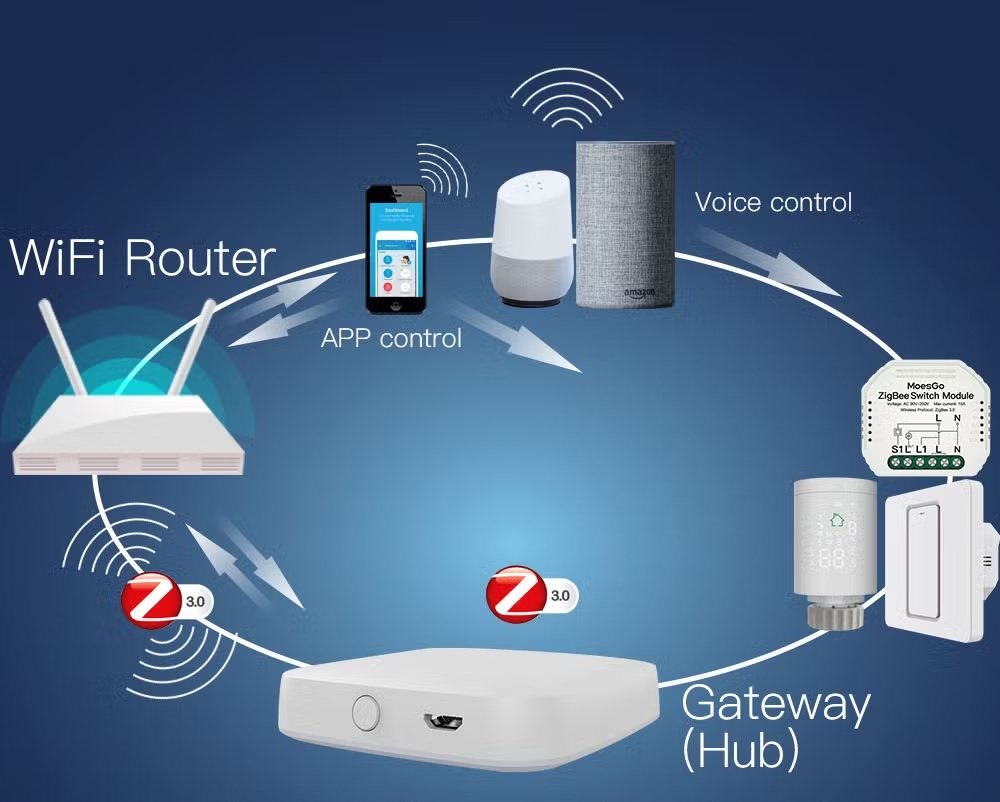
Zigbee has been around for years. It uses low-power mesh networking, meaning devices pass signals to each other, extending range and improving reliability.
Strengths of ZigBee:
- Very stable mesh performance
- Low latency for lighting and sensors
- Mature ecosystem
- Works well in large homes
Many long-time smart home users still rely on Zigbee hubs for critical devices like motion sensors and light switches. In pure reliability tests, Zigbee networks often feel rock solid once configured properly.
The downside?
- Requires a compatible hub
- Not always cross-ecosystem friendly
- Can feel complex for beginners
If you are already deep into Zigbee, switching everything to Matter smart home is not automatically a smart move.
What Matter improves over Zigbee
Matter is not trying to replace Zigbee as a radio technology. Instead, it focuses on unifying control across platforms.
Key advantages of Matter:
- No brand lock-in
- Multi-admin support, meaning devices can connect to multiple ecosystems
- Easier onboarding with QR codes
- Better alignment with smart home standards 2026
Many Matter-compatible devices still use Thread, which is also a mesh protocol, similar in spirit to Zigbee. The difference is that Matter defines the application layer, and the rules and language devices follow.
In real-world use, basic tasks like:
- Turning lights on and off
- Running routines
- Voice commands
Feel just as fast as Zigbee when properly configured.
But there are still limitations.
Where Matter still struggles
Even in 2026, not everything is perfectly smooth.
Current challenges include:
- Limited advanced feature support across platforms
- Inconsistent firmware updates
- Some device categories are not fully supported
- Occasional pairing hiccups
For example, a smart light may support advanced color scenes in one app, but only basic on-off controls in another. That is a smart home device compatibility issue that Matter has not fully solved.
So which should you choose in 2026?
Here is the honest answer:
If you are building from scratch
- Choose Matter-compatible devices when possible
- Look for Thread support
- Ensure your ecosystem supports multi-admin
If you already have a stable Zigbee network
- There is no urgent reason to rip everything out
- Gradual migration makes more sense
If your priority is maximum reliability
- Zigbee is still extremely dependable
If your priority is cross-platform flexibility
- Matter wins long-term
Matter is not a magic wand. But it is the clearest path toward unified smart home standards 2026 and beyond.
Best Matter devices in 2026: what’s actually worth buying
Specs and standards are important, but let’s be honest. Most people just want to know:
What are the best Matter devices right now, and do they actually work across ecosystems?
The good news is that in 2026, the list of reliable Matter-compatible devices is finally growing. The bad news? Not all implementations are equal.
Let’s look at real-world performance.
Smart lighting: where Matter shines brightest
Lighting is where the Matter smart home feels the most mature.
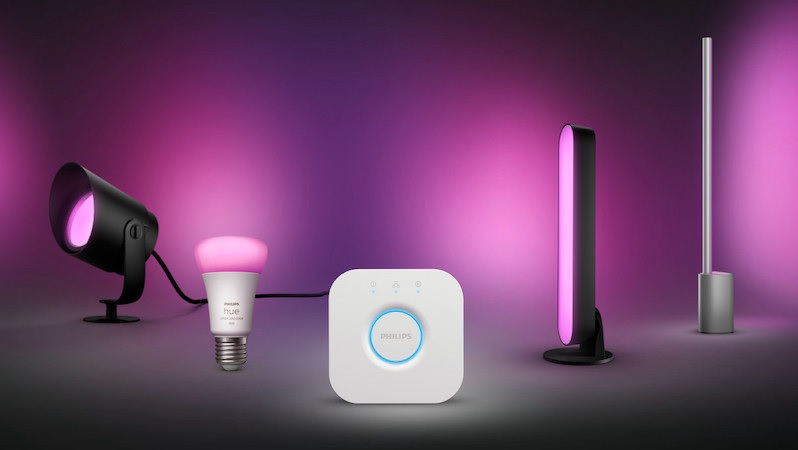
Many major brands now ship bulbs and light strips with native Matter support over Thread. Setup typically involves:
- Scanning a QR code
- Adding to Apple Home, Google Home, or Alexa
- Optionally sharing across platforms
For basic functions like:
- On and off
- Brightness control
- Color temperature
- Scenes
Performance is fast and stable.
Nanoleaf Matter review: a practical look
A nanoleaf Matter review in 2026 generally shows strong performance for:
- Thread connectivity
- Multi-ecosystem support
- Fast response times
Nanoleaf panels and bulbs that support Matter can now be controlled across platforms without complicated workarounds.
However, advanced effects and animations may still be app-specific. This highlights an ongoing issue in smart home device compatibility. Core controls work everywhere. Premium features sometimes do not.
Google Nest Matter support: how good is it?
Google Nest Matter support has improved significantly by 2026.
Many Nest hubs and speakers now act as:
- Matter controllers
- Thread border routers
This means they can:
- Manage Thread-based Matter-compatible devices
- Share devices across platforms
- Reduce cloud dependency
For basic devices like lights and plugs, integration is smooth. Voice commands through Google Assistant feel quick and reliable.
Where things get slightly inconsistent is with advanced device categories such as:
- Cameras
- Doorbells
- Certain security devices
Some features remain ecosystem-specific, even when basic controls are Matter-compatible.
If you are comparing ecosystems more broadly, our battle of the smart home systems article explores how Google, Alexa, and others stack up beyond just Matter support.
Alexa Matter devices: finally catching up
Alexa Matter devices have also matured.
Recent Echo models:
- Support Matter as controllers
- Act as Thread border routers in many cases
- Allow multi-admin sharing
In real-world use, adding a Matter light or plug to Alexa is much easier than pre-Matter integrations.
Voice routines, timers, and automation generally work well. But, like Google, deeper feature sets sometimes remain limited to native brand apps.
If you want creative voice routines and smart morning automations, our guide to making your mornings smarter with Alexa and Google Home at breakfast offers practical ideas that work well with Matter-enabled setups.
What categories still feel limited
Despite progress, some device types are still in early stages of Matter adoption:
- Advanced security systems
- Complex smart appliances
- Some cameras
- Niche smart home gadgets
The future of Matter smart home depends on expanding these categories with full feature parity across ecosystems.
Right now, Matter works best for:
- Lighting
- Plugs
- Switches
- Basic sensors
And works moderately well for:
- Thermostats
- Locks
Everything else is improving, but not fully universal.
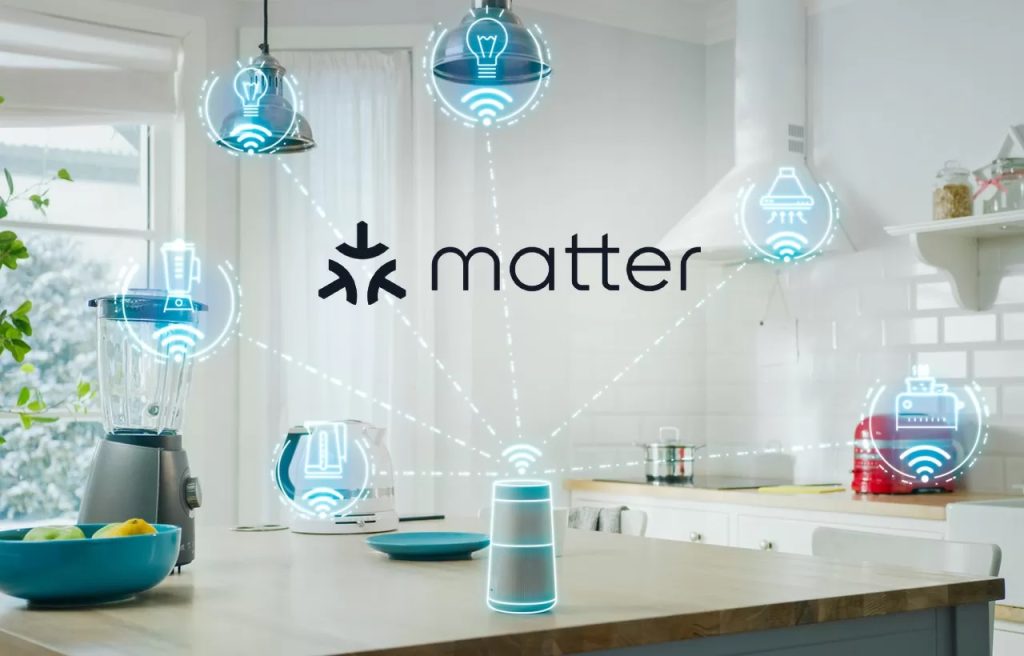
The future of Matter smart home: will it finally unify everything?
So here we are in 2026. Matter is no longer a beta experiment. It is shipping in millions of devices. Major platforms support it. Retail packaging proudly displays the logo.
But is the future of Matter smart home truly universal, or are we heading toward another “almost unified” era?
Let’s zoom out.
Smart home standards 2026: where we stand now
In 2026, the smart home landscape looks like this:
- Matter as the common application layer
- Thread growing as the preferred low-power mesh network
- Wi Fi still powering bandwidth-heavy devices
- Zigbee and Z Wave still active in legacy setups
Matter has become the default choice for new product launches in lighting, plugs, and switches. Most new consumer-focused brands are designing with Matter-compatible devices in mind from day one.
That alone is a major shift compared to just a few years ago.
However, not every manufacturer has fully embraced feature parity across ecosystems. Some still treat Matter as a “basic control layer” while reserving advanced functionality for their own apps.
This means smart home device compatibility is better, but not yet perfect.
If you look at broader trends shaping connected homes, our technology trends 2026 analysis highlights how interoperability is becoming a selling point, not just a technical feature.
What still needs improvement
For Matter to truly dominate, three areas must evolve.
- Advanced feature standardization
Right now, basic controls are universal. Advanced features are not. Future updates need to define richer capabilities across platforms.
- Security device expansion
Cameras, doorbells, and complex alarm systems still rely heavily on proprietary integrations. Matter support is growing, but not comprehensive. - Consumer education
Many users still do not understand what Matter actually does. Packaging clarity and in-app guidance need improvement.
Without these upgrades, Matter risks becoming “good enough” rather than transformative.
Will Zigbee disappear?
Unlikely.
Matter vs Zigbee is not a winner-takes-all battle. Instead, we are seeing coexistence.
Zigbee remains deeply embedded in many ecosystems. Some Matter-compatible devices internally rely on technologies inspired by Zigbee and Thread mesh networking concepts.
Over time:
- New devices will likely prioritize Matter
- Existing Zigbee networks will continue running for years
Smart homes are not replaced overnight. They evolve gradually.
Is Matter ready for mainstream users?
For new homeowners or apartment renters building from scratch, yes, mostly.
If your setup focuses on:
- Lighting
- Smart plugs
- Basic sensors
- Voice assistants
A Matter smart home in 2026 is significantly less frustrating than pre-Matter ecosystems.
Pair that with good Wi-Fi optimization, as discussed in our tips for boosting your Wi-Fi speed at home guide, and performance becomes even more stable.
For power users with complex automation rules and niche devices, Matter still feels like version 2.0 of a longer journey.
Practical advice: Should you invest heavily in Matter now?
Here is the balanced answer.
If you are starting fresh
Choose Matter-compatible devices whenever possible. It increases long-term flexibility.
If you already own Zigbee or ecosystem-locked devices
Do not panic upgrade. Expand gradually with Matter-ready products.
If you are building a future-proof home
Focus on devices that support Thread and multi-admin. That aligns best with smart home standards 2026 and beyond.
Matter is not hype anymore. It is functional. It is improving. It is not perfect.
But compared to the chaos of early smart home days, it feels like we finally have a shared language instead of brand silos arguing in the dark.
FAQs:
What is Matter in a smart home?
Matter is a universal smart home standard that allows Matter-compatible devices to work across platforms like Apple Home, Google Home, and Alexa. Instead of being locked into one ecosystem, devices can be shared and controlled across multiple systems using a common protocol.
Is Matter better than Zigbee?
Matter vs Zigbee is not a simple winner and loser comparison. Zigbee is extremely reliable and mature, especially for large mesh networks. Matter focuses on cross-platform smart home device compatibility and easier setup. For new installations, Matter offers better flexibility. For existing Zigbee networks, stability is still excellent.
Do Google Nest devices support Matter?
Yes, Google Nest Matter support has expanded significantly. Many Nest hubs and speakers act as Matter controllers and Thread border routers, allowing you to manage Thread-based Matter-compatible devices and share them across ecosystems.
Do Alexa devices support Matter?
Yes, Alexa Matter devices now include many Echo models that act as Matter controllers. You can add Matter lights, plugs, and switches directly to Alexa and share them across supported ecosystems.
What are the best Matter devices in 2026?
The best Matter devices in 2026 are typically smart lights, smart plugs, and basic sensors with Thread support. Lighting brands like those featured in a typical Nanoleaf Matter review show strong performance, especially for core features like brightness and color control across platforms.
Is Matter the future of smart homes?
The future of Matter smart home looks strong, especially as smart home standards 2026 increasingly prioritize interoperability. While advanced features and some device categories still need refinement, Matter is becoming the default foundation for new smart home products.
