

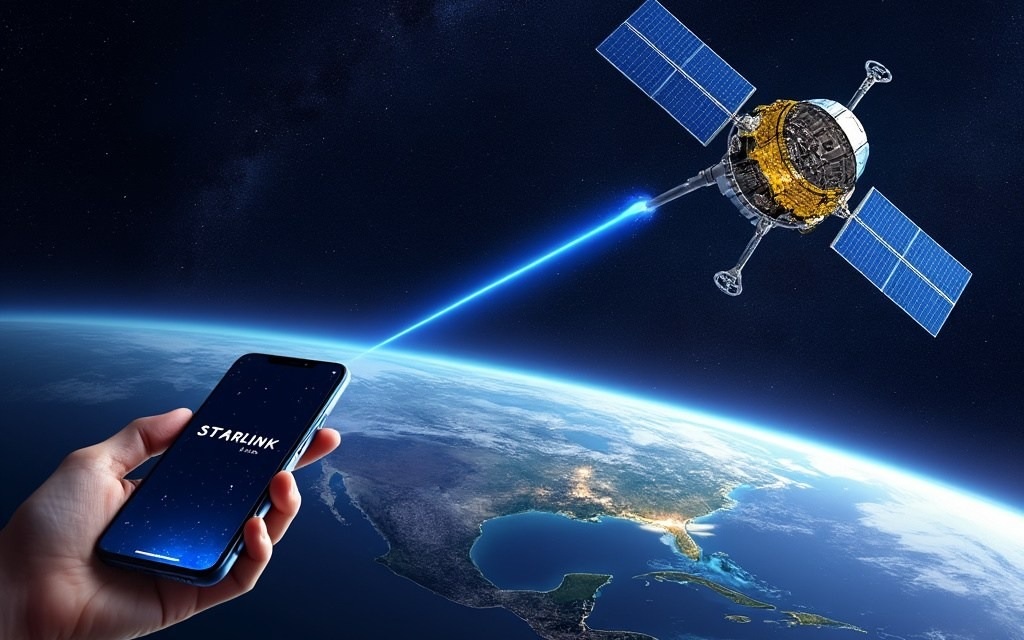
Introduction: from survival tool to everyday feature
Once upon a time, carrying a satellite phone felt like lugging around a prop from a 90s spy flick – bulky, pricey, and useful only if you were scaling the Himalayas or sailing somewhere your GPS politely labels as “good luck.” Fast-forward to 2025 and the story has completely flipped. Thanks to the rise of low Earth orbit satellite phones, satellite connectivity is sneaking its way into everyday smartphones, quietly becoming the safety net you hope you never need – but definitely want.
What used to be a luxury accessory for explorers has turned into a practical must-have for regular folks. With climate events, remote work, and global travel becoming part of normal life, having a connection when cell towers tap out is no longer optional. Big players and LEO networks – especially the rapidly expanding Starlink satellite phone service – are rewriting the rules of staying connected, making “no signal” feel more like an old relic than a modern frustration.
The rise of low Earth orbit satellite phones
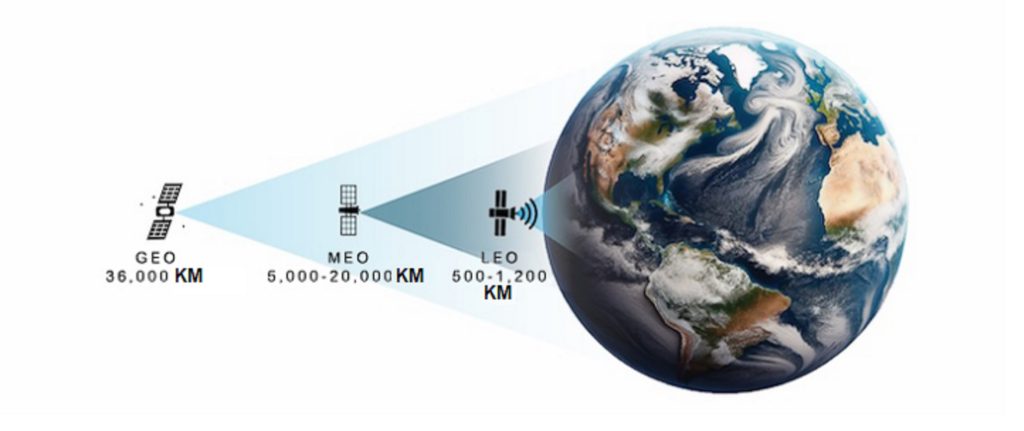
The real magic behind satellite phones finally becoming useful in 2025 comes down to three little letters: LEO – low Earth orbit. Traditional satellites used to hang out 35,000 kilometers above the planet, which is great for weather maps but terrible for phone calls. Talking through those networks often felt like sending your voice on a small vacation before it came back with souvenirs and a noticeable delay.
LEO satellites flipped the script. Orbiting a breezy 500–2,000 kilometers above Earth, these speedy space messengers whip around the planet in minutes. That means quicker signal handoffs, far lower latency, and – best of all – none of that “Am I talking to a robot or is that just my echo?” energy. Suddenly, satellite communication devices can handle real-time voice, texts, and even light data without feeling like a retro sci-fi experience.
In 2025, big names like SpaceX’s Starlink satellite phone service, Iridium, and Globalstar are sprinting to expand global coverage. Starlink has even teamed up with major smartphone manufacturers, quietly hinting that satellite connectivity might soon sit on your spec sheet right between Wi-Fi and Bluetooth – no giant antennas required.
And this shift isn’t just a win for adventure junkies. Remote workers, emergency responders, rural communities, and businesses off the beaten path are realizing something huge: LEO-powered satellite phones aren’t backup gadgets anymore. They’re becoming everyday lifelines.
Satellite phone vs cellular phone: where each shines in 2025
For most of tech history, comparing a satellite phone to a cellular phone was like comparing a Swiss Army knife to a lightsaber – one’s rugged and useful in the wilderness, the other is sleek, fast, and definitely winning on style points. Cellular networks dominated daily life, while satellite phones were reserved for mountaineers, ocean explorers, or the occasional undercover agent who couldn’t risk saying, “Sorry, no bars out here.”
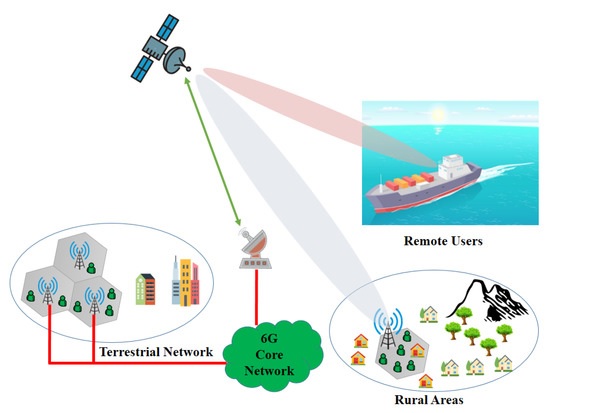
But fast-forward to 2025 and the matchup suddenly feels a lot less one-sided. Sure, cellular networks still rule anywhere humans actually live – with blazing-fast 5G (and early 6G whispering its way into the mainstream). But cellular coverage only stretches as far as the towers go. And beyond those invisible borders lie billions of people, thousands of remote work sites, and more “dead zones” than a zombie movie marathon.
That’s where modern low Earth orbit satellite phones come in. These LEO-powered devices jump into action the moment your phone gives up, filling in the communication gaps traditional networks can’t touch.
Here’s a snapshot of how the two stack up today:
| Feature | Cellular Phone | Satellite Phone |
| Coverage | Great in cities & suburbs | Global – even oceans, deserts, and polar regions |
| Speed | High with 5G and emerging 6G | Moderate, but improving fast with LEO networks |
| Latency | Very low | Slight, but no longer conversation-breaking |
| Battery life | Standard | Often longer due to rugged, efficient hardware |
| Cost | Affordable plans | Still premium, but dropping quickly |
| Ideal use | Everyday communication | Emergencies, remote sites, travel, disaster zones |
In short: cellular phones rule the concrete jungle, but satellite phones remain kings of the wilderness. And the real excitement in 2025 is the hybrid future – where your everyday smartphone quietly switches to satellite mode the moment cell service disappears. With Apple, Samsung, and Google all testing direct-to-satellite features, your next phone might be the first true multi-network communicator you’ve ever owned.
Emergency satellite phones: saving lives when networks fail
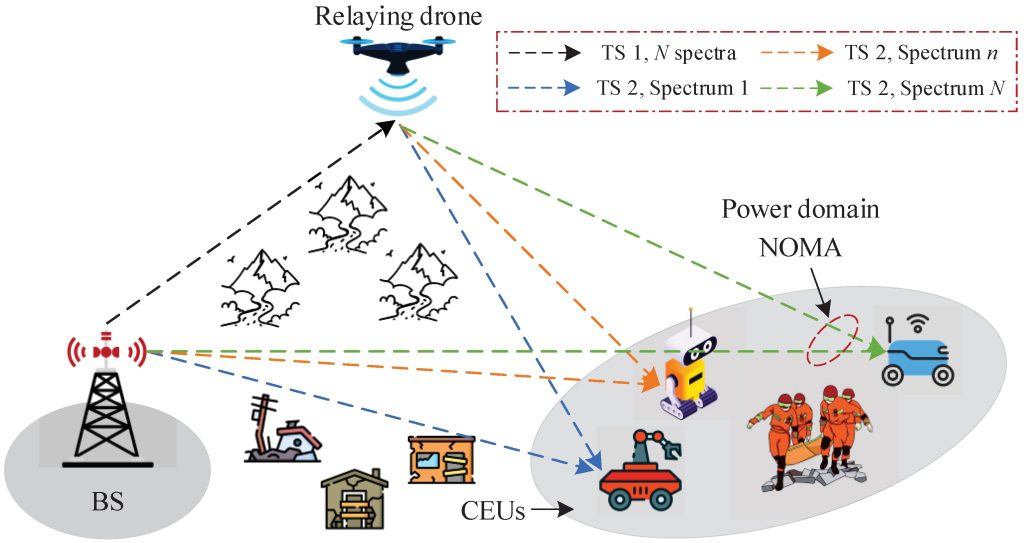
When disaster hits, cell towers tend to drop faster than your phone battery on 1 percent. Earthquakes, hurricanes, wildfires – they all have a way of turning entire cities into communication dead zones within seconds. And when the bars vanish, so does the ability for families, rescuers, and first responders to coordinate anything. That’s exactly where emergency satellite phones swoop in, acting as the ultimate “break glass in case of chaos” communication lifeline.
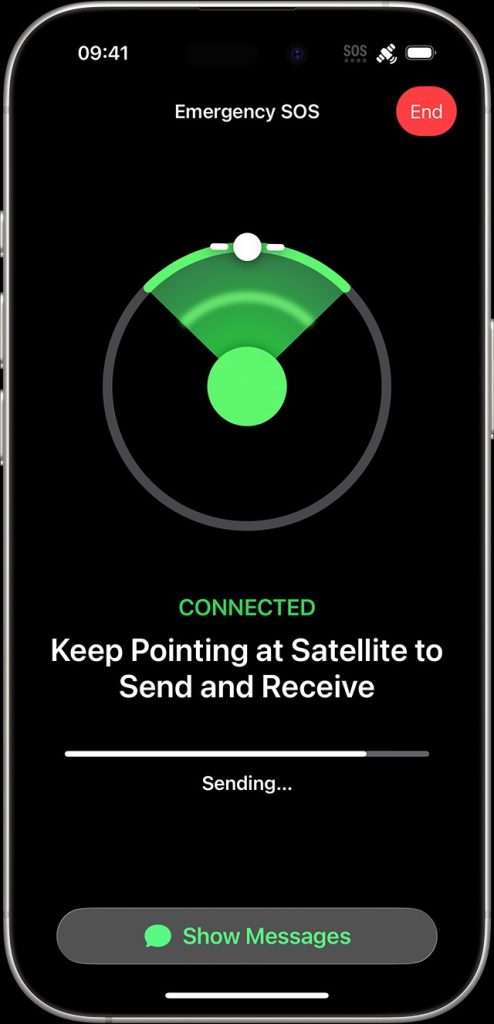
But here’s the good news: in 2025, emergency satellite phones aren’t the chunky survival bricks they used to be. They’ve gone through a glow-up. They’re smarter, lighter, and in many cases, already baked into devices you’re carrying right now. Apple kicked off the trend with Emergency SOS via satellite, and Android manufacturers quickly joined the party, adding satellite texting and distress-call features to their flagship phones.
Governments and humanitarian groups are stocking up too – because unlike cellular phones that cry for help when towers fall, satellite phones talk directly to orbiting satellites. No towers. No ground infrastructure. No problem. If the sky is visible, you can reach someone.
Thanks to LEO networks reducing delays, responders can now send real-time coordinates, short messages, and even quick photos – a massive upgrade from the old days when you’d get a fuzzy “copy that” and hope it actually got copied.
And for hikers, sailors, RV nomads, and anyone who enjoys wandering outside the boundaries of Google Maps, emergency satellite phones are becoming the must-have safety net. No matter how far off-grid you roam, help stays one message away.
Starlink satellite phone service and the future of global connectivity
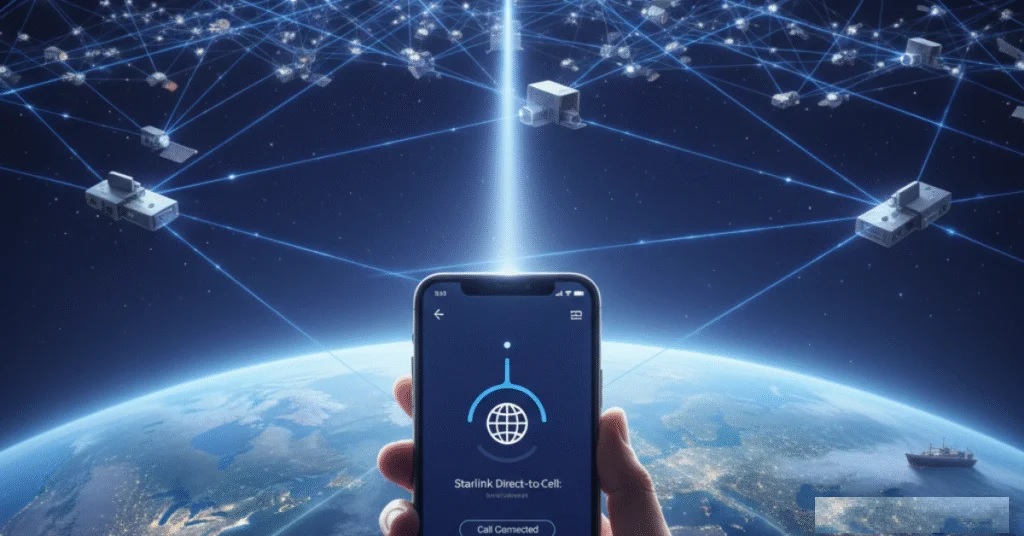
If there’s one name stealing the spotlight in 2025’s satellite communication world, it’s Starlink. What started as “that company giving people internet with a pizza-sized dish” has evolved into a full-on powerhouse of mobile satellite connectivity. The long-teased Starlink satellite phone service has begun rolling out in select regions, tapping into one of the largest LEO constellations on the planet – and merging it straight into the smartphones we already own.
Unlike old-school satellite systems that demanded chunky, walkie-talkie-looking phones, Starlink is going for pure convenience: no special hardware, no brick-shaped handset, and no antenna that makes you look like you’re trying to talk to Mars. Instead, Starlink partners directly with top smartphone brands and carriers, letting your everyday phone quietly transform into a mini ground station when cellular coverage disappears. Texting, sharing coordinates, sending SOS messages, and even accessing limited satellite data all happen seamlessly in the background.
The real magic isn’t the coverage – it’s the reliability. For remote workers, travelers, off-grid explorers, and emergency services, staying connected without switching devices is a game-changer. And for rural communities that carriers forgot about somewhere around 2003, Starlink’s LEO-powered service finally brings consistent, if modest, connectivity that actually works.
And Starlink’s arrival hasn’t just created excitement – it’s created pressure. Competitors like Iridium, Globalstar, and Thuraya are scrambling to upgrade services, redesign devices, and roll out more flexible satellite phone plans. Translation: more competition, better prices, smarter devices, and faster integration with consumer smartphones.
For the first time ever, satellite communication isn’t hovering on the fringe. It’s marching straight into the mainstream.
Satellite phone plans: are they finally affordable?
Here’s the plot twist nobody expected a decade ago: satellite phone service is no longer priced like you’re trying to rent bandwidth from deep space. Thanks to the rise of low Earth orbit networks and a whole lot of competition, satellite phone plans in 2025 are finally sliding into the same price neighborhood as premium cellular plans.
If you’re just looking for a basic safety net, satellite text-only plans now start around $10–$15 per month. These give you a handful of messages for emergencies or low-volume communication – perfect for hikers, road trippers, or anyone who occasionally wanders beyond the reach of civilization (or cell towers).
If you need a little more muscle, mid-range plans with voice support and higher messaging limits typically land between $40 and $90 per month, depending on the provider. These are the sweet-spot plans for remote workers, frequent travelers, and anyone who wants real communication without selling a kidney.
For people who live in the wilderness, work in remote industries, or run emergency-response operations, unlimited satellite bundles are available too. These usually cost $100 to $250 per month, offering full messaging and voice – and the priceless ability to contact the world from literally anywhere.
And if commitment isn’t your thing, the pay-as-you-go model is booming. Just buy satellite credits when you need them and ignore them when you don’t. It’s ideal for once-a-year adventurers who don’t want to pay monthly fees for 11 months of indoor living.
With Starlink, Iridium, Globalstar, and a growing list of regional players all battling for market share, prices are expected to keep dropping throughout the decade – meaning satellite connectivity is finally heading toward mainstream affordability.
Best satellite phones and devices to watch in 2025
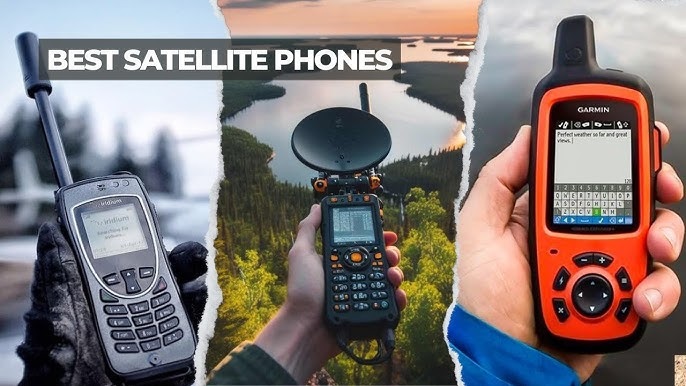
Satellite connectivity is finally stepping into the spotlight, and 2025 is packed with devices that blur the line between rugged satellite phones and the smartphones we use every day. Whether you’re gearing up for an Arctic expedition or you just want a safety net during power outages, this year’s lineup brings something for every user – and every budget.
Here are some standout contenders leading the best satellite phones lineup this year:
- iPhone 16 Pro (Emergency SOS via satellite 2.0)
Apple’s latest satellite upgrade goes beyond emergencies, adding short text messaging and real-time location sharing. It’s so seamless you forget it’s a satellite feature at all – exactly the point.
- Samsung Galaxy S25 Ultra (LEO-ready model)
Samsung’s flagship now supports direct-to-satellite texting thanks to its Starlink partnership. With coverage in 80+ countries, it’s a powerhouse for professionals who spend more time off the grid than on it.
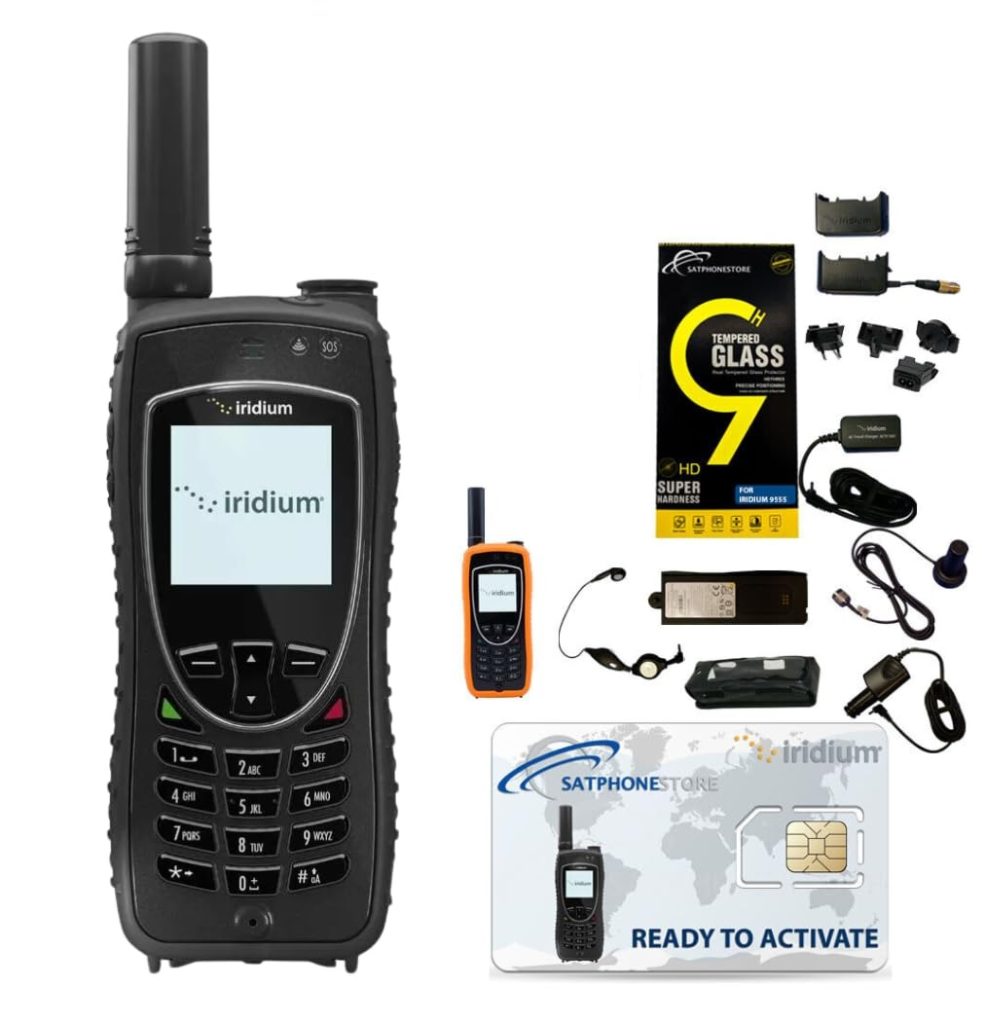
- Iridium Extreme 9575
Still the gold standard for serious explorers. Built to survive almost anything, it offers true global coverage, rock-solid durability, and best-in-class GPS tracking. If your adventures take you where maps fade, this is your trusted companion.
- Motorola Defy 2 with Bullitt Satellite Connect
A true hybrid device that bridges smartphone convenience with satellite reliability. With Bullitt Satellite Connect, users get messaging and SOS alerts without needing a separate satellite handset – perfect for field engineers and adventure travelers.
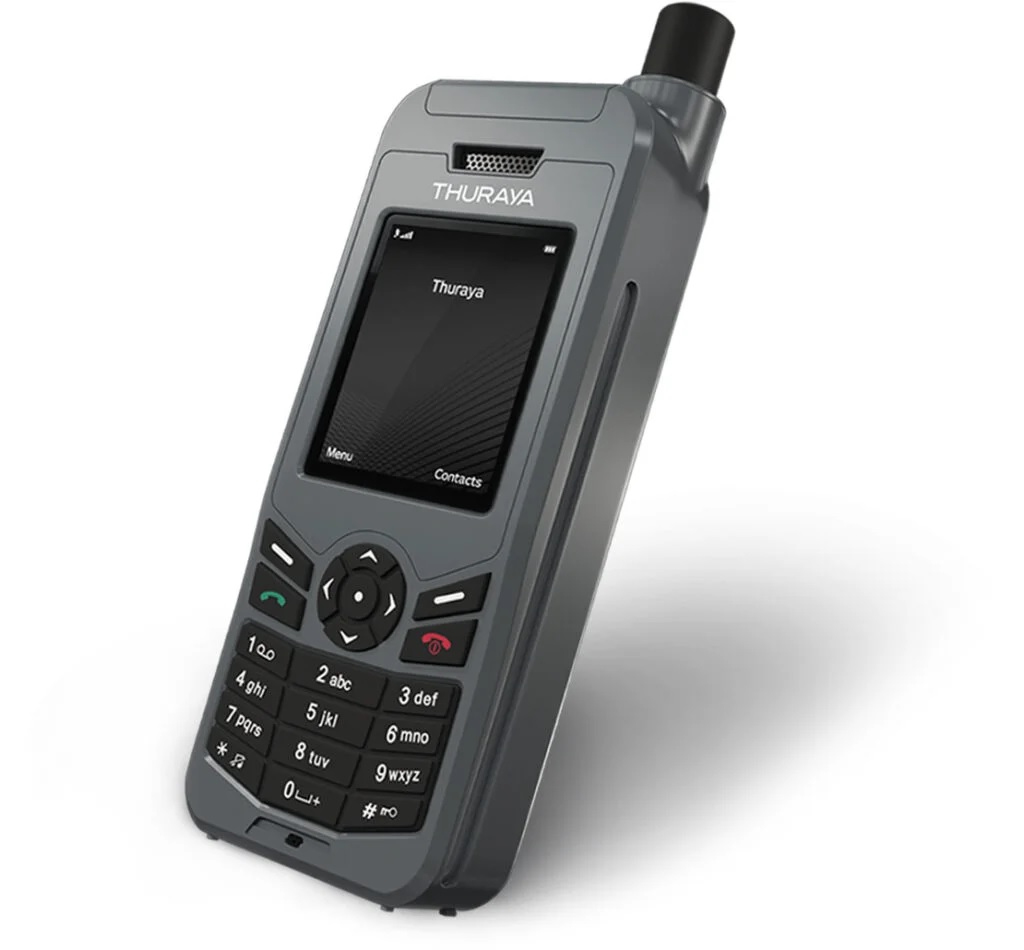
- Thuraya XT-LITE
If you need satellite reliability without the premium price tag, Thuraya’s XT-LITE delivers. It’s a dependable voice-and-SMS device with strong coverage across Europe, Africa, and Asia.

These hybrid and satellite-enabled devices are redefining what “off the grid” means. And with more smartphones adopting both cellular and satellite chips, 2025 is shaping up to be the year satellite connectivity becomes mainstream.
The evolving satellite phone market in 2025
Not long ago, the satellite phone market felt like a secret club for explorers, emergency responders, and the occasional extreme adventurer. Fast forward to 2025, and it’s transformed into a booming global ecosystem worth billions – powered by the collision of telecom innovation, space tech, and our growing obsession with staying connected everywhere.
Analysts expect the satellite communication devices market to top $7 billion this year. And the user base isn’t just hardened mountaineers. Farmers, logistics operators, offshore crews, remote workers, and even digital nomads are now joining the satellite connectivity wave.
Several big trends are reshaping the market landscape:
Mainstream smartphone integration
Apple, Samsung, and Google are baking satellite connectivity right into their flagship models. Instead of carrying a chunky satellite phone as a backup, your everyday smartphone becomes a multi-network communicator.
Enterprise adoption is soaring
Industries like mining, shipping, aviation, and energy now rely on satellite coverage as a core part of daily operations – not a backup plan.
Government and regulatory support
Many governments are fast-tracking satellite licensing, pushing for stronger disaster-readiness infrastructure and resilient communication networks.
Smaller hardware, smarter chips, lower prices
Miniaturized antennas and LEO networks have slashed manufacturing costs. Satellite devices are lighter, sleeker, and more affordable than ever.
The best part? Healthy competition. Starlink’s entry into the satellite phone market has sparked a pricing and innovation race, forcing legacy titans like Iridium, Inmarsat, and Thuraya to step up their game. For once, consumers come out on top – enjoying better plans, better hardware, and better coverage.
Satellite connectivity for remote areas: changing lives and economies
For decades, remote communities have been stuck in a digital blackout – no reliable internet, no online education, and no easy way to communicate with the outside world. But 2025 is turning the page. Thanks to expanding satellite coverage and low Earth orbit constellations, rural and hard-to-reach regions are finally getting a seat at the digital table.
Across places like Alaska, rural America, Australia’s outback, and remote parts of Africa, a satellite phone for remote areas isn’t just a handy gadget – it’s an economic lifeline.
Farmers track weather and crop data. Remote clinics use satellite communication devices to run telehealth consultations. Even tiny village schools can now access global educational platforms.
The blending of cellular and satellite networks is helping local businesses join the global economy instead of being limited by geography. This shift is more than technological – it’s deeply social. Reliable communication leads to better healthcare, faster disaster response, stronger education, and more job opportunities.
Starlink’s massive coverage push – along with rising competitors like Amazon’s Project Kuiper – is speeding up this revolution. More competition means lower prices and wider access, bringing us closer to a world where no community is digitally left behind.

Challenges ahead for satellite communication devices
As exciting as satellite connectivity has become, 2025 isn’t all smooth orbits and seamless signals. Satellite communication devices still face several very real challenges before they can match the convenience and universality of traditional smartphones.
Here’s where the road gets a little bumpy:
1. Cost and accessibility remain hurdles
Satellite phone plans are cheaper than ever, but they’re still far from universally affordable. Hardware prices remain high thanks to the specialized antennas and chips needed for stable satellite links. Many hybrid smartphones also charge an extra monthly fee for satellite access, slowing adoption in lower-income regions.
2. Data limitations are still a thing
LEO networks have dramatically improved speeds, but we’re not at full satellite broadband yet. For now, most satellite connections prioritize SOS, messaging, and basic voice – not Netflix marathons or high-speed browsing. Heavy data use simply isn’t practical.
3. Regulatory complexity slows global rollout
Every country has its own quirks around satellite spectrum, licensing, and device imports. That makes global expansion tricky, especially for newer entrants like the Starlink satellite phone service and Project Kuiper.
4. Battery and hardware trade-offs exist
Talking to satellites hundreds of kilometers above Earth uses more power than pinging a nearby cell tower. While devices are getting more efficient, users still face a trade-off between performance and battery life.
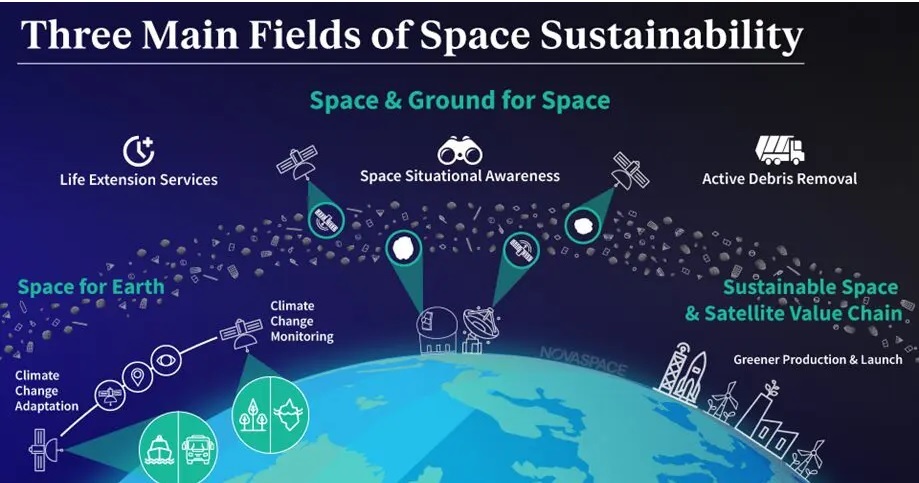
5. Space congestion is becoming a real concern
The surge in LEO satellites has sparked new worries about orbital overcrowding, debris, and long-term sustainability. With thousands of satellites already in orbit, space traffic management is now a must, not a maybe.
In short, satellite communication is climbing fast – but turbulence remains. Overcoming these challenges will determine how quickly satellite connectivity evolves from premium feature to everyday default.
What the future holds: towards a truly connected planet
If 2024 was the teaser trailer, then 2025 is the feature film for satellite connectivity. The tech has officially leveled up from “cool niche gadget” to a core part of global communication infrastructure – and the future looks even more futuristic.
Experts predict that by 2027, more than half of all new smartphones will ship with built-in satellite support. That means seamless roaming between cellular, Wi-Fi, and satellite networks. No more watching your signal disappear the moment you step off the grid – whether you’re crossing deserts, exploring the Arctic Circle, or wandering deep into forest trails.
We’re heading toward a world where satellite and terrestrial networks merge into one continuous communication fabric. Next-gen LEO constellations will deliver higher bandwidth, lower latency, and even direct-to-device video calls – yes, actual video calls via satellite.
And the impact goes far beyond consumer convenience:
- Smart cities will use satellite links for redundancy.
- Autonomous transport will rely on resilient, global positioning and communication.
- Energy grids and remote infrastructure will stay connected even during outages.
- Disaster-prone regions will maintain emergency networks when everything else fails.
- Humanitarian missions will respond faster, with more real-time data.
But the big picture depends on collaboration. Governments, private companies, and regulators will need to work together to expand coverage responsibly and avoid turning low Earth orbit into a cosmic traffic jam.
At its heart, the satellite revolution of 2025 isn’t just about stronger signal bars – it’s about closing the world’s last digital gaps and giving every community, everywhere, a true voice online.
Conclusion: 2025 – the year satellite connectivity became truly useful
For years, satellite phones felt like something out of a spy thriller – cool, rugged, but definitely not something you’d toss into your everyday carry. But 2025 has officially flipped the script. Thanks to LEO satellite constellations, smarter devices, and far more affordable satellite phone plans, satellite connectivity is stepping into the mainstream.
We’ve entered an era where location no longer dictates connection. Whether you’re standing in Times Square or trekking through the Sahara, your phone can stay online – seamlessly switching between cellular and satellite networks as needed. With the Starlink satellite phone service leading the charge and major brands like Apple and Samsung fully onboard, the walls between land, sea, and sky are finally breaking down.
Sure, a few challenges remain – pricing, regulation, and orbital sustainability aren’t small issues – but the momentum behind satellite communication is undeniable. It’s no longer a backup system; it’s rapidly becoming a pillar of next-generation connectivity.
In short, 2025 is the year satellite connectivity finally earned its place in your pocket.
FAQs: everything you need to know about satellite connectivity in 2025
- What is a low Earth orbit satellite phone?
A low Earth orbit (LEO) satellite phone connects to satellites orbiting between 500 and 2,000 kilometers above the Earth’s surface. Because they’re much closer than traditional satellites, they offer faster, more stable connections for voice and text – making communication smoother and more practical for regular users. - Is the Starlink satellite phone service available worldwide?
As of 2025, the Starlink satellite phone service is in early rollout stages across select regions in North America, Europe, and parts of Asia-Pacific. Global availability is expected to expand by late 2026 as more satellites and ground stations come online. - How are satellite phones different from cellular phones?
Satellite phones communicate directly with orbiting satellites instead of ground-based cell towers. This gives them near-global coverage, even in oceans, deserts, or disaster zones. Cellular phones rely on nearby towers, making them faster in urban areas but useless without infrastructure. - What are the best satellite phones to buy in 2025?
Some of the best satellite phones in 2025 include the iPhone 16 Pro with satellite SOS, Samsung Galaxy S25 Ultra, Iridium Extreme 9575, Motorola Defy 2, and Thuraya XT-LITE. These devices combine durability with modern features and expanding coverage options. - Are satellite phone plans still expensive?
Satellite phone plans have become much more affordable. Users can now choose between pay-as-you-go, hybrid, or emergency-only subscriptions. Some carriers even bundle satellite coverage with regular mobile plans for a small monthly fee. - Will satellite connectivity replace mobile networks?
Not quite. Satellite connectivity is meant to complement, not replace, cellular networks. In the future, smartphones will automatically switch between cellular and satellite connections to provide uninterrupted coverage anywhere on Earth.
