

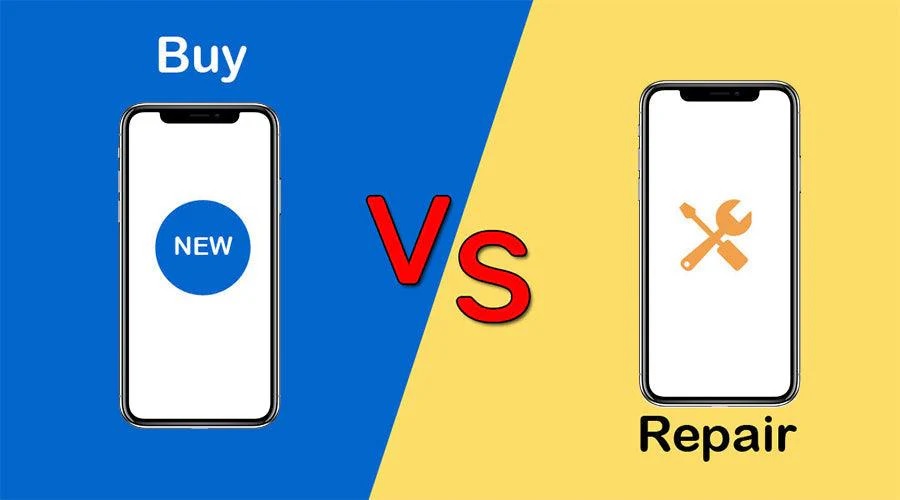
Why smartphone repairability suddenly matters
Smartphone repairability vs upgrades explained is no longer a nerdy side debate, it’s a real financial decision for everyday users. Phone prices keep climbing, upgrades feel smaller each year, and repair bills can be shockingly high. One cracked screen or a tired battery can push people toward buying new when a simple fix might extend a phone’s life by years.
At the same time, manufacturers are making slimmer designs, stronger marketing promises, and less repair friendly hardware. So the big question becomes simple but expensive: repair phone or buy new? This guide breaks down repair costs, upgrade value, durability scores, and practical phone longevity tips so you can make the smarter call without guesswork.
Understanding smartphone repairability and why it matters
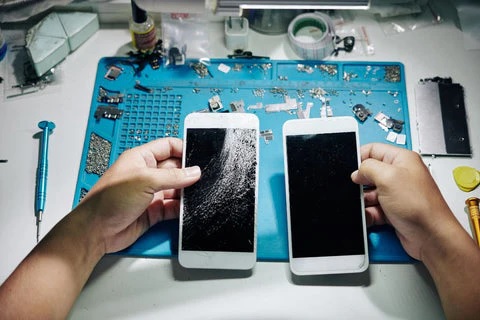
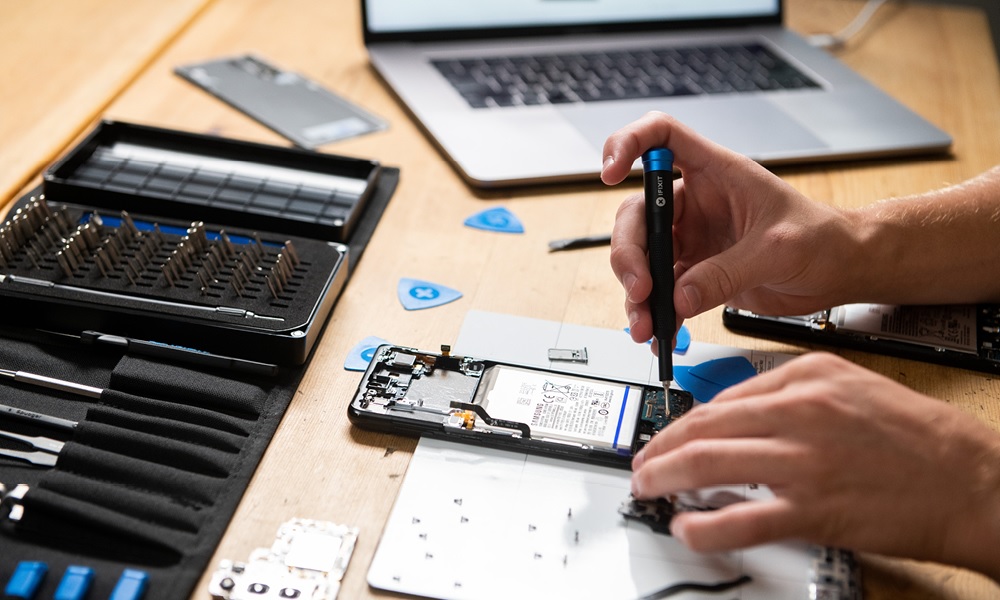
Smartphone repairability refers to how easy it is to fix common problems like cracked screens, worn out batteries, broken charging ports, or damaged cameras. It’s not just about whether repairs are possible, but how affordable, time consuming, and realistic they are for regular users.
In the real world, repairability is shaped by a few practical factors:
- How many parts are glued instead of screwed
- Whether replacement parts are available
- If repairs require special tools or software locks
- How modular the phone’s internal design is
This is why teardown based smartphone repair scores exist. Groups like iFixit open phones, take them apart, and rate how repair friendly they are. A higher score usually means lower labor costs, easier battery swaps, and fewer headaches if something breaks.
The problem is that many modern phones are optimized for looks, not longevity. Ultra thin designs, sealed batteries, and fragile glass backs make even minor damage expensive. That’s why people often face a frustrating situation where phone screen repair cost or phone battery replacement cost feels unreasonably close to buying a brand new device.
Phone screen repair cost and battery replacement cost explained
For most users, repair decisions come down to two common problems: cracked screens and worn out batteries. These are also the repairs that trigger the “maybe I should just upgrade” thought process.
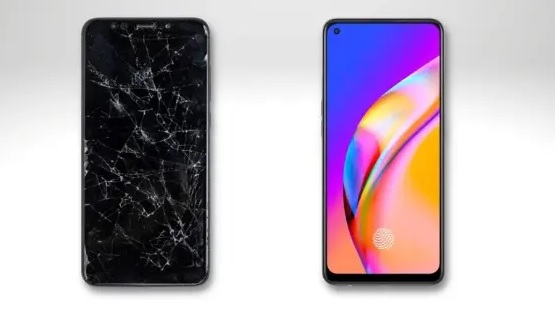
Phone screen repair cost varies wildly depending on brand and model. Mid range Android phones often cost far less to fix because screens are easier to access and parts are cheaper. Flagship phones with curved OLED panels, face recognition sensors, or under display fingerprint readers can turn a simple crack into a painful bill. In some cases, screen repairs cost more than half the phone’s original price.
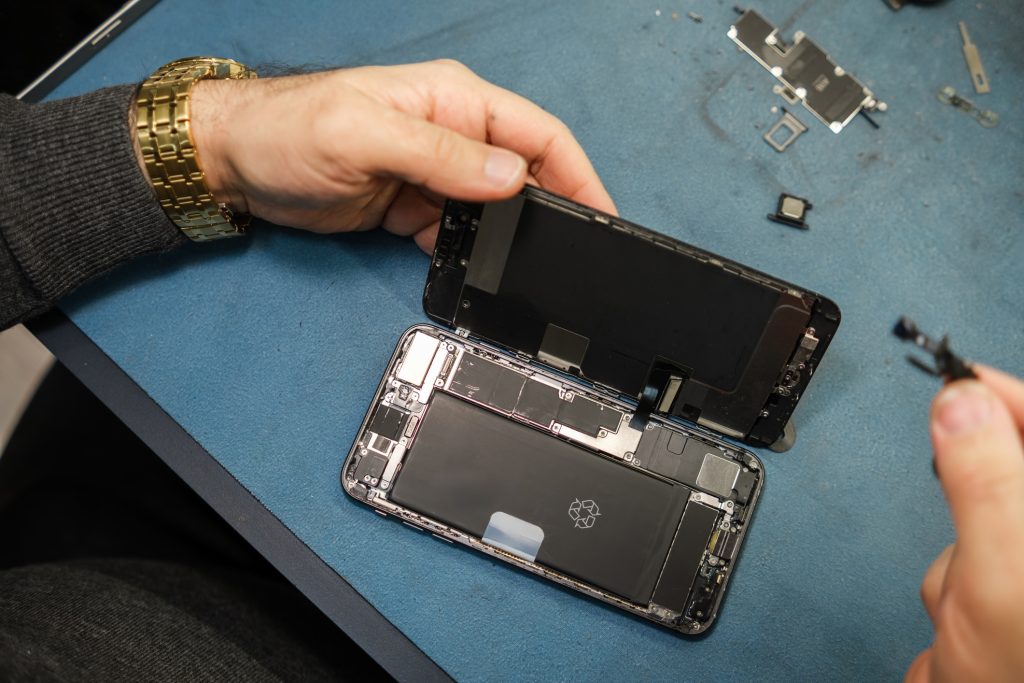
Battery replacement is usually cheaper, but modern designs complicate things. Sealed batteries glued to frames increase labor time and risk. Even when the phone battery replacement cost looks reasonable on paper, the repair may not be available at all local shops. This pushes users toward official repair centers, where prices are typically higher.
The real frustration comes when repairs feel artificially expensive. Software pairing, serialized parts, and restricted diagnostics can make third party repairs harder or less reliable. When fixing a phone becomes inconvenient or uncertain, upgrading starts to feel like the safer option, even if it’s not the smartest one financially.

iFixit phone repairability scores and what they really tell you
When people talk about smartphone repair scores, they’re usually referring to ratings published by iFixit. These scores are based on detailed teardowns where experts evaluate how easy a phone is to open, replace parts, and reassemble without damage.
High scores generally mean:
- Batteries can be replaced without destroying the phone
- Screens are accessible without removing half the internals
- Standard screws are used instead of glue everywhere
- Replacement parts are easier to source
Low scores often signal phones designed for looks rather than long term ownership. Excessive glue, fragile cables, and serialized components can turn simple fixes into risky procedures.
That said, repairability scores are not a perfect buying guide. A phone with a lower score might still be durable enough that you never need repairs. Meanwhile, a highly repairable phone with poor build quality could still end up costing you money. The scores work best as a warning label, not a verdict.
If you care about keeping a device for several years, checking repairability before buying can save you from future regret. It’s one of the few ways to predict whether a phone will age gracefully or become e-waste the moment something goes wrong.
Repair phone or buy new: how to make the right decision
Deciding whether to repair a phone or buy new isn’t just about emotions or upgrade hype, it’s a cost-benefit calculation disguised as a lifestyle choice. The smartest decision usually comes down to timing, repair cost, and how much value your current phone still delivers.
Repairing makes sense when:
- The phone is less than three years old
- Performance is still smooth for daily tasks
- Repair costs are under 30 to 40 percent of the phone’s original price
- The issue is limited to screen or battery wear
Upgrading becomes more reasonable when:
- Multiple components are failing
- Software updates are ending soon
- Repairs approach the cost of a newer model
- New features solve real problems you have
A common trap is upgrading too early. Many users replace phones that still perform well simply because repair pricing feels intimidating. In reality, a battery replacement can often restore a phone’s usability for another year or two, delaying a very expensive purchase.
On the flip side, pouring money into an aging device with limited update support can be like fixing a car that won’t pass emissions next year. It runs, but not for long. Knowing when to walk away is just as important as knowing when to repair.
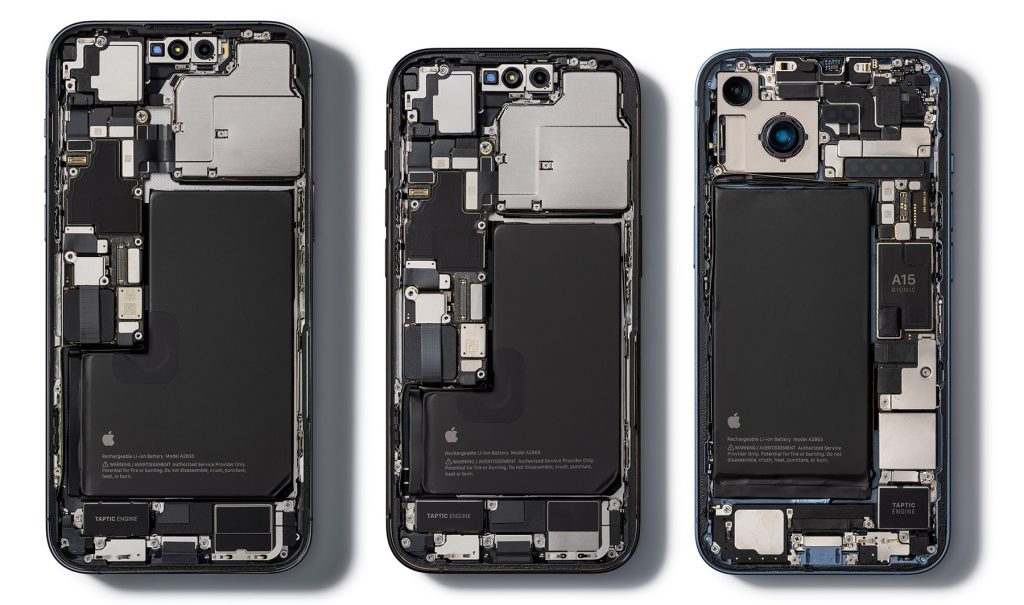
iPhone 16 repairability and what it signals for future phones
The conversation around iPhone 16 repairability highlights a bigger shift in the smartphone industry. With growing pressure from right to repair laws and consumer backlash, manufacturers are slowly adjusting how phones are built, even if progress feels cautious.
Apple, through Apple, has started making small but meaningful changes in recent generations. These include redesigned internal layouts, easier access to certain components, and official support for self service repairs. While the iPhone 16 is still far from being “easy” to fix, it signals that repairability is no longer being completely ignored.
That said, premium phones still come with premium repair pricing. Screens remain expensive, internal components are tightly packed, and software pairing can complicate third party repairs. For users, this means the iPhone 16 repairability story is less about affordability and more about choice. You may have more repair options, but you’ll still pay for them.
What matters most is the trend. If major brands continue improving internal design while keeping durability high, future phones could last longer without forcing upgrades every two years. For now, the iPhone 16 sits in the middle ground, more repair friendly than older models, but still designed with upgrades in mind.
Modular smartphones and why they still matter in 2026
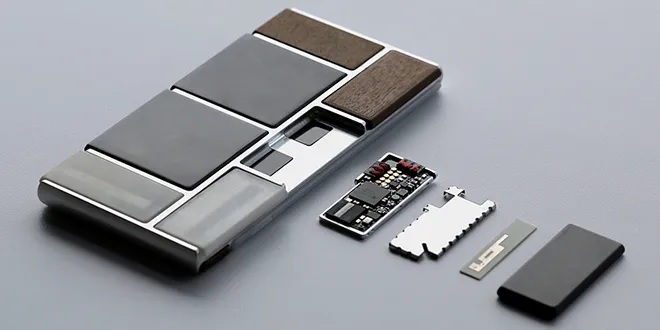
Modular smartphones sound like a tech dream, phones where you can swap parts as easily as changing batteries in a TV remote. In reality, the idea has struggled, but it hasn’t disappeared. Modular smartphones still represent the most repair friendly vision of mobile tech.
A modular design allows individual components like cameras, batteries, speakers, and ports to be replaced independently. This dramatically lowers repair costs and extends device lifespan. Instead of replacing an entire phone due to one failing part, users can upgrade only what matters.
The downside is performance and aesthetics. Modular phones are often thicker, heavier, and less powerful than mainstream flagships. They also lack the marketing push and ecosystem polish that big brands deliver. For many buyers, sleek design still wins over practicality.
Despite these challenges, modular smartphones play an important role. They pressure manufacturers to rethink how devices are assembled and remind consumers that long lasting phones are possible. Even partial modularity, like easier battery or screen access, can make a meaningful difference.
Most durable smartphones and what durability really means
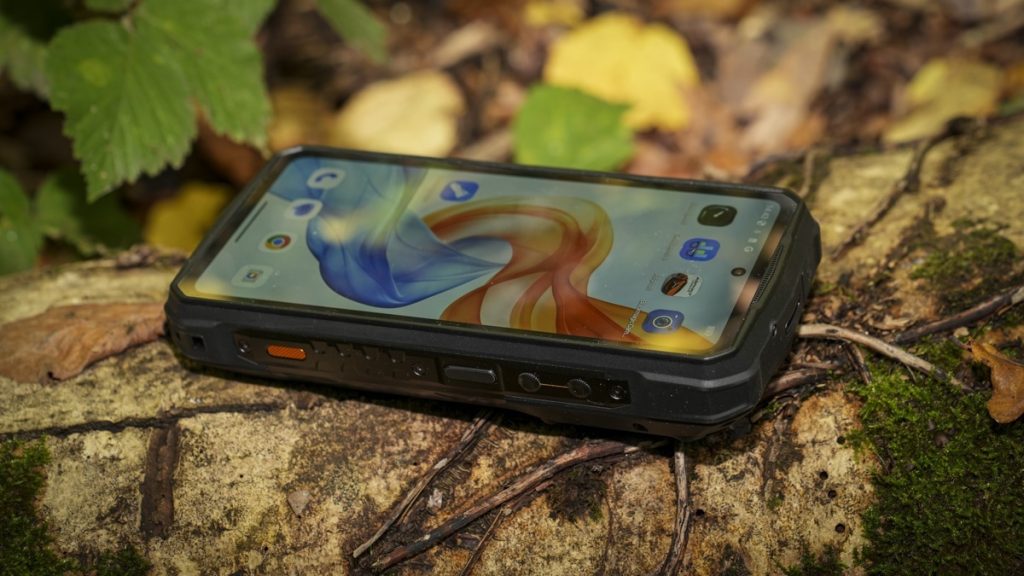
When people search for the most durable smartphones, they often imagine indestructible slabs that survive drops, water, and daily abuse without a scratch. In reality, durability is a mix of materials, design choices, and how well a phone holds up over time.
Durability usually comes from:
- Reinforced frames, often aluminum or titanium
- Stronger front glass with impact resistance
- Better water and dust sealing
- Internal layouts that reduce stress on components
Rugged phones push durability to extremes, but mainstream brands are quietly improving too. Stronger glass generations, better sealing, and tougher frames reduce how often repairs are needed. That directly impacts phone longevity, even if repairability scores are not perfect.
However, durability and repairability don’t always go hand in hand. A phone can survive drops but be difficult to open. Another might be easy to fix but fragile in daily use. The best long lasting phones balance both, reducing damage while making inevitable repairs less painful.
Durability isn’t about surviving extreme accidents, it’s about aging gracefully. Phones that resist wear and tear, keep performance stable, and avoid frequent repairs deliver the best long term value.
Phone longevity tips to extend your smartphone’s life
You don’t need a rugged phone or a modular design to get more years out of your device. Small habits make a big difference when it comes to long term usability and repair avoidance. These phone longevity tips focus on preventing the most common failures.
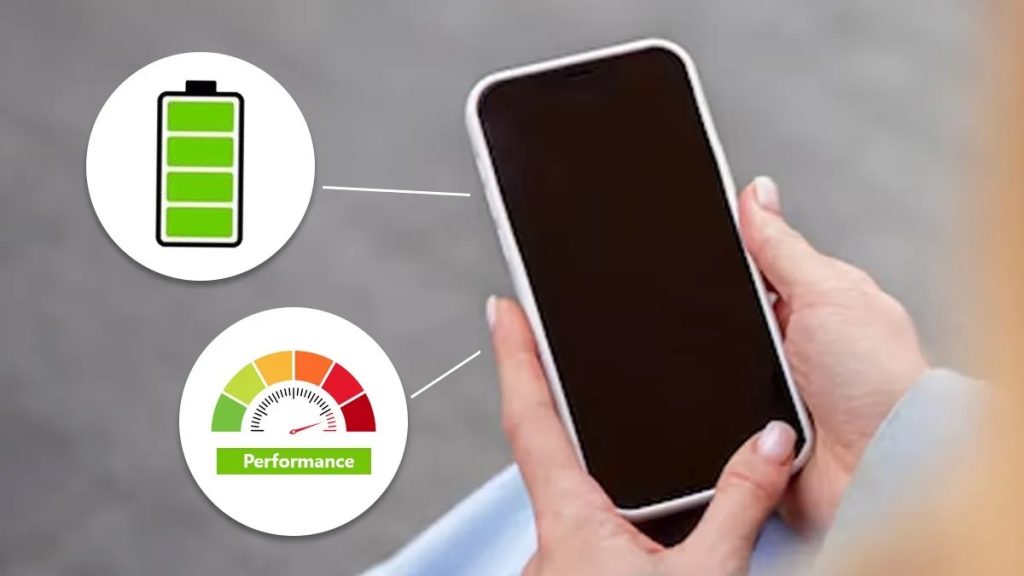
Start with battery care. Avoid letting your phone hit zero percent regularly, and don’t leave it plugged in overnight every day. Heat is the enemy of batteries, so keep phones out of hot cars and off heavy gaming sessions while charging.
Protect the screen and frame. A decent case and screen protector cost far less than a screen replacement. Even slim cases can reduce impact damage that leads to expensive repairs later.
Keep software clean and updated. Updates improve security and efficiency, while cluttered storage and unused apps slowly degrade performance. A phone that feels slow often pushes people to upgrade prematurely, even though the hardware is still capable.
Finally, fix small problems early. A loose charging port or cracked glass may seem harmless, but ignoring them can cause further damage. Early repairs are almost always cheaper and extend usable life significantly.
Long lasting phones vs frequent upgrades, what really saves money
The idea of upgrading every year sounds exciting, but it’s rarely the smartest financial move. Long lasting phones quietly save money by stretching the value of a single purchase across more years of use.
Frequent upgrades usually offer:
- Small performance bumps
- Incremental camera improvements
- Minor design refreshes
Long term ownership delivers:
- Lower annual cost of ownership
- Fewer data transfers and setup hassles
- Less e-waste and environmental impact
When repairability and durability are decent, keeping a phone for four to five years often costs less than upgrading twice in the same period. Even with a battery replacement or screen repair, the total spend is usually lower than buying new.
The real advantage comes when software support lasts long enough to justify repairs. Phones that receive updates for several years make repairs worthwhile, while short support cycles encourage unnecessary upgrades. In this sense, long lasting phones aren’t just about hardware, they’re about manufacturer commitment.
Final verdict on smartphone repairability vs upgrades
Smartphone repairability vs upgrades explained comes down to control. Repairs give you control over how long your phone lasts, while upgrades hand that control back to manufacturers and marketing cycles.
If your phone still performs well, receives updates, and only needs a screen or battery fix, repairing is usually the smarter move. It saves money, reduces waste, and stretches the value of hardware you already own. Repairability scores, durability, and realistic repair costs matter more than flashy upgrade features most people barely use.
Upgrading makes sense when performance no longer meets your needs, software support is ending, or repair costs approach replacement pricing. In those cases, holding on can feel like fighting the inevitable.
The smartest users don’t blindly repair or upgrade, they evaluate both. Choosing phones with better repairability, solid durability, and long support cycles gives you the freedom to decide later, rather than being forced into an upgrade you didn’t plan for.
FAQs: smartphone repairability vs upgrades explained
Is it cheaper to repair a phone or buy a new one?
In most cases, repairing is cheaper if the phone is under three years old and only needs a screen or battery replacement. Buying new usually makes sense when repair costs approach half the price of a replacement device.
Do repairability scores really matter when buying a phone?
Yes, smartphone repair scores offer insight into future costs. A phone that’s easier to repair is more likely to be worth fixing later, especially as batteries degrade or screens crack over time.
Are modular smartphones worth buying today?
Modular smartphones are great for longevity and repairability, but they often compromise on performance and design. They are ideal for users who prioritize sustainability over cutting edge specs.
How long should a smartphone realistically last?
With good care and occasional repairs, many modern phones can last four to five years. Battery replacements are usually the biggest factor in extending lifespan.
Does durability matter more than repairability?
Both matter, but durability helps prevent damage while repairability determines how painful fixes will be. The best long lasting phones strike a balance between the two.
