

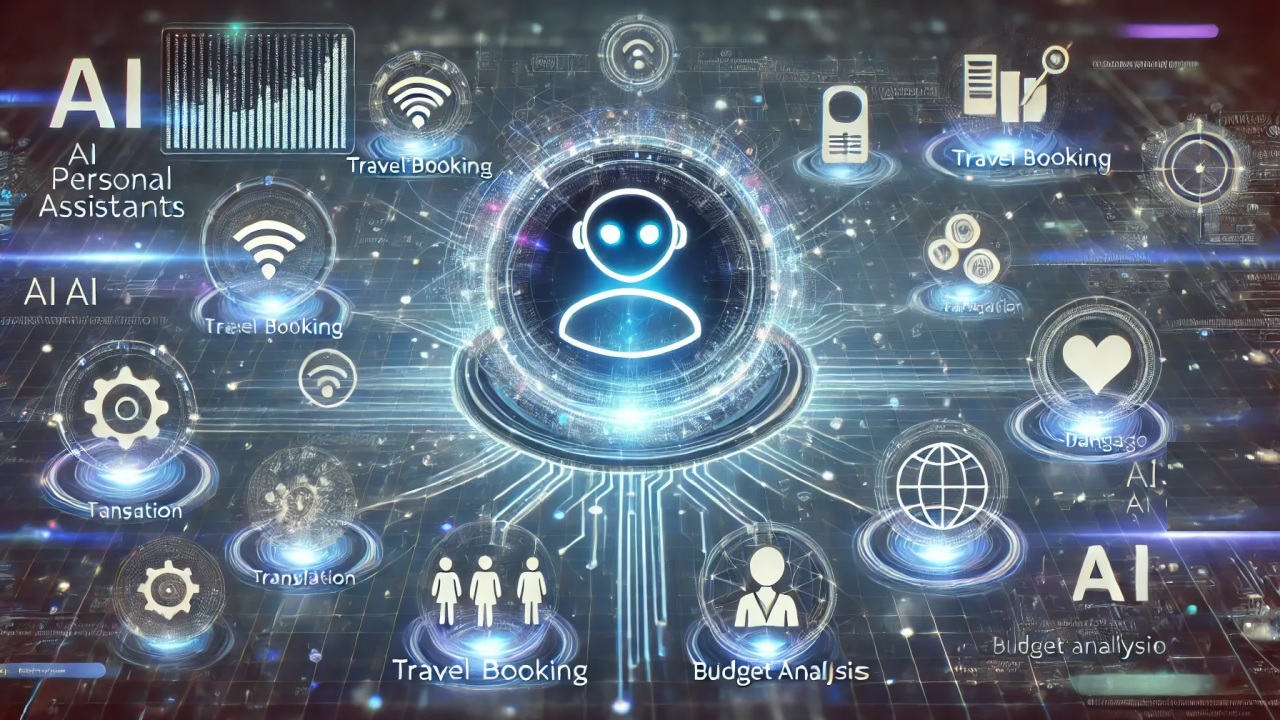
Not long ago, a personal AI assistant was little more than a polite digital helper that could set alarms, read the weather, and occasionally misunderstand even the simplest request. Useful, yes, but hardly life-changing. Today, that picture is shifting rapidly.
The future of personal AI assistants is about intelligence that understands context, adapts to habits, and works quietly in the background to make daily life smoother. Whether it is an AI assistant for productivity, a voice-driven helper in your car, or a multimodal AI assistant that understands text, images, and speech together, these tools are evolving from novelty features into essential companions.
What makes this shift exciting is not just better technology, but better alignment with how people actually live and work. Instead of forcing users to learn commands, the future AI personal assistant learns the user.
What exactly is a personal AI assistant today?
At its core, a personal AI assistant is software designed to help users interact with technology more efficiently. Most current assistants can handle tasks such as:
- Managing calendars and reminders
- Answering factual questions
- Sending messages or emails
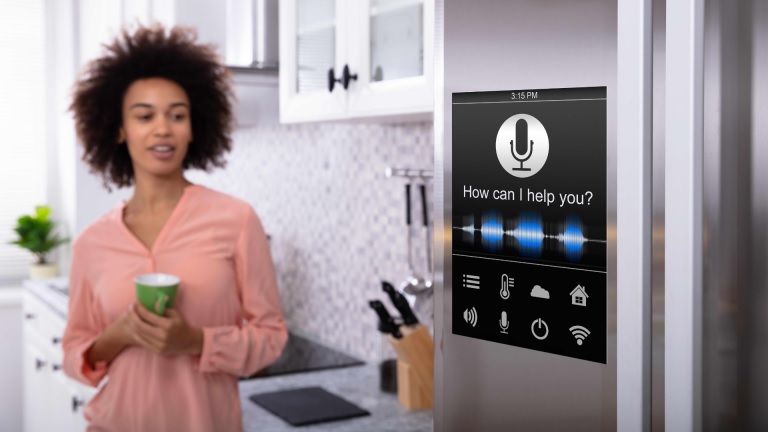
- Controlling smart home devices
- Integrating with third-party apps
Despite these capabilities, today’s assistants still rely heavily on explicit commands. They do what they are told, but rarely understand why.
The next generation AI assistants will close that gap by focusing on context, memory, and intent, making interactions feel far more natural.
From reactive tools to proactive digital partners
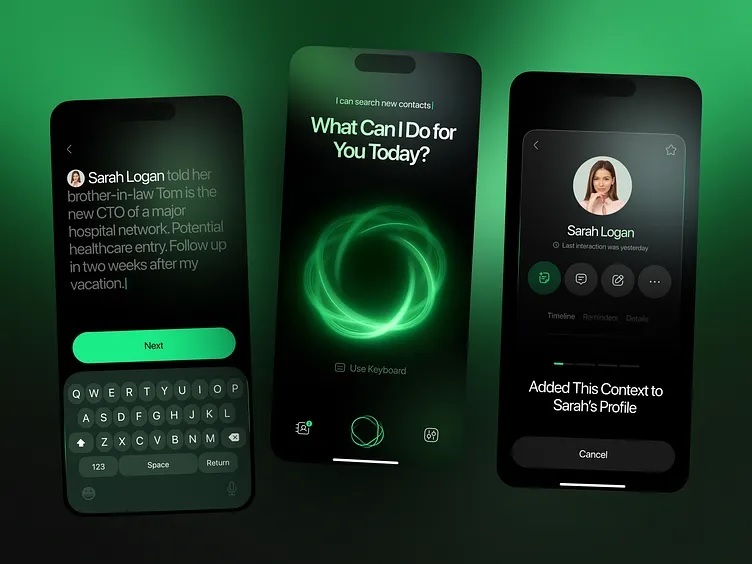
One of the most important shifts shaping the future of AI assistants is the move from reactive behavior to proactive support.
Instead of waiting for instructions, future assistants will anticipate needs. They might notice upcoming deadlines and suggest time blocks for focused work, or recognize patterns in your routine and adjust reminders automatically.
This proactive support depends on three key elements:
- Context awareness across apps and devices
- Pattern recognition over time
- User-controlled access to personal data
When done well, the assistant feels helpful rather than intrusive. It supports decisions without replacing them, acting more like a thoughtful partner than a bossy notification system.
Why multimodal AI assistants change the game
Human communication is not limited to one format, and neither should AI interaction be.
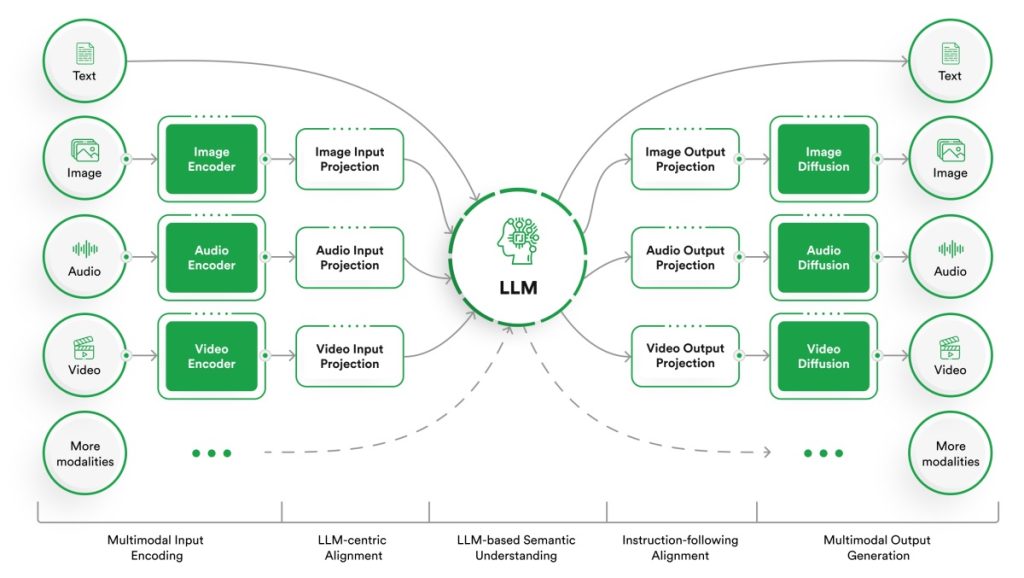
A multimodal AI assistant can process and combine multiple types of input, including:
- Voice commands
- Typed text
- Images and screenshots
- Visual data like charts or diagrams
This allows users to interact naturally. You can show the assistant a photo, explain something verbally, and refine the request with text, all in one seamless flow.
Multimodality is one of the defining features of next generation AI assistants, and it dramatically expands what they can help with.
The future of AI assistants and productivity
Productivity is where AI assistants are evolving the fastest.
An AI assistant for productivity will not just manage tasks, but actively help users plan, prioritize, and execute work. This includes:
- Automatically summarizing meetings and emails
- Drafting content in a consistent personal style
- Prioritizing tasks based on urgency and workload
- Reducing app-switching by acting as a central hub
Instead of being another tool to manage, the assistant becomes the manager of tools. For professionals, entrepreneurs, and remote workers, this shift can significantly reduce mental overhead and burnout.
Voice assistants are evolving, not disappearing
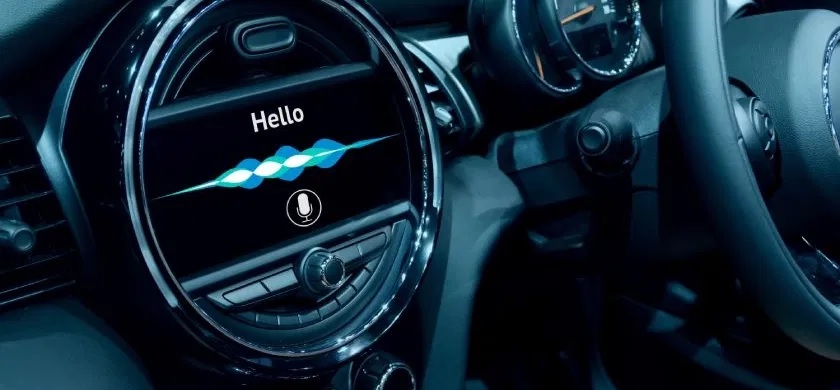
The future of voice assistants remains important, but voice is no longer the whole experience.
Voice excels at hands-free interactions, such as driving, cooking, or quick commands. However, it struggles with complex information and privacy-sensitive tasks.
Future systems blend voice with visual interfaces and contextual memory. You might start a task with voice, continue it on a screen, and finish it later with text. The assistant maintains continuity throughout.
Voice becomes one powerful input method among many, not the single point of interaction.
Personalization will define the best personal AI assistant
The best personal AI assistant of the future will not be the one with the longest feature list or the flashiest interface. It will be the one that feels genuinely tailored to the individual using it.
True personalization goes far beyond remembering a name or preferred language. Advanced assistants will learn how different users think, work, and make decisions. For professionals, this might mean prioritizing deep focus time and minimizing interruptions during peak productivity hours. For families, it could involve coordinating shared schedules, reminders, and routines without constant manual input. For students, personalization may focus on learning pace, preferred formats, and long-term academic goals.
Another defining factor will be memory. Short-term context helps with immediate tasks, but long-term memory allows the assistant to improve over time. It can remember past preferences, recurring challenges, and evolving priorities. This continuity transforms the assistant from a generic helper into a consistent digital partner.
Ultimately, personalization will matter more than raw power. An assistant that understands you well will always outperform one that simply does more.
AI assistant trends shaping the next decade
Several AI assistant trends are already shaping what the next ten years will look like, and together they point toward assistants that are calmer, smarter, and more autonomous.
Long-term memory and continuity
Future assistants will retain meaningful context across weeks, months, and even years. This reduces repetition and allows for deeper understanding of goals, habits, and preferences over time.
Emotional awareness and tone sensitivity
Assistants are becoming better at recognizing stress, urgency, and emotional cues. This allows them to adjust responses, whether that means being brief, supportive, or more detailed.
Autonomous task execution
Instead of requiring step-by-step commands, assistants will handle multi-stage tasks independently. Users define the goal, and the assistant manages the process.
Decision support, not decision replacement
One important shift is that assistants will help users evaluate options rather than choose for them. They will surface insights, risks, and trade-offs without removing human control.
AI coordinating with other AI systems
Future assistants will act as conductors, orchestrating multiple specialized AI tools behind the scenes. Users interact with one interface while complex processes happen invisibly in the background.
These trends move assistants from simple utilities into intelligent systems that manage complexity quietly and efficiently.
The future AI personal assistant and emotional intelligence
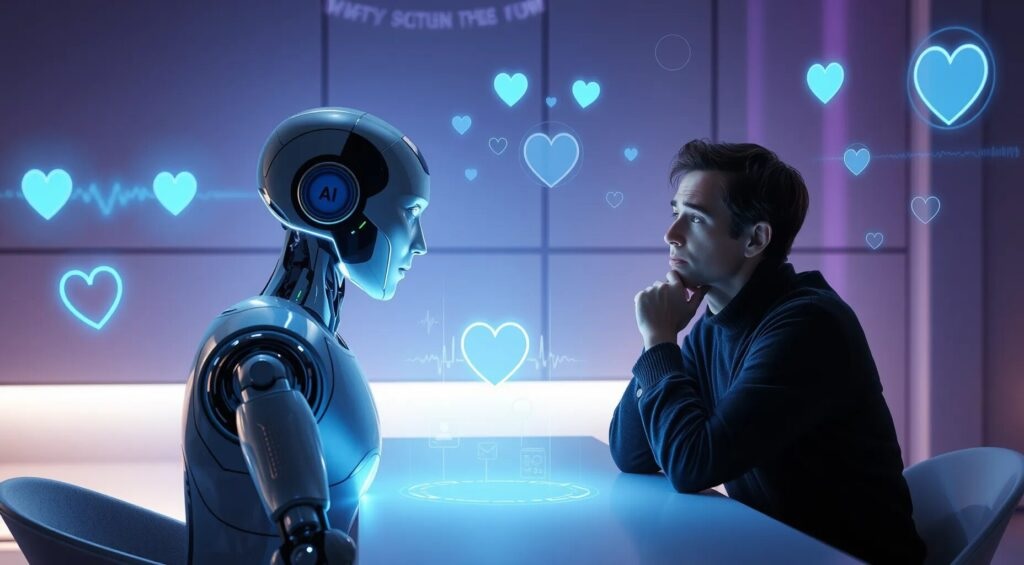
One of the most overlooked aspects of the future AI personal assistant is emotional intelligence.
Future assistants will not just understand what users say, but how they say it. Tone, pacing, and word choice provide clues about stress, confidence, or urgency. An emotionally aware assistant might simplify responses when a user sounds overwhelmed, or offer more detailed explanations when curiosity is detected.
This capability matters deeply for both productivity and daily life. In work settings, it can reduce friction and burnout by adjusting communication styles. In personal settings, it can provide support without being intrusive or artificial.
Emotional intelligence will not make AI human, but it will make interactions feel more respectful, intuitive, and aligned with real human needs.
AI assistants for students and learning
Education stands to benefit enormously from personal AI assistants.
For students, future assistants can act as adaptive tutors that help with:
- Breaking down difficult concepts
- Creating personalized study schedules
- Summarizing lectures and reading material
- Practicing with adaptive quizzes
Rather than replacing educators, these assistants support individualized learning, making education more accessible and efficient.
Healthcare and wellness in daily life
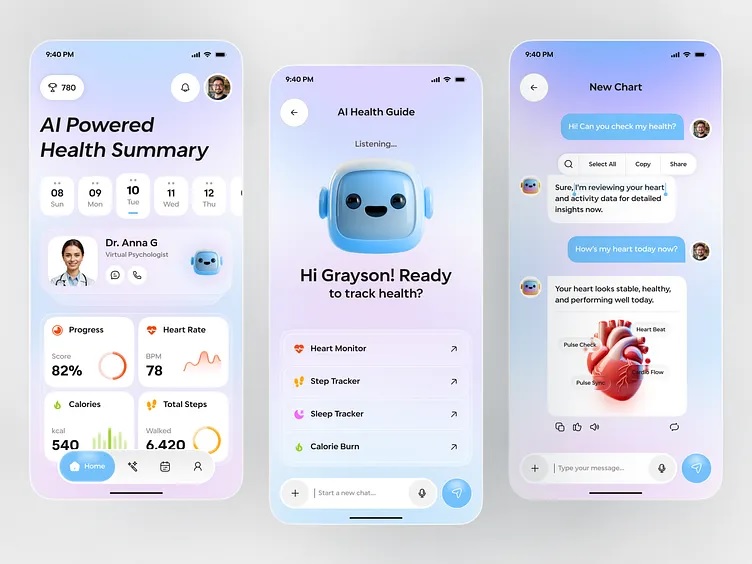
An AI assistant for daily life increasingly includes health and wellness support.
Future assistants may help users:
- Track symptoms and medications
- Encourage healthier routines
- Monitor sleep, activity, and stress patterns
- Suggest professional care when needed
These systems are not substitutes for medical professionals, but they can promote preventive care and reduce everyday cognitive load.
AI assistants for businesses and solo creators
For entrepreneurs and creators, time is the most limited resource.
Future AI assistants will support:
- Market research and analysis
- Content planning and scheduling
- Customer communication and follow-ups
- Financial reminders and forecasting
This makes the AI assistant for productivity a strategic advantage, not just a convenience.
Smarter homes powered by AI assistants
Smart homes are moving beyond manual automation and rigid, rule-based systems that require constant tweaking. Early smart home setups often depended on users defining schedules, triggers, and conditions, which worked in theory but quickly became frustrating in real life.
Future assistants will change this by learning patterns naturally instead of relying on preset rules. By observing daily routines, preferences, and environmental conditions, an AI assistant can make intelligent adjustments without repeated instructions. Lighting may gradually shift throughout the day to match natural rhythms, while temperature settings adapt based on occupancy, weather, and personal comfort levels.
Security is another area where AI assistants add real value. Instead of static alerts, assistants can recognize unusual behavior patterns and provide more meaningful notifications. This reduces false alarms while improving overall safety. Over time, the system becomes better at understanding what is normal for a household and what genuinely requires attention.
Energy efficiency will also improve significantly. AI assistants can optimize energy usage by balancing comfort with sustainability. They may lower heating or cooling when rooms are unoccupied, recommend energy-efficient settings, or coordinate with renewable energy sources where available. For households in high-energy-cost regions, this can translate into noticeable long-term savings.
Multi-user households benefit even more. Future assistants will recognize individual preferences and resolve conflicts intelligently, adjusting settings dynamically depending on who is home. This removes the need for constant manual changes and keeps shared spaces comfortable for everyone.
Ultimately, smarter homes powered by AI assistants feel less like technology and more like an environment that responds naturally to its occupants. The goal is not to add complexity, but to remove it, creating homes that are comfortable, efficient, and quietly supportive without constant configuration or oversight.
The role of personal AI assistants in smart cities and transportation
As personal AI assistants become more advanced, their role will extend beyond homes and workplaces into smart cities and transportation systems. This is where convenience, efficiency, and scale intersect in powerful ways.
In the future, a personal AI assistant could act as a real-time city companion. It may help users plan commutes by analyzing traffic patterns, public transport availability, weather conditions, and personal schedules all at once. Instead of checking multiple apps, users simply ask their assistant for the fastest or least stressful route, and it adapts instantly as conditions change.
Transportation is another area where next generation AI assistants will quietly improve daily life. Assistants could coordinate ride-sharing, parking availability, charging stations for electric vehicles, and even predictive maintenance alerts for personal cars. For frequent travelers, the assistant may handle ticketing, delays, gate changes, and alternative routes without constant user input.
On a broader level, smart city integration allows assistants to interact with infrastructure responsibly. This includes optimizing energy usage, reducing congestion, and improving accessibility for people with disabilities. While users experience this as convenience, cities benefit from reduced strain on systems and better resource allocation.
Importantly, this evolution does not require users to think about technology at all. The assistant becomes the interface between individuals and complex urban systems, translating massive amounts of data into simple, actionable guidance.
As cities continue to digitize, the future of AI assistants will be defined not only by personal productivity or home automation, but by how seamlessly they help people navigate the world around them. This marks a shift from isolated digital tools to assistants that operate at the intersection of personal life and public infrastructure.
Privacy, trust, and ethical design
As assistants become more capable, trust becomes critical.
The future of personal AI assistants depends on:
- Transparent data usage
- User-controlled permissions
- Clear explanations of decisions
- Easy ways to reset or limit learning
Assistants that respect privacy and autonomy will earn long-term loyalty.
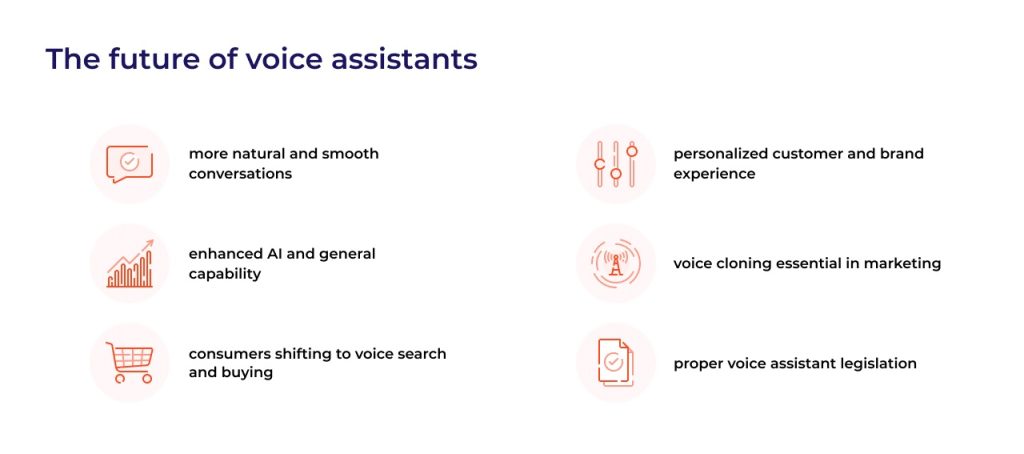
Why voice still matters in the future
Despite new interaction modes, voice remains essential.
The future of voice assistants includes:
- More natural conversations
- Better accent and dialect recognition
- Stronger context awareness
Voice continues to be the fastest way to interact when screens are unavailable.
Preparing for the future of AI assistants
Preparing for this future does not require technical expertise. It simply means becoming comfortable with delegating small tasks, understanding privacy settings, and viewing AI as a supportive partner.
The more intentionally users engage with these tools today, the more value they unlock tomorrow.
Final thoughts: a quieter, smarter digital future
The future of personal AI assistants is not loud or flashy. It is subtle, intelligent, and deeply integrated into everyday life.
From productivity and learning to wellness and home management, these systems are evolving into tools that reduce friction rather than demand attention. The most successful assistants will be those that feel invisible when everything is working well.
When technology fades into the background and life feels easier, that is when personal AI assistants will have truly reached their potential.
Frequently asked questions
What is a personal AI assistant?
It is software designed to help users manage tasks, answer questions, and interact with digital systems using voice, text, or other inputs.
How will AI assistants improve productivity?
They automate routine work, prioritize tasks intelligently, and integrate multiple tools into one interface.
What does multimodal AI mean?
It refers to AI systems that can understand and combine text, voice, images, and visual data.
Are AI assistants safe for personal data?
Safety depends on design, transparency, and user control. Responsible systems prioritize privacy and permissions.
Will AI assistants replace human decision-making?
No. They are designed to support decisions and reduce friction, not replace human judgment.
