

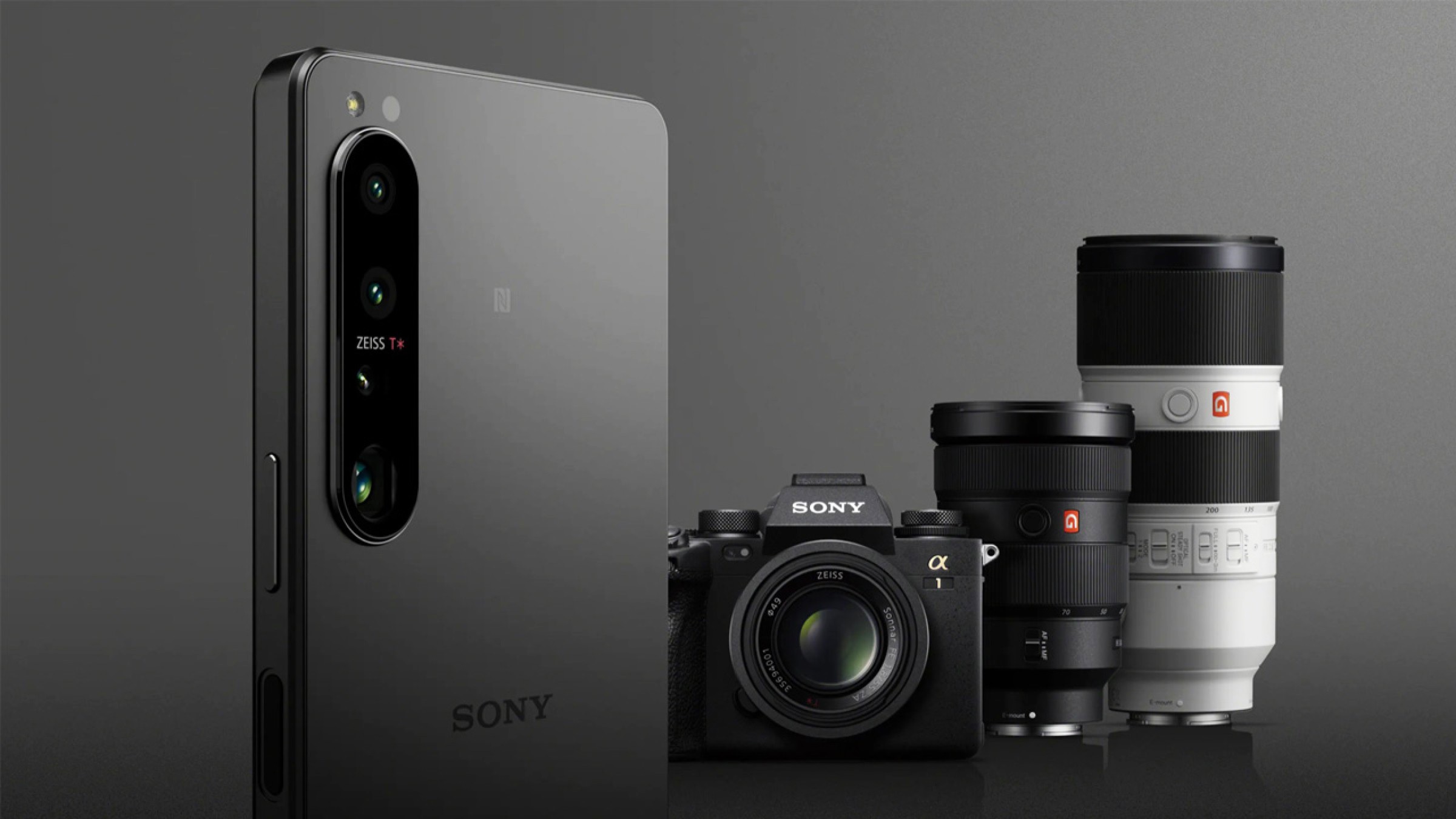
The DSLR question everyone keeps asking
Not long ago, asking whether a phone could replace a DSLR would get you laughed out of any photography forum. Fast forward to 2026, and that same question is being asked seriously by professionals, content creators, and everyday users who just want amazing photos without carrying a camera bag the size of a small suitcase.
Today’s smartphone camera comparison conversations are no longer about convenience alone. They are about image quality, low light performance, computational photography, and whether the best mobile camera for photography can genuinely match what dedicated cameras offer. From pixel-level processing to AI-driven magic happening behind the scenes, phones are playing a very different game than they were five years ago.
This article breaks down the DSLR vs smartphone camera debate in a practical, no-hype way. We will compare real world results, explore iPhone vs Android camera differences, and answer the big question: is there a true DSLR replacement smartphone in 2026, or is the DSLR still safe on its throne?
How smartphone cameras reached DSLR territory
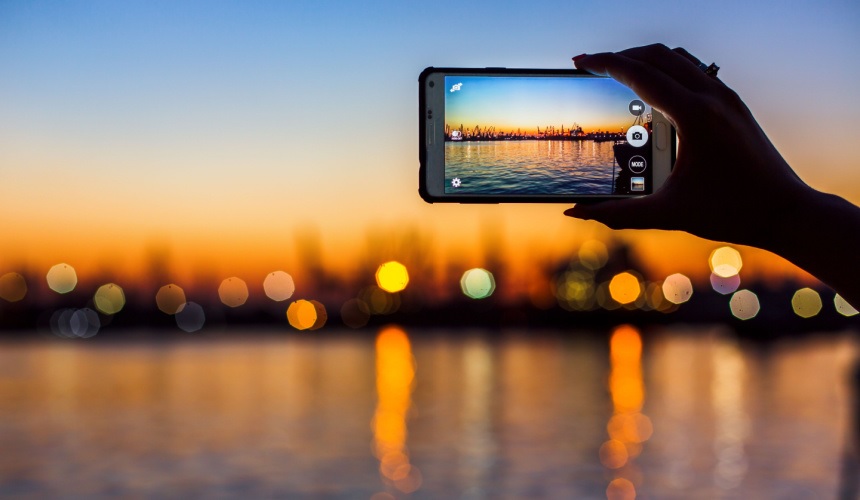
Smartphones did not beat DSLRs by copying them. They beat them by changing the rules.
Instead of relying on massive sensors and interchangeable lenses, phone makers leaned heavily into software. Computational photography now does much of the heavy lifting, stacking multiple frames, correcting exposure, enhancing detail, and reducing noise in ways a traditional camera simply does not attempt automatically.
Companies like Apple and Google have invested billions into camera pipelines that analyze scenes in real time. Your phone is not just taking a picture; it is making dozens of decisions before you even tap the shutter.
Here is what changed the game:
- Multi-frame image stacking replaced single-shot photography
- AI-based HDR became smarter and more natural
- Night modes turned darkness into usable light
- Portrait modes began simulating real depth of field
- Video stabilisation reached gimbal-like levels
This is why the best camera phone 2026 contenders can often outperform older DSLRs in everyday situations, especially when shooting casually or in difficult lighting. A smartphone low light camera today can pull details from shadows that once required a tripod and manual settings.
At the same time, DSLRs have not stood still. Larger sensors still offer cleaner files, more dynamic range, and better control for professionals. The difference is that smartphones are now good enough that many people never feel the limitation.
DSLR vs smartphone camera: sensor size vs smart software
This is where the DSLR vs smartphone camera debate gets genuinely interesting, because both sides are winning in very different ways.
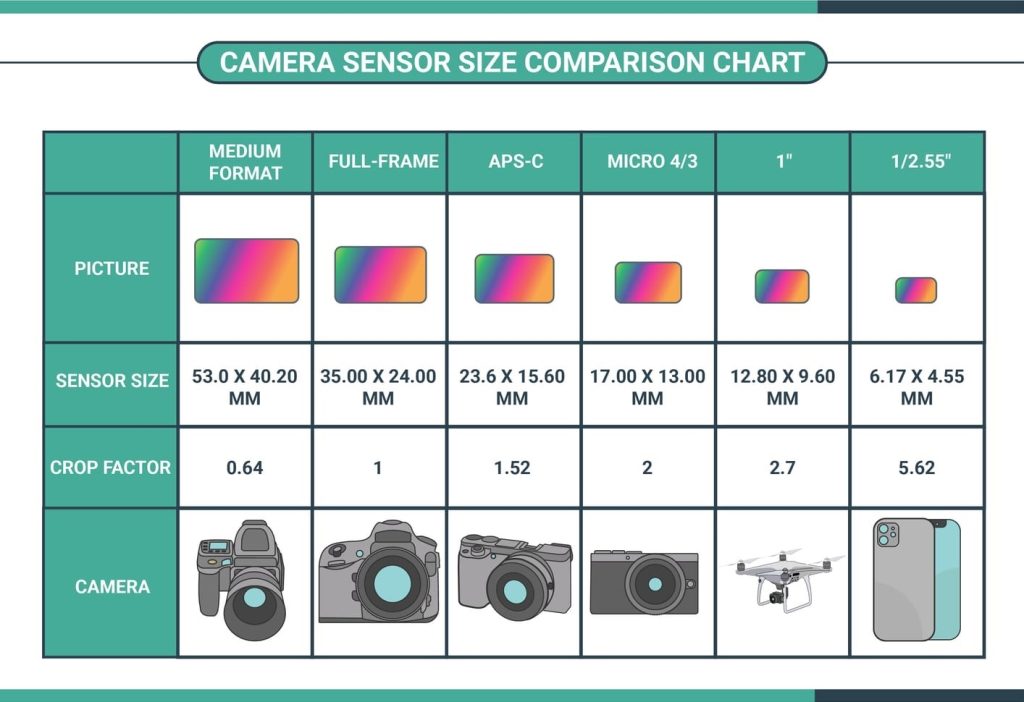
On paper, DSLRs still dominate. A full-frame DSLR sensor is physically much larger than anything you will find in a phone. Bigger sensors capture more light, preserve more detail, and produce natural background blur without software tricks. This is why brands like Canon and Nikon remain industry standards for professional photography.
Smartphones, however, fight back with intelligence instead of size.
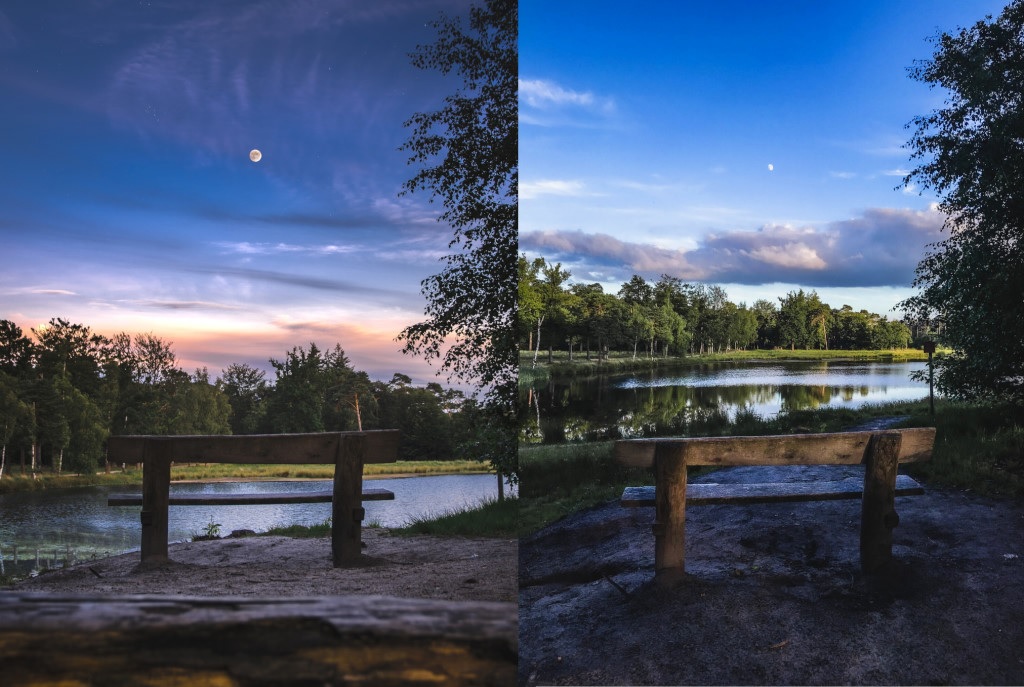
Rather than relying on one perfect shot, a modern phone captures multiple frames at different exposures and merges them instantly. What you see is often the result of 10 to 20 images blended together. This approach allows phones to overcome their smaller sensors and punch far above their weight.
Here is how the two approaches really compare in everyday use:
- Sensor size: DSLRs capture more raw data in a single shot, which matters for editing flexibility
- Software processing: smartphones correct mistakes automatically before you even notice them
- Ease of use: phones deliver consistent results without manual adjustments
- Portability: a phone is always in your pocket, a DSLR usually is not
- Speed: smartphones are faster for sharing, editing, and posting
In controlled lighting, a DSLR still produces files with superior depth and dynamic range. But in real life, with mixed lighting, moving subjects, or low light scenes, smartphones often deliver better looking images straight out of the camera.
This is why many photographers quietly admit that for travel, street photography, and social content, their phone gets used more than their dedicated camera. A DSLR replacement smartphone does not need to beat a DSLR in every technical metric. It just needs to be good enough often enough.
Which phone has the best camera in 2026?
If you search for which phone has the best camera, you will quickly discover there is no single winner for everyone. The answer depends on what you shoot, how much control you want, and whether you value realism or dramatic, ready-to-share images.
That said, a few devices clearly dominate every serious smartphone camera comparison in 2026.
iPhone: consistency and video king
The latest iPhone continues to be the safest all-rounder. Apple focuses heavily on colour accuracy, reliable exposure, and industry-leading video quality. Photos tend to look natural, skin tones are realistic, and autofocus is almost flawless.
Where the iPhone really shines is video. Stabilisation, cinematic modes, and audio capture make it the go-to choice for creators who want professional-looking footage without extra gear. This is why the iPhone vs Android camera debate often ends with one clear point: if video matters most, iPhone still leads.
However, some photographers find iPhone photos slightly conservative. If you enjoy dramatic contrast or bold colours straight out of the camera, you may want to look elsewhere.
Pixel: computational photography champion
Google’s Pixel line has built its reputation almost entirely on software. The Pixel vs iPhone camera debate often comes down to processing style. Pixels tend to produce sharper images with stronger HDR and excellent low light performance.
For still photography, especially portraits and night scenes, Pixel phones are frequently considered the best mobile camera for photography. The smartphone low light camera performance is outstanding, often revealing details your eyes could barely see.
The downside is video. While much improved, Pixel video still trails behind Apple in stabilisation and colour consistency.
Android flagships: hardware powerhouses
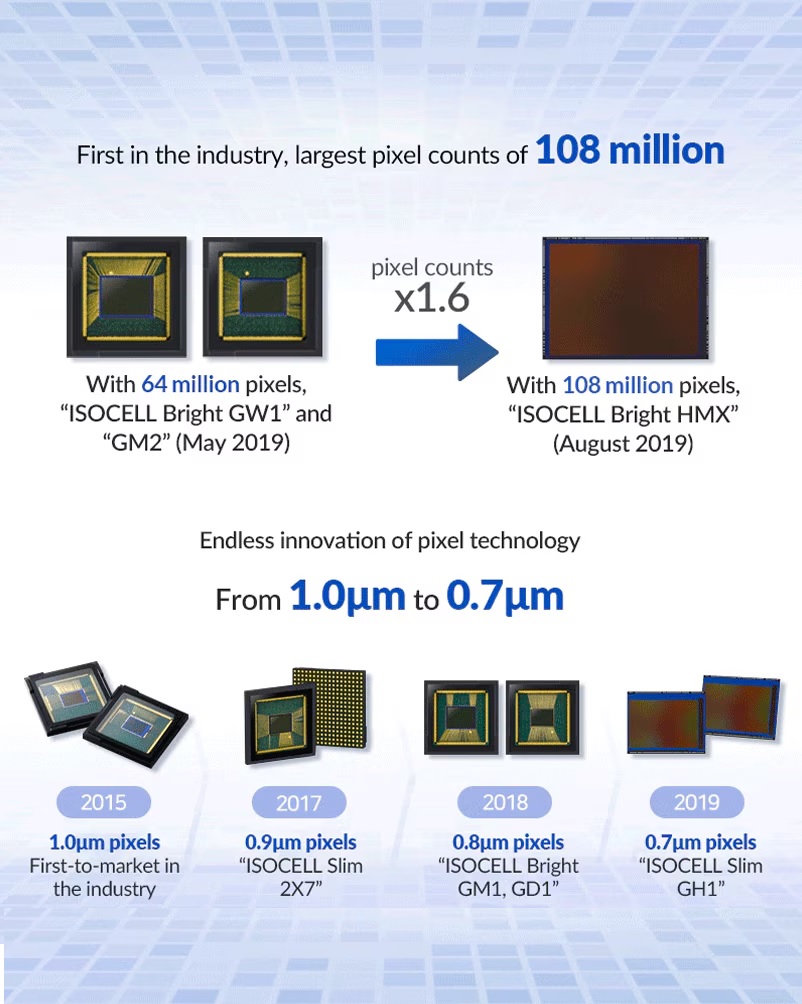
High-end Android phones from manufacturers like Samsung and Xiaomi push hardware boundaries aggressively. Larger sensors, high megapixel counts, and periscope zoom lenses give these phones serious versatility.
These devices excel at zoom photography and detailed landscape shots. They are often the most exciting options for enthusiasts who want manual controls and flexibility.
The trade-off is processing consistency. Results can vary depending on lighting and camera mode, and colours are sometimes more stylised than accurate.
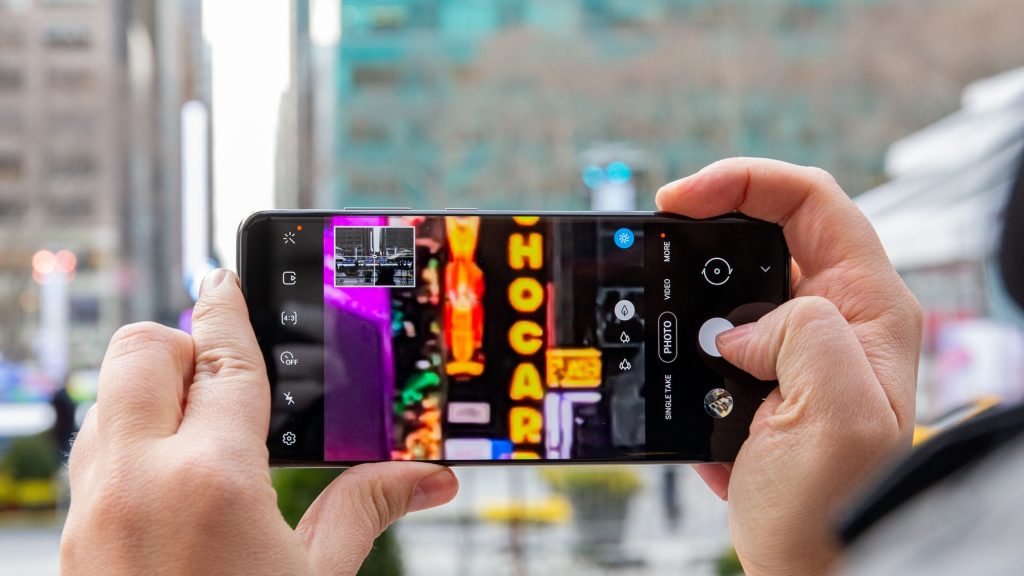
In 2026, the best camera phone is less about absolute quality and more about shooting style. Some phones prioritise realism, others aim for eye-catching results, and a few try to balance both.

iPhone vs Android camera: which one actually suits your photography style?
The iPhone vs Android camera debate has been going on for so long that it almost feels like a sport. But in 2026, the difference is no longer about which one is better. It is about which one matches how you shoot.
Both platforms can deliver stunning images. The experience, however, feels very different.
When iPhone makes more sense
iPhones are built for people who want reliable results without thinking too much. You open the camera, tap the shutter, and trust the phone to make smart decisions for you.
iPhone cameras tend to prioritise:
- Natural colours and balanced exposure
- Accurate skin tones
- Excellent autofocus for moving subjects
- Industry-leading video quality
If you shoot a lot of family photos, social media content, or video, iPhone cameras feel almost effortless. The results are consistent, and that consistency is something photographers often underestimate until it is missing.
When Android takes the lead
Android camera experiences vary depending on the manufacturer, but they usually offer more control. Manual modes, advanced zoom options, and experimental features are common.
Android phones often appeal to:
- Users who enjoy tweaking settings
- Landscape and travel photographers
- Zoom-heavy shooting, especially wildlife or sports
- People who prefer punchier images straight out of the camera
This is where top camera smartphones from Android manufacturers shine. Larger sensors, aggressive HDR, and strong sharpening can produce images that look spectacular on screens, even if they are not always perfectly natural.
The real-world takeaway
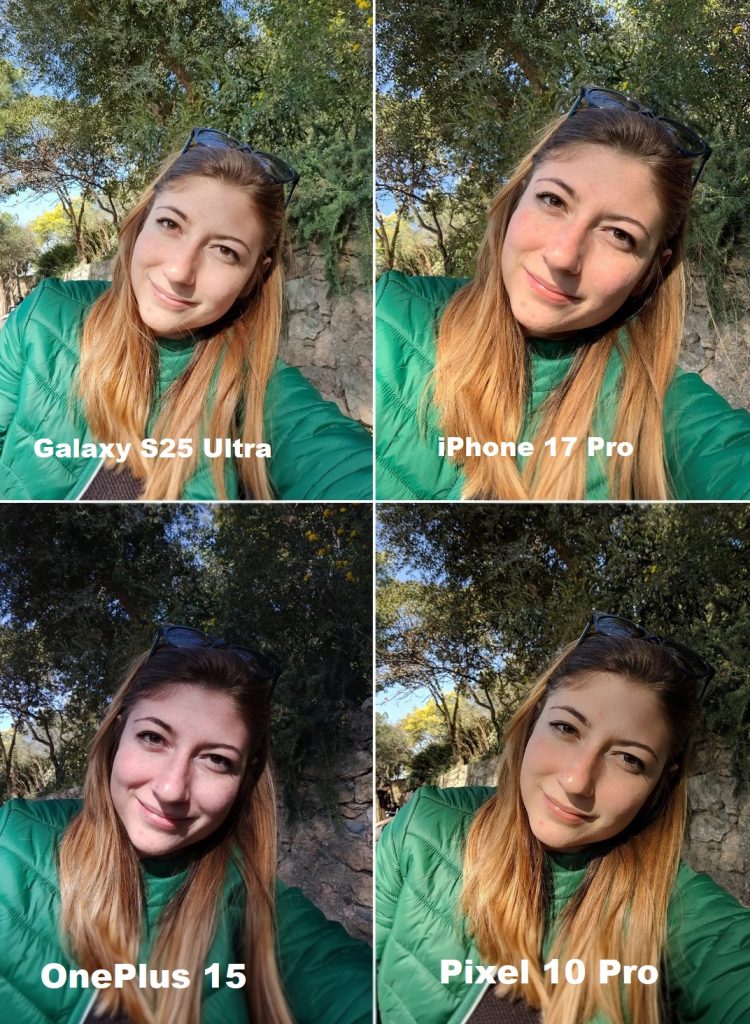
In blind tests, many people struggle to tell which photo came from which phone. The gap has narrowed dramatically. For most users, the choice between iPhone and Android comes down to workflow and personal taste rather than pure camera quality.
This is also why many photographers now carry only a phone for casual shoots. The camera is no longer the weak link.
Can a smartphone truly replace a DSLR?
This is the moment where theory meets reality.
The idea of a DSLR replacement smartphone sounds bold, maybe even unrealistic, until you look at how most people actually take photos in 2026. The answer is not a simple yes or no. It depends entirely on how and why you shoot.
Where smartphones genuinely replace a DSLR
For everyday photography, smartphones have already crossed the replacement line.
Travel photography is a perfect example. A phone handles landscapes, food, portraits, and night scenes without switching lenses or adjusting settings. Street photography is another area where phones shine. They are discreet, fast, and less intimidating to subjects.
Smartphones are also excellent for:
- Social media content creation
- Family and lifestyle photography
- Low light casual shooting
- Video for YouTube, TikTok, and Instagram
In these scenarios, carrying a DSLR often feels unnecessary. The convenience of a phone means you actually take more photos, which matters more than having the theoretically best camera sitting at home.
Where DSLRs still dominate
There are still situations where a smartphone simply cannot compete.
- Professional sports photography requires fast continuous autofocus and high burst rates that smartphones still struggle to match
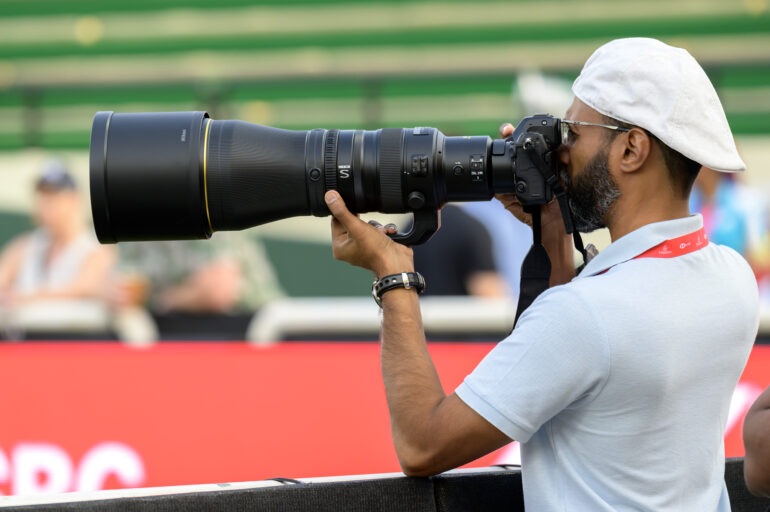
- Wildlife photography depends on long telephoto lenses and precise subject tracking, where DSLRs maintain a strong advantage
- Studio photography benefits from true optical depth of field that smartphones cannot fully replicate
- DSLR image files offer greater editing flexibility, allowing deeper colour grading and exposure adjustments without quality loss
- If photography is a core part of your professional work rather than a casual hobby, a dedicated camera continues to make more sense
The honest conclusion
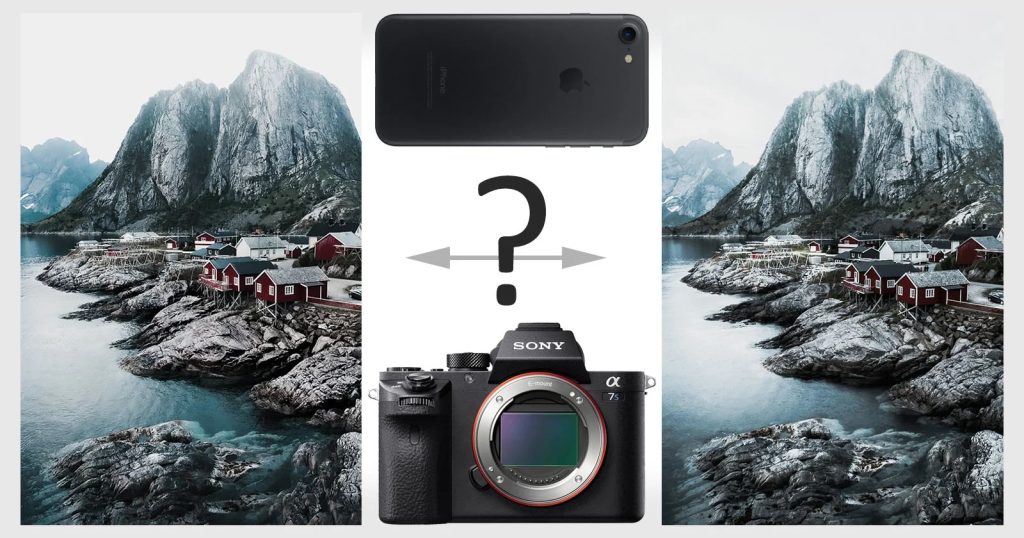
For most people, the smartphone has already replaced the DSLR. For professionals and serious enthusiasts, the DSLR remains irreplaceable in specific use cases.
The key takeaway is this: the best camera is the one you actually use. In 2026, that camera is increasingly a smartphone.
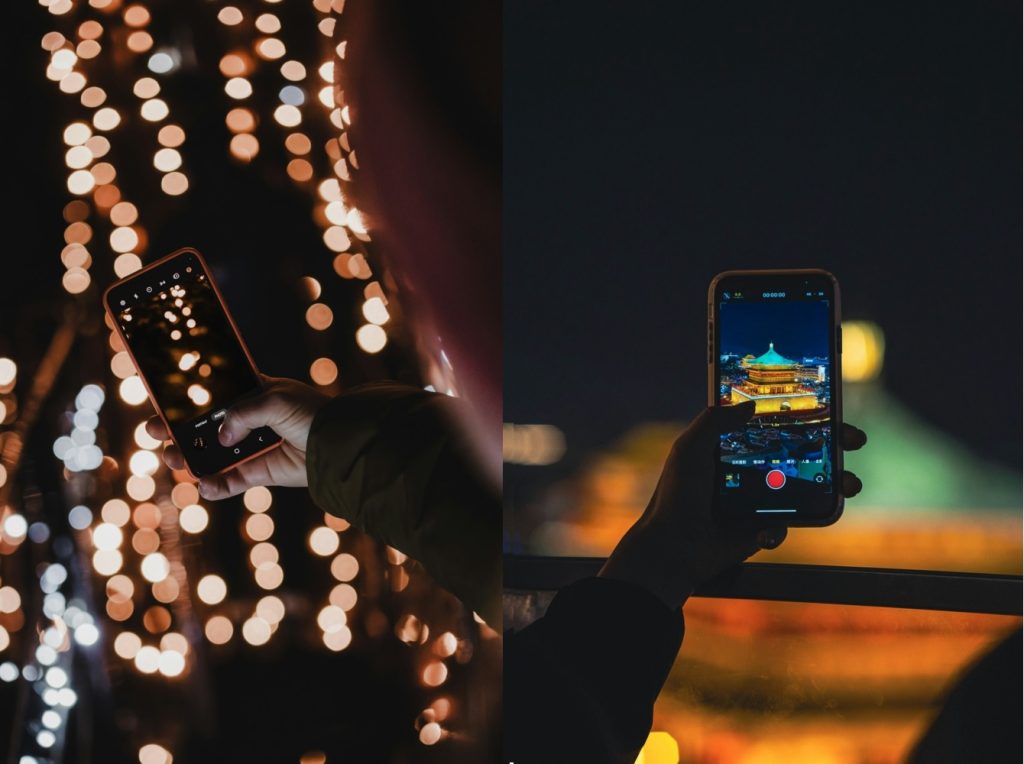
Smartphone low light camera performance: who wins after dark?
Low light photography used to be the final boss fight for smartphones. Grainy photos, blurry subjects, and blown-out highlights were almost guaranteed once the sun went down. In 2026, that problem looks very different.
Modern phones are surprisingly confident after dark, and in some cases, they outperform entry-level DSLRs used without proper settings.
Why smartphones perform so well in low light
Smartphones cheat, and they cheat brilliantly.
Instead of capturing a single long exposure, phones take multiple short exposures and combine them. This reduces blur, controls noise, and pulls detail out of shadows. AI then cleans up the image, balances colours, and sharpens edges.
This is why a smartphone low light camera can produce usable photos in near darkness while keeping handheld shots sharp.
Key advantages smartphones have at night:
- Multi-frame night modes reduce noise
- AI stabilisation allows longer exposures without blur
- Automatic white balance adapts to mixed lighting
- Scene detection prevents blown highlights
Google’s Pixel devices, in particular, are famous for their night photography, while Apple focuses on realistic colours and controlled noise. High-end Android phones add large sensors and fast lenses into the mix, pushing night performance even further.
Where DSLRs still hold an edge
Despite all the progress, DSLRs are not out of the race.
With a fast lens and proper technique, a DSLR can still capture cleaner images with more natural detail. The difference is effort. You need to understand ISO, shutter speed, and aperture. Smartphones deliver good results with almost no learning curve.
For casual night photography, phones often win because they remove complexity. For professional night work, DSLRs remain superior when used correctly.
Top camera smartphones in 2026 you should actually consider
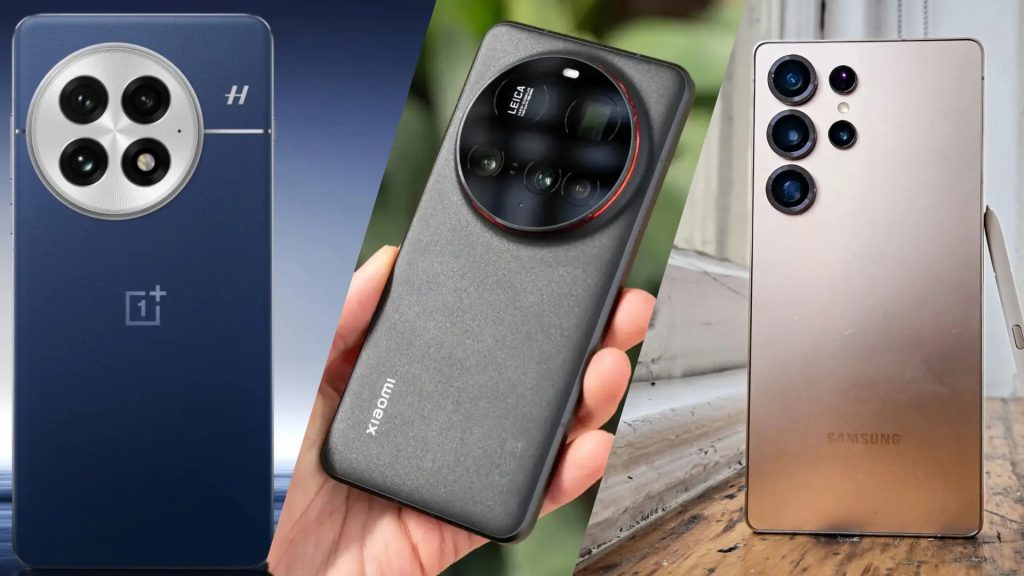
The camera phone market in 2026 is crowded, but only a handful of devices truly earn their place in any serious smartphone camera comparison. These phones are not just good for social media. They are capable tools that many photographers now rely on daily.
iPhone Pro series
Apple’s Pro models remain the most balanced option. Photo quality is consistent, video is class-leading, and the camera app is polished to near perfection. If you want reliable results in almost any situation, the iPhone Pro series continues to set the standard.
Best for:
- Video creators
- Consistent photography across lighting conditions
- Users who want minimal editing
Google Pixel flagship
Pixel phones focus on still photography above all else. Portraits, night shots, and HDR-heavy scenes are handled exceptionally well. For many photographers, Pixel remains the best mobile camera for photography when it comes to pure image quality.
Best for:
- Low light photography
- Portraits with natural skin tones
- Point-and-shoot photography lovers
Samsung Galaxy Ultra
Samsung’s Ultra models push hardware limits. Massive sensors, extreme zoom capabilities, and advanced manual modes make these phones incredibly versatile. They are ideal for users who enjoy experimenting with different shooting styles.
Best for:
- Zoom photography
- Landscapes and travel
- Manual control enthusiasts
Other Android contenders
Brands like Xiaomi and Oppo continue to innovate aggressively. These phones often feature cutting-edge sensors and impressive hardware but may require more tweaking to get consistent results.
Best for:
- Photography enthusiasts
- Users who enjoy custom camera apps
- People who want the latest camera tech first
Future of smartphone cameras vs DSLRs: AI, sensors, and software
If the last five years taught us anything, it is that smartphone cameras evolve faster than anyone expects. The next phase of the DSLR vs smartphone camera story will not be about megapixels alone. It will be driven by smarter AI, improved sensor design, and deeper software integration.
AI becomes the real camera
In 2026, AI is no longer just enhancing photos after you take them. It is actively predicting what you want before you press the shutter.
Phones now analyse motion, lighting, subject type, and even your past shooting habits. The camera app adapts in real time, choosing the best lens, exposure, and processing profile automatically. This makes smartphones incredibly reliable for spontaneous photography.
Expect future camera phones to:
- Separate subjects and backgrounds with near-perfect accuracy
- Apply selective enhancements without overprocessing
- Improve autofocus tracking for people and pets
- Deliver DSLR-like results without manual input
This is where smartphones continue to pull away from traditional cameras. DSLRs still rely heavily on user skill, while phones prioritise intelligent automation.
Sensor improvements without massive size increases
Smartphone sensors are getting larger, but more importantly, they are getting smarter. New stacked sensor designs improve light capture and readout speed without making phones bulky. Combined with faster lenses, this closes the physical gap between phones and entry-level DSLRs.
While full-frame sensors remain out of reach for phones, the difference matters less when software compensates effectively.
Software-first photography is the future
The biggest shift is philosophical. Smartphones treat photography as a computational problem, not a purely optical one. DSLRs still focus on optics first.
For most users, this means future top camera smartphones will continue to deliver better results more often, even if DSLRs remain technically superior in controlled environments.
Final verdict: which phone actually replaces a DSLR?
So, which phone truly earns the title of DSLR replacement smartphone in 2026?
The honest answer is that no phone replaces every DSLR for every person. But several phones replace the DSLR experience for most people most of the time.
If your priority is video, consistency, and ease of use, the iPhone Pro series comes closest to replacing a DSLR entirely. It delivers reliable photos, outstanding video, and a workflow that fits modern content creation.
If your focus is still photography and low light, Pixel phones remain incredibly convincing. For everyday photography, portraits, and night shots, they often outperform expectations and remove the need for a dedicated camera.
If you want hardware versatility and zoom, high-end Android flagships like Samsung’s Ultra series feel the most like carrying multiple lenses in your pocket.
The real replacement is not one phone. It is the category itself. The best camera phone 2026 lineup proves that for travel, social content, family photography, and even semi-professional work, smartphones have already replaced DSLRs for millions of users.
DSLRs are no longer the default. They are now the specialist tool.
FAQ
Which phone has the best camera overall in 2026?
There is no single winner, but flagship iPhones, Pixel phones, and premium Android models consistently lead smartphone camera comparison rankings depending on photography style and use case.
Can a smartphone fully replace a DSLR?
For most everyday photography and video, yes. For professional sports, wildlife, and studio work, DSLRs still offer advantages.
Is iPhone or Android better for photography?
iPhones excel in video and consistency, while Android phones often offer more flexibility, stronger zoom, and bolder image processing.
Which phone is best for low light photography?
Pixel phones and high-end Android flagships are particularly strong in low light, using advanced night modes and AI processing.
Should beginners buy a camera phone or a DSLR?
Most beginners are better off with a top camera smartphone. It delivers great results without the learning curve and fits modern sharing habits perfectly.
